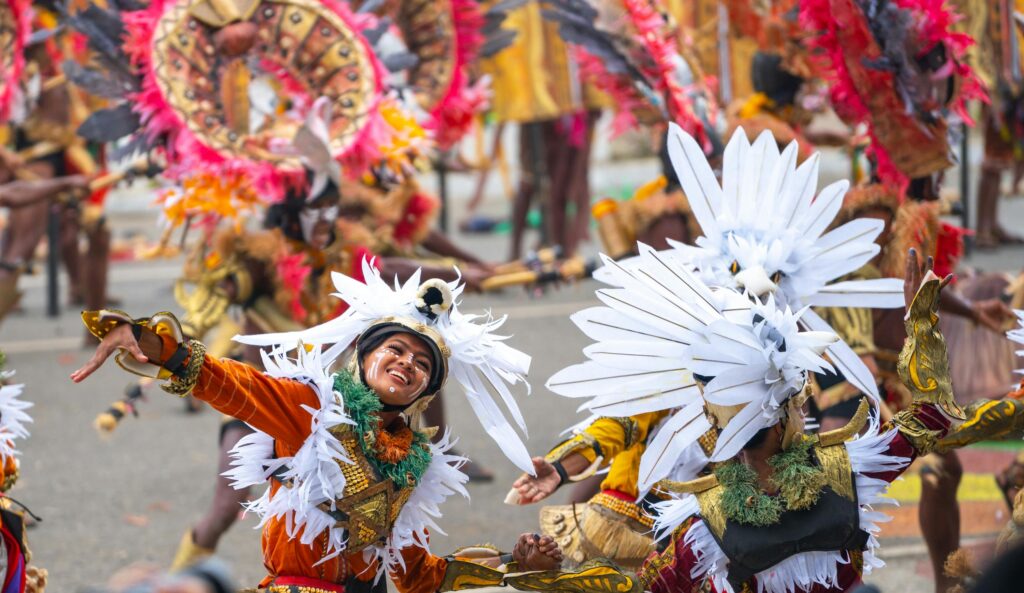
TRINIDAD AND TOBAGO – THE HOME OF CARNIVAL
Trinidad and Tobago is internationally recognized as the birthplace of modern Carnival. The islands are where this cultural celebration took on its most expressive form, combining music, costume, storytelling, and movement into a festival unlike any other in the world. For travelers, Carnival here is not just something to watch. It is something to participate in, to feel, and to remember.
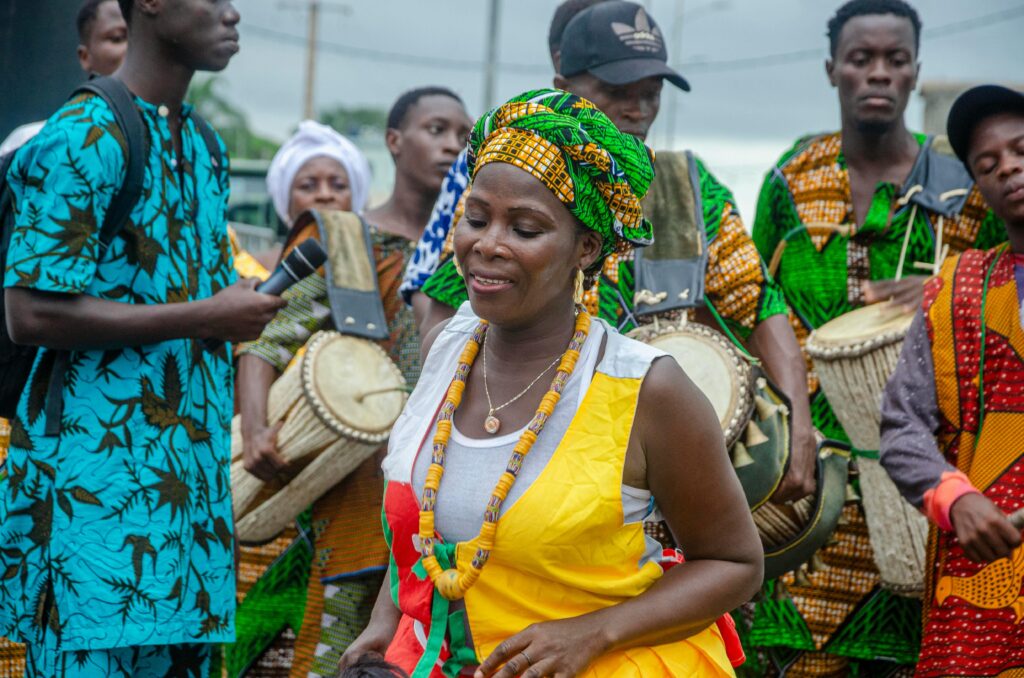
Carnival in Trinidad and Tobago reflects the nation’s diverse heritage, blending African, European, and Caribbean influences into a living tradition that continues to evolve. Every element of the celebration, from steelpan music to masquerade artistry, is deeply rooted in local history while remaining globally influential. This is why Trinidad Carnival is often described as the blueprint for Carnivals around the world.
The official tourism authority of Trinidad and Tobago recognizes Carnival as the country’s most iconic cultural experience. It represents creativity, freedom, community, and national pride, making it a meaningful travel experience for visitors seeking more than just a party atmosphere.
Carnival 2026
Trinidad and Tobago Carnival 2026 will take place on Monday February 16 and Tuesday February 17, 2026. These two days form the heart of the celebration, when the largest parades, masquerade performances, and street festivities unfold across Port of Spain.
While Carnival Monday and Tuesday are the most well known dates, the full Carnival season extends for several weeks beforehand. During this time, the islands host cultural competitions, live music events, costume launches, and steelpan performances that gradually build toward the grand finale.
For travelers, planning a Carnival trip often means experiencing not only the parade days but also the weeks of creative preparation that give the festival its depth and meaning.
The History of Carnival
The origins of Trinidad and Tobago Carnival stretch back more than two centuries. Its foundations were shaped by European masquerade traditions introduced during the colonial period, alongside African forms of music, dance, and storytelling brought by enslaved communities.
Over time, Carnival became a form of expression, resilience, and identity. As restrictions on enslaved populations eased, public celebrations grew in scale and meaning. Music, satire, costume, and performance became powerful tools for storytelling and cultural preservation.
This transformation gave birth to uniquely Trinidadian art forms such as calypso, soca, and steelpan music. These musical styles now serve as the soundtrack of Carnival and are central to its atmosphere. What began as small street celebrations evolved into a globally respected cultural event that continues to influence festivals worldwide.
Dates & Locations
Carnival celebrations take place primarily in Port of Spain, the capital city of Trinidad. The most active areas during the festival include Queen’s Park Savannah, Woodbrook, and surrounding city streets that become the main parade routes.
The 2026 Carnival season will see events spread across late January and early February, with the most intense activity occurring during the week leading up to Carnival Monday and Tuesday.
Key dates for 2026 include
February 11 – February 18, 2026 – Pre-Carnival sesh, fetes, and major events start
February 16, 2026 – Carnival Monday & J’ouvert
February 17, 2026 – Carnival Tuesday (Main Costumed Parade)
Many pre Carnival events take place in the evenings and weekends prior, allowing visitors to explore multiple facets of the celebration while enjoying the island at a relaxed pace.
Events During Trinidad And Tobago Carnival
Carnival is more than two parade days – it is a festival season with events that span over a week or more. Here’s a comprehensive list of key events typically held during the Carnival season, including the core highlights you’ll want to include when planning your trip:
Carnival Events & Schedule Highlights (2026)
January 9, 2026 – Opening of the Carnival Village
January 18, 2026 – National Junior Panorama Finals
February 1, 2026 – Pan Semi-Finals (Panorama Preliminaries)
February 7, 2026 – Red Cross Kiddies Carnival & Calypso Fiesta
February 14, 2026 – Chutney Soca Monarch
February 15, 2026 – Dimanche Gras (Senior Kings & Queens Finale)
February 16, 2026 – J’ouvert (4:00 a.m.) & Carnival Monday Parade
February 17, 2026 – Carnival Tuesday Full Costume Road March
These events include cultural competitions like steelpan and calypso showcases, children’s carnival parades, and the world-famous Mas bands – which travelers often register for well in advance.
Steelpan competitions that feature large orchestras performing complex musical arrangements
Calypso showcases that spotlight lyrical storytelling and social commentary
Soca performances that bring high energy rhythms to massive crowds
Children’s Carnival parades that celebrate youth creativity and heritage
Costume presentations that reveal the craftsmanship behind mas designs
Evening fetes that combine live performances with Caribbean nightlife
Each of these events contributes to the overall Carnival experience, giving travelers multiple ways to engage with local culture beyond the main parade days.
PRE CARNIVAL EXCITEMENT
In the weeks leading up to Carnival, Trinidad comes alive with creative activity. Costume designers finalize their themes, steelbands rehearse nightly, and music events fill both indoor and outdoor venues.
This period is especially rewarding for travelers who enjoy cultural immersion. Visitors can attend rehearsals, explore pan yards, watch costume fittings, and witness how the celebration comes together piece by piece.
Rather than feeling like a countdown, this stage of Carnival is a festival in its own right, offering moments of discovery, interaction, and anticipation.
J’OUVERT – The start of Carnival Monday
J’ouvert marks the official beginning of Carnival Monday. It begins in the early morning hours before sunrise and is known for its raw, unfiltered energy.
Participants take to the streets covered in paint, powder, or mud, dancing behind music trucks as soca rhythms echo through the city. J’ouvert is deeply symbolic, representing freedom, unity, and self expression.
For many visitors, this moment feels like stepping into the heartbeat of Trinidadian culture. It is informal, spontaneous, and deeply rooted in tradition.
PLAYING MAS – The Greatest Show on Earth
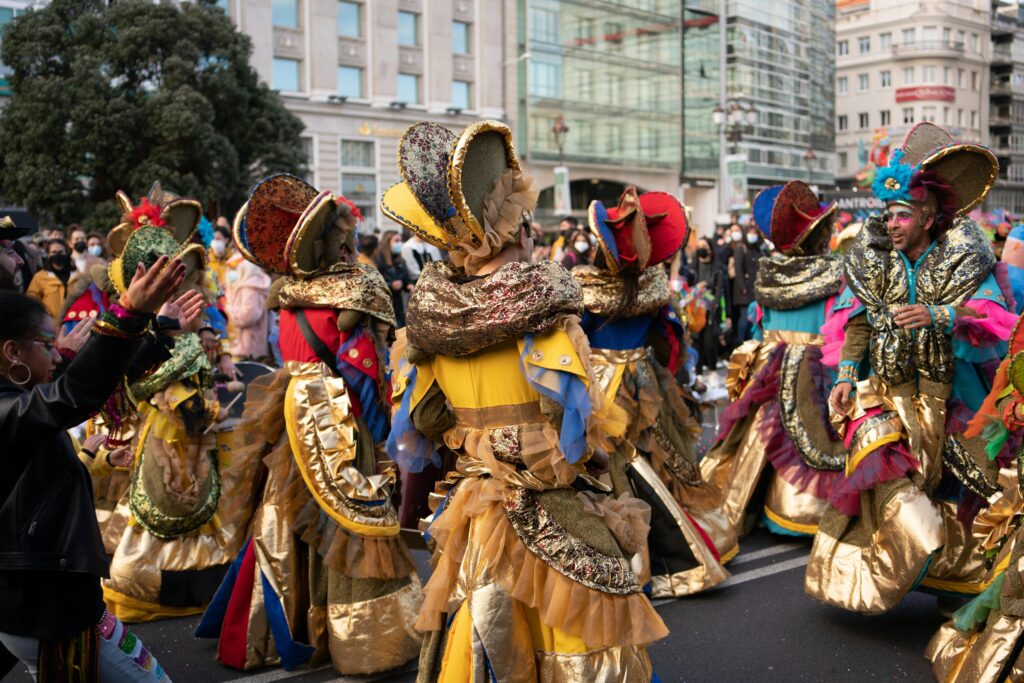
Playing mas refers to the main Carnival parades on Monday and Tuesday, where thousands of revelers wear elaborate costumes and dance through the streets in large organized bands.
Each mas band follows a theme, and participants choose costumes that reflect different interpretations of that theme. The experience blends movement, music, and visual storytelling into a living spectacle.
For travelers, playing mas is an opportunity to become part of the festival rather than observing from the sidelines. It is one of the most immersive ways to experience Carnival.
KINGS & QUEENS – Our vibrant artistry on display
Kings and Queens of Carnival competitions showcase the most intricate and visually striking costumes of the season. These massive creations often feature moving parts, dramatic silhouettes, and bold symbolism.
Designers and performers spend months preparing for this moment, using Carnival as a platform for artistic expression and storytelling.
This segment of Carnival highlights the craftsmanship behind the celebration and reminds visitors that Carnival is not only a party, but a living art form.
PANORAMA – The sweet sound of steelpan
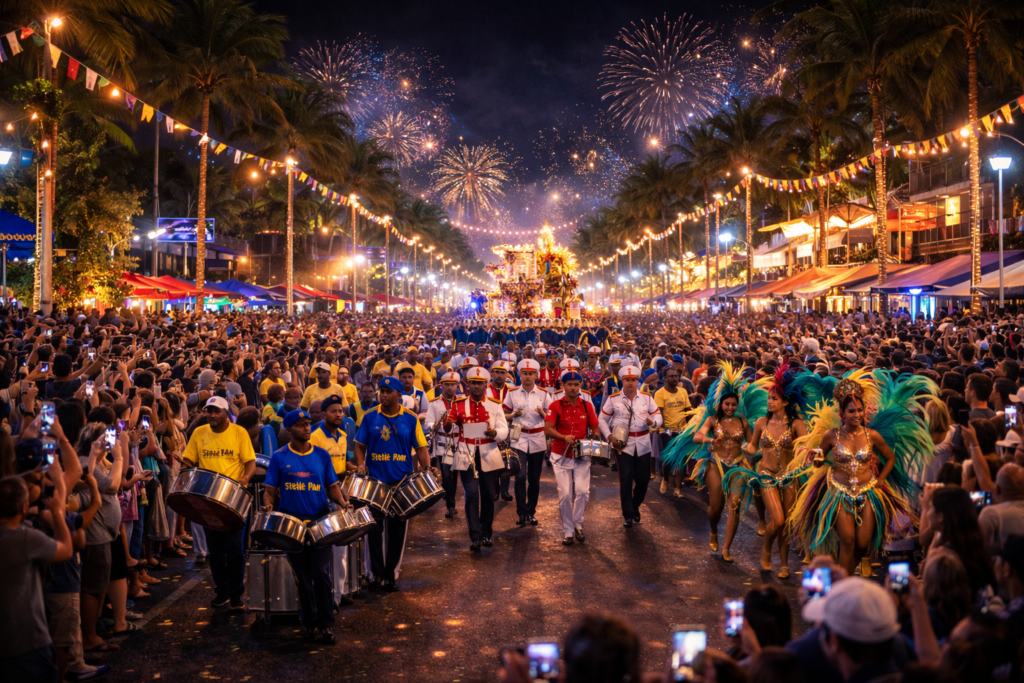
Panorama is the premier steelpan competition of Carnival season. Steelbands perform original musical arrangements in front of large audiences, blending classical structure with Caribbean rhythms.
Steelpan is the national instrument of Trinidad and Tobago, and Panorama represents the highest level of musicianship within this tradition.
For many visitors, attending Panorama offers a deeper appreciation of the musical roots of Carnival and the technical mastery behind its sound.
Must Try Food During Trinidad And Tobago’s Carnival
Food is an essential part of Carnival culture, adding flavor, comfort, and tradition to the nonstop celebrations. Street vendors, food stalls, and casual eateries serve classic Trinidadian dishes throughout the festival, making it easy for visitors to enjoy local cuisine between events.
Doubles – A beloved Trinidadian street food made with two soft fried flatbreads filled with curried chickpeas and topped with tangy chutneys and pepper sauce. It is light, flavorful, and commonly eaten in the morning or late at night.
Corn Soup – A hearty, slow-simmered soup made with corn, dumplings, herbs, and spices. It is especially popular during early morning events like J’ouvert and is known for being both comforting and filling.
Bake and Shark – Often enjoyed at beachside stalls, this sandwich features fried flatbread stuffed with seasoned, battered fish and topped with fresh vegetables and sauces. It is one of Trinidad’s most iconic casual meals.
Roti – A soft, wrapped flatbread filled with curried chicken, goat, shrimp, or vegetables. Roti is a favorite for lunch or dinner during Carnival week, offering bold flavor and satisfying portions.
Pelau – A one-pot dish made with rice, pigeon peas, coconut milk, and seasoned meats. It is commonly served at gatherings and reflects the island’s blend of African, European, and Caribbean influences.
Callaloo – A rich, green soup made from dasheen leaves, okra, coconut milk, and crab or salted meats. It is a traditional dish often enjoyed as a side or main meal.
Trying local dishes adds another layer of cultural immersion and introduces visitors to Trinidad’s rich culinary heritage, making Carnival not only a visual and musical experience but a flavorful one as well.
Transportation and Accommodations
Getting around Trinidad during Carnival is part of the experience, with the capital city of Port of Spain becoming the central hub for most events. Visitors arriving from round the world typically land at Piarco International Airport, which is located about 40 minutes from downtown Port of Spain.
Within the city, transportation options include licensed taxis, ride services, hotel shuttles, and local maxi taxis. Many streets are closed or rerouted during peak Carnival days, so walking often becomes the easiest way to move between parade routes, food stalls, and entertainment zones.
When it comes to accommodations, Port of Spain offers a range of well known international hotels and boutique stays. Two of the most recognized options include:
Hyatt Regency Trinidad
Located along the waterfront, this modern hotel offers spacious rooms, dining options, and easy access to downtown Carnival activity. It is often chosen by travelers looking for comfort and proximity to major events.
Hilton Trinidad and Conference Centre
Set slightly above the city, this long-standing hotel provides scenic views, full amenities, and a relaxed atmosphere while still being close to Carnival venues.
Other visitors choose smaller guesthouses, serviced apartments, or short-term rentals for a more local experience. Each option provides a different way to enjoy Carnival, depending on your travel style.
Tips for Navigating Trinidad and Tobago Carnival
Carnival is energetic, vibrant, and full of movement, so it helps to approach each day with flexibility and an open mindset. The best experiences often come from allowing time to explore, observe, and join in at your own pace.
Light, breathable clothing is ideal for long days outdoors, and comfortable shoes make a noticeable difference. Sunscreen, sunglasses, and small backpacks or crossbody bags are practical for keeping essentials close.
Understanding the general flow of events can also enhance your experience. Some activities are best enjoyed early in the day, while others come alive after sunset. Taking breaks between events allows you to enjoy more without feeling rushed.
Staying curious, respectful of local customs, and open to conversation often leads to the most meaningful moments. Carnival is not only about spectacle, but also about connection.
PLAN YOUR TRIP TO TRINIDAD AND TOBAGO
Planning a Carnival trip to Trinidad and Tobago is an opportunity to experience one of the Caribbean’s most culturally rich destinations. Beyond the parades and performances, visitors can explore historic neighborhoods, coastal scenery, vibrant markets, and a diverse culinary scene that reflects the islands’ multicultural roots.
Many travelers from around the world, choose to build their Carnival itinerary around a mix of festival activities and relaxed sightseeing. Beaches, rainforests, cultural museums, and local music venues offer balance to the high-energy Carnival atmosphere.
For official guidance on Carnival events, cultural highlights, and travel inspiration, the Trinidad and Tobago tourism authority provides helpful resources for visitors. Their Carnival page offers insights into what to expect, how the celebration unfolds, and how to experience the festival respectfully and meaningfully.
With thoughtful planning, Trinidad and Tobago Carnival becomes more than a festival visit. It becomes a cultural journey that blends music, history, food, and unforgettable moments into one extraordinary travel experience.