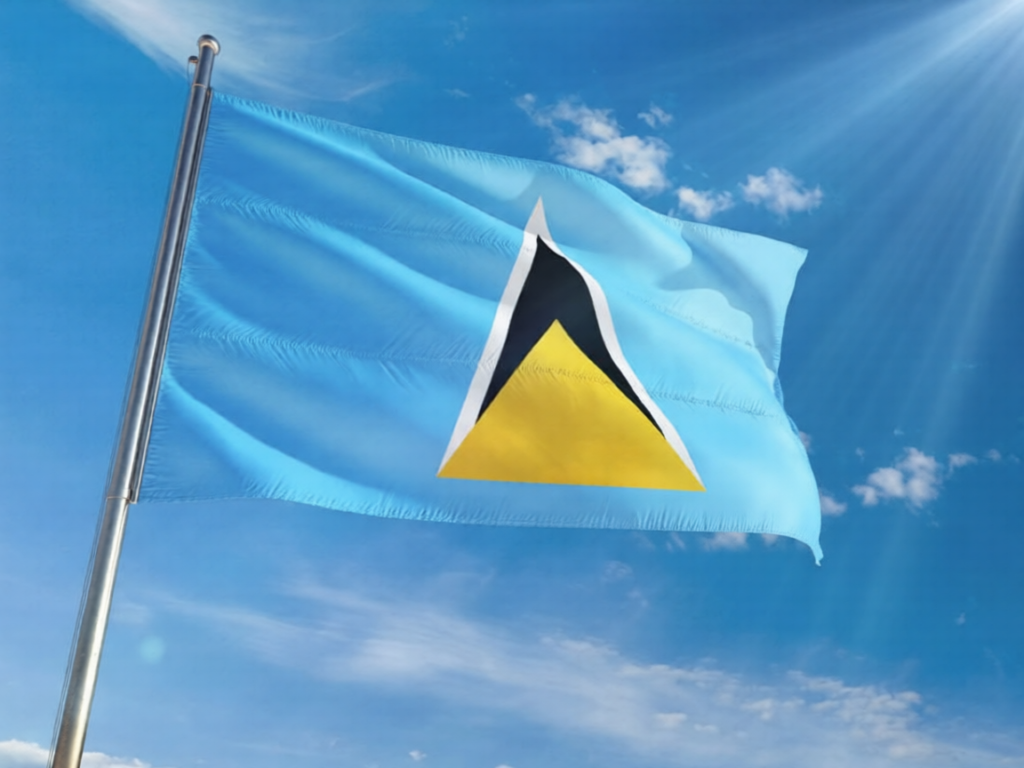
There are moments when travel stops being about where you are and starts becoming about what you understand. Independence Day in Saint Lucia is one of those moments. Celebrated each year on February 22, it is the island’s most meaningful national observance-one that reveals its identity, values, and shared memory in ways no ordinary visit can.
During this period, Saint Lucia feels different. National colors appear across towns and villages, schools and community groups take center stage, and everyday conversations turn toward history, pride, and progress. The celebrations are not designed for spectacle or tourism. They are personal, rooted, and communal-and that is precisely what makes them powerful for travelers seeking depth rather than entertainment.
Independence Day is not confined to a single parade or ceremony. It unfolds gradually through cultural performances, educational events, music, food, and neighborhood gatherings. For visitors, this creates opportunities to observe Saint Lucia as it sees itself: confident in its culture, reflective about its past, and united in its sense of belonging.
Traveling during Independence season offers more than visual celebration. It offers context. It allows you to understand how history shaped the island, why national pride runs deep, and how culture continues to evolve without losing its roots. For travelers who want to experience the Caribbean beyond scenery, Saint Lucia Independence Day provides one of the most authentic windows into island life.
A Brief History of Saint Lucia and the Road to Independence
Saint Lucia’s history is one of resilience shaped by constant change. Before European contact, the island was inhabited by Indigenous peoples, first the Arawaks and later the Caribs, who resisted early colonial settlement. From the 17th century onward, Saint Lucia became one of the most contested islands in the Caribbean, changing hands between Britain and France multiple times due to its strategic location and fertile land. This rivalry left a lasting imprint. While Britain ultimately gained control in 1814, French cultural influence remained strong-shaping language, customs, and identity. The island’s population, largely descended from enslaved Africans brought to work on plantations, developed a Creole culture that blended African, European, and Caribbean traditions.
The path to independence was gradual rather than revolutionary. In the mid-20th century, Saint Lucia moved toward self-governance through constitutional reforms, increased local political representation, and internal self-rule. On February 22, 1979, Saint Lucia formally became an independent nation, ending colonial governance while remaining a member of the Commonwealth.
Independence was not about rejecting history, but reclaiming ownership of it. Today, Independence Day reflects that journey-honoring struggle, celebrating survival, and affirming a national identity built on continuity rather than rupture. Saint Lucia’s independence is not framed as a break from the past, but as an assertion of identity. The island’s history-shaped by colonial rule, African heritage, and Creole culture-forms the foundation of the celebration. Independence Day acknowledges struggle, resilience, and continuity. It honors the journey toward self-governance while reinforcing pride in language, traditions, and community. This depth is what gives the celebrations their emotional weight. They are not loud declarations, but steady affirmations of who Saint Lucians are.
Events Schedule & Timings
Friday, February 20, 2026
Evening | Cultural Prelude Concert
Location: Castries (various open-air venues)
Independence celebrations typically begin with cultural concerts featuring local music, steelpan, and dance. This opening night sets the tone for the weekend, offering a relaxed introduction to Saint Lucian rhythms and community energy.
Saturday, February 21, 2026
Morning | Flag-Raising Ceremony & National Tribute
Location: Castries (central civic locations)
The official start of Independence weekend includes a formal flag-raising ceremony, national songs, and speeches. It’s a symbolic moment that reflects pride, reflection, and unity.
Late Morning-Afternoon | School & Youth Cultural Showcases
Location: Castries and surrounding communities
Schools and youth groups perform dances, songs, and dramatic pieces centered on Saint Lucian history and identity. These events feel heartfelt and community-focused.
Afternoon | Community Parades & Street Performances
Location: Castries, Gros Islet, local towns
Smaller parades and street music pop up across the island, blending organized processions with spontaneous celebration. These moments often feel more organic than the main parade.
Evening | Cultural Concerts & Community Limes
Location: Town centers and open-air venues
Evenings are social and relaxed, with music, food, and informal gatherings continuing well into the night.
Sunday, February 22, 2026 – Independence Day
Morning | National Independence Day Parade
Location: Castries (main parade routes)
The central event of the holiday, featuring marching bands, cultural groups, national colors, and performances. Streets close temporarily, and crowds gather early for good viewing spots.
Midday | Cultural Craft Markets & Food Stalls
Location: Castries & community grounds
Artisans, food vendors, and local cooks create vibrant market spaces. This is one of the best times for visitors to explore traditional food and crafts.
Afternoon | Community Gatherings & Shared Meals
Location: Villages and neighborhoods island-wide
Many communities host informal meals and gatherings, reflecting the communal spirit of the day.
Evening | Independence Day Cultural Concert
Location: Castries or major open-air venue
Music, dance, and storytelling performances bring the national celebration to an emotional and celebratory close.
Monday, February 23, 2026
Daytime | Family & Youth Fun Activities
Location: Beaches, community centers, town grounds
Post-holiday events focus on families, leisure, and relaxation. These are informal and ideal for travelers who prefer quieter participation.
Tuesday, February 24, 2026
Evening | Closing Cultural Performances
Location: Select community venues
Independence celebrations typically conclude with reflective performances highlighting culture, creativity, and national pride.
How the Island Celebrates Independence Day 2026
Independence Day in Saint Lucia is celebrated as a collective expression rather than a single event. The island comes alive through a blend of official ceremonies and community-led activities that unfold across several days. Flag-raising ceremonies, national addresses, and formal observances mark the significance of the day, often centered in Castries and other key towns.
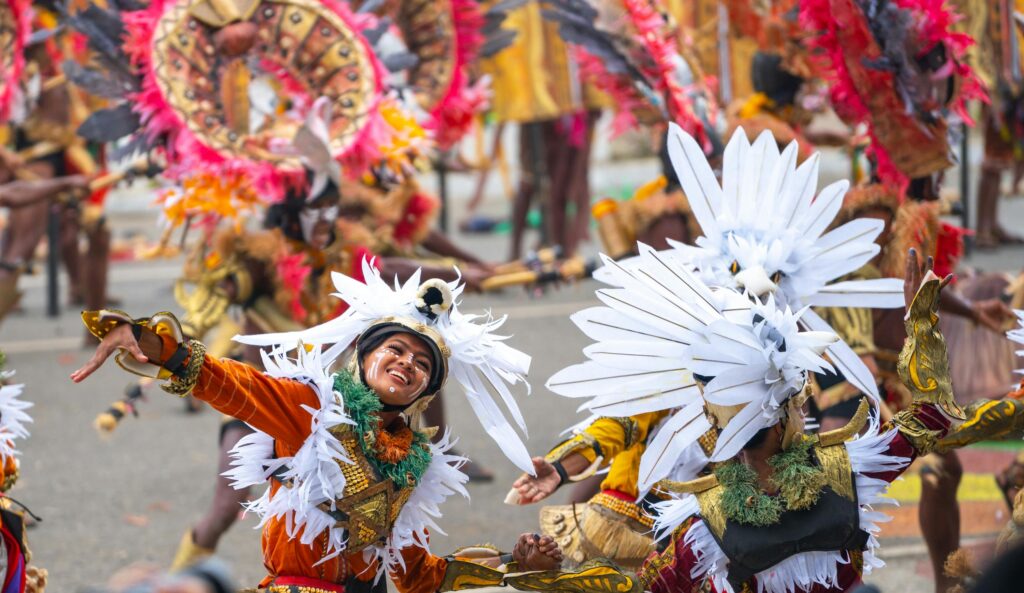
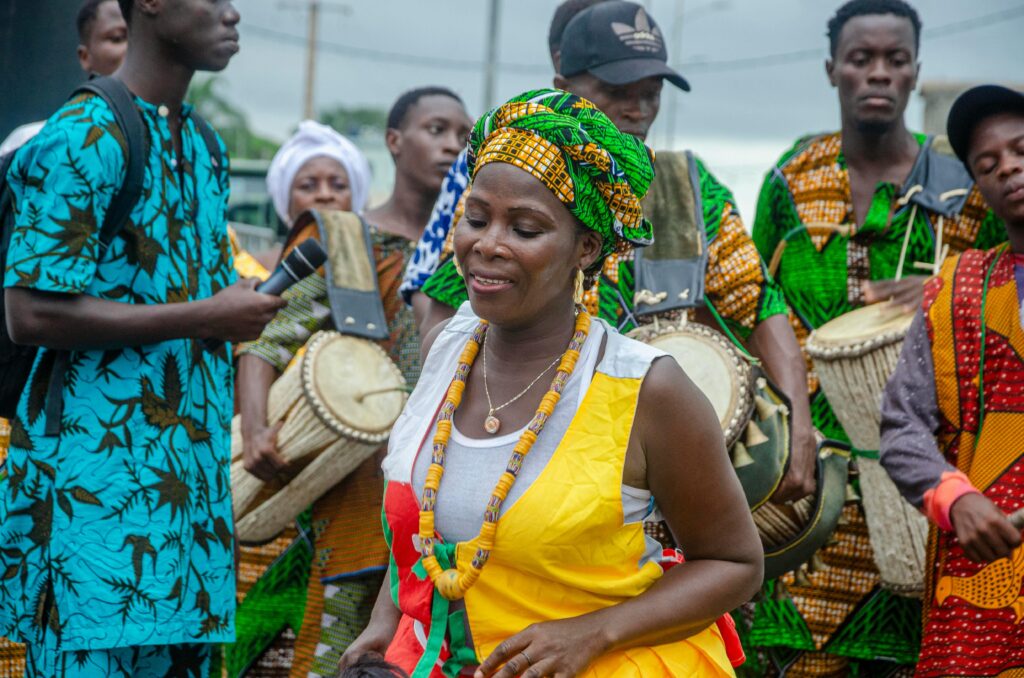
Beyond the official program, the celebrations become deeply local. Schools, cultural groups, and community organizations play a central role, presenting performances that highlight music, dance, poetry, and storytelling rooted in Saint Lucian heritage. National colors-blue, gold, black, and white-appear everywhere, from clothing and decorations to public spaces.
Parades and cultural showcases bring people into the streets, while smaller village events create intimate moments of pride and connection. Food, music, and conversation flow naturally, blurring the line between planned celebrations and everyday life. What makes Saint Lucia’s Independence Day distinctive is this balance-formal recognition paired with grassroots participation-creating a celebration that feels meaningful, inclusive, and unmistakably authentic.
Food & Drink During Independence 2026 Celebrations
Food becomes a powerful expression of identity during Independence celebrations in Saint Lucia. Meals are not treated as side attractions but as shared cultural moments, often prepared and enjoyed communally. During this period, traditional dishes appear more prominently-served at community events, school functions, and informal gatherings that welcome conversation as much as appetite.
Local cooking highlights familiar flavors rather than novelty. Hearty one-pot meals, slow-cooked meats, ground provisions, and fresh seafood reflect how Saint Lucians eat at home. Street food plays a visible role, with vendors offering quick, flavorful bites that keep celebrations moving while keeping people connected to place.
Drinks are equally symbolic. Local juices, herbal beverages, and rum-based refreshments feature heavily, often prepared using recipes passed through generations. These drinks are less about indulgence and more about tradition and hospitality.
For travelers, eating during Independence celebrations is about participation rather than exploration. Meals feel unstructured, shared, and rooted in everyday life-offering a taste of Saint Lucia that goes beyond restaurants and menus, and into the rhythms of the island itself.
Best Places to Experience Independence Day as a Visitor
Independence Day celebrations unfold across Saint Lucia, but the experience can feel very different depending on where you choose to be. For visitors, the key is balancing visibility with authenticity-knowing where celebrations are most public and where they feel most personal.
Castries is the focal point for official ceremonies, parades, and national observances. This is where visitors will see the most organized events, including flag-raising ceremonies and large-scale cultural performances. The atmosphere is energetic and symbolic, making it ideal for first-time visitors who want to understand the national significance of the day.
Smaller towns such as Gros Islet and Soufrière offer a different perspective. Celebrations here are more community-driven-school performances, local music, shared meals, and informal gatherings that reflect everyday island life. These settings feel less crowded and more conversational, allowing visitors to observe without intrusion.
Village-level events, often unadvertised, provide the most intimate experience. While modest in scale, they reveal how Independence Day is lived rather than staged. For travelers willing to explore beyond central venues, these quieter spaces often leave the strongest impression.
How to Experience Saint Lucia Independence 2026 Day Well
Experiencing Independence Day in Saint Lucia is less about following a plan and more about understanding the moment. The celebrations are deeply personal to locals, so the best approach is to observe first and participate where it feels natural. Arriving early to public events allows you to settle into the atmosphere before crowds build and ceremonies begin.
Dress comfortably and respectfully. Wearing the national colors-blue, gold, black, and white-in a subtle way is widely welcomed and often appreciated. Light clothing, comfortable walking shoes, and sun protection are essential, as many events take place outdoors and unfold gradually rather than on a fixed schedule.
Photography is generally welcomed, especially during parades and performances, but it’s thoughtful to ask permission before photographing individuals or small community gatherings. Conversations often open easily during this time, and simple curiosity goes a long way in creating genuine interactions.
Most importantly, allow the day to move at its own pace. Stay longer than planned, follow where the music or movement leads, and resist the urge to see everything. Independence Day is best experienced not as a series of highlights, but as a shared day of pride, reflection, and celebration-one that reveals Saint Lucia most clearly when you give it time.
Why Independence Day Reveals the True Saint Lucia
Independence Day reveals Saint Lucia in a way no itinerary ever could. Stripped of performance and promotion, the island expresses itself on its own terms-through shared spaces, collective memory, and quiet pride. This is when culture is not curated but lived, when music, language, and tradition appear naturally in everyday settings rather than on formal stages.
What becomes clear during Independence celebrations is how deeply community shapes the island. Schools, villages, families, and cultural groups take ownership of the day, turning national history into something personal and present. The focus is not on spectacle, but on continuity-how the past informs the present and how identity is carried forward without needing explanation.
For travelers, this moment offers understanding rather than entertainment. You see how Saint Lucians relate to their history, how pride is expressed without excess, and how celebration coexists with reflection. Independence Day doesn’t create a different Saint Lucia-it reveals the one that exists year-round, grounded in resilience, connection, and self-awareness. That clarity is what stays with visitors long after the flags come down and the music fades.