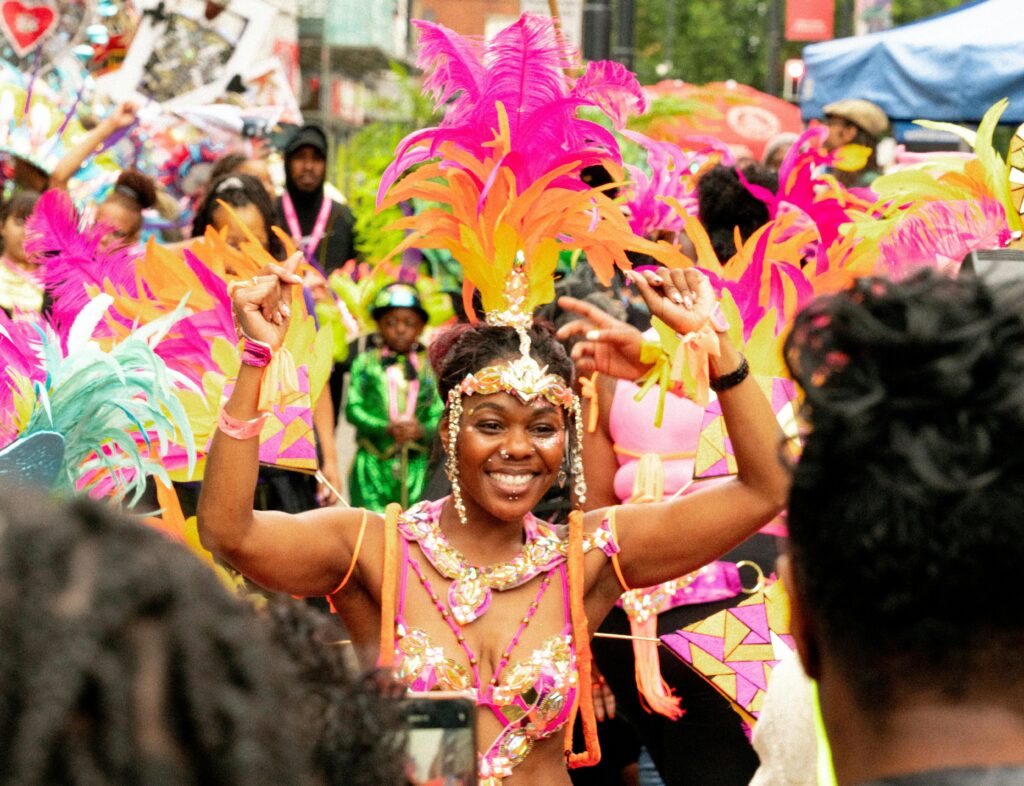
Aruba’s Grand Parade in Oranjestad 2026 is the pinnacle of the island’s Carnival season – a dazzling procession of music, colour, elaborate costumes, and pure celebration. Scheduled for Sunday, February 15, 2026, this parade marks one of the happiest and most energetic days of the year. Locals and visitors alike line the streets from morning into the early evening to watch thousands of costumed performers, musicians, and pole carriers dance and march through the capital in a display of cultural pride and Caribbean flair.
Unlike any other parade on the Carnival calendar, the Grand Parade is both an artistic showcase and a deeply rooted community tradition that culminates weeks of preparation, rehearsals, and smaller events across the island. For those planning a festival trip or seeking a front-row Carnival experience, the Grand Parade in Oranjestad remains the must-see highlight of Aruba Carnival 2026.
Date, Time, and Main Route of the Grand Parade 2026
The Grand Parade in Oranjestad will take place on Sunday, February 15, 2026 – officially part of the Carnival festivities that run through early and mid-February, leading into the striking finale of the Burning of King Momo later that night.
The parade typically begins at midday (around 10:00–11:00 AM) and continues into the early evening – with performers, themed bands, and costume groups advancing along the main thoroughfares of Oranjestad, including L.G. Smith Boulevard and surrounding streets that are adorned with spectators, vendors, and vibrant displays.
From the start, the energy is unmistakable. Brass and steel bands set the rhythm, colourful floats weave their way through the crowd, and dance groups move with precision as confetti and cheers fill the air. This is both the cultural apex and social heart of Carnival week – an event built for dancing, photo moments, and unforgettable memories.
What Makes the Grand Parade Oranjestad So Special?
The Grand Parade is more than a procession; it’s a living cultural expression that brings together creativity, community, and performance.
Elaborate Costumes and Floats
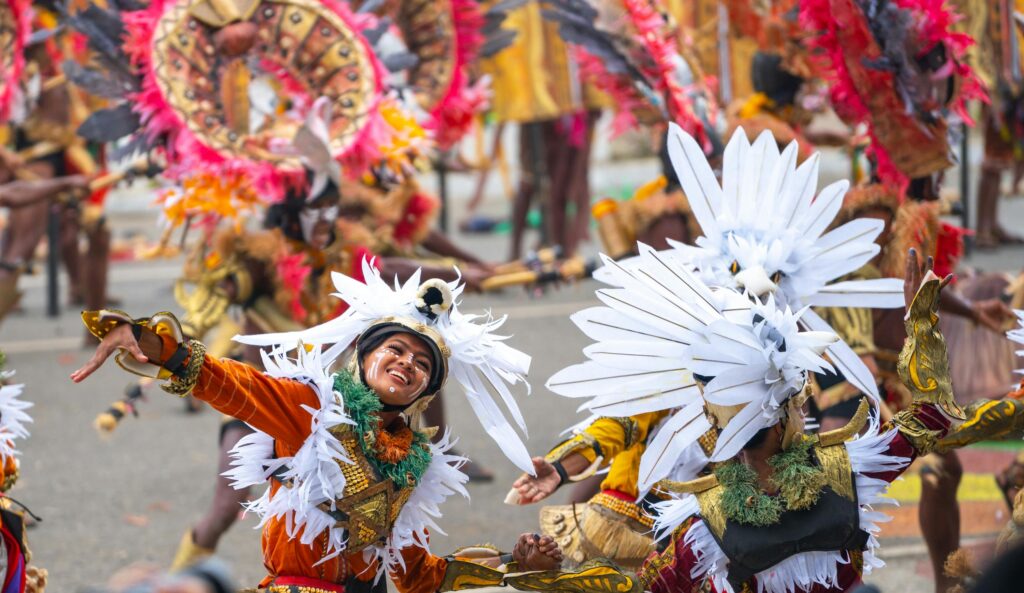
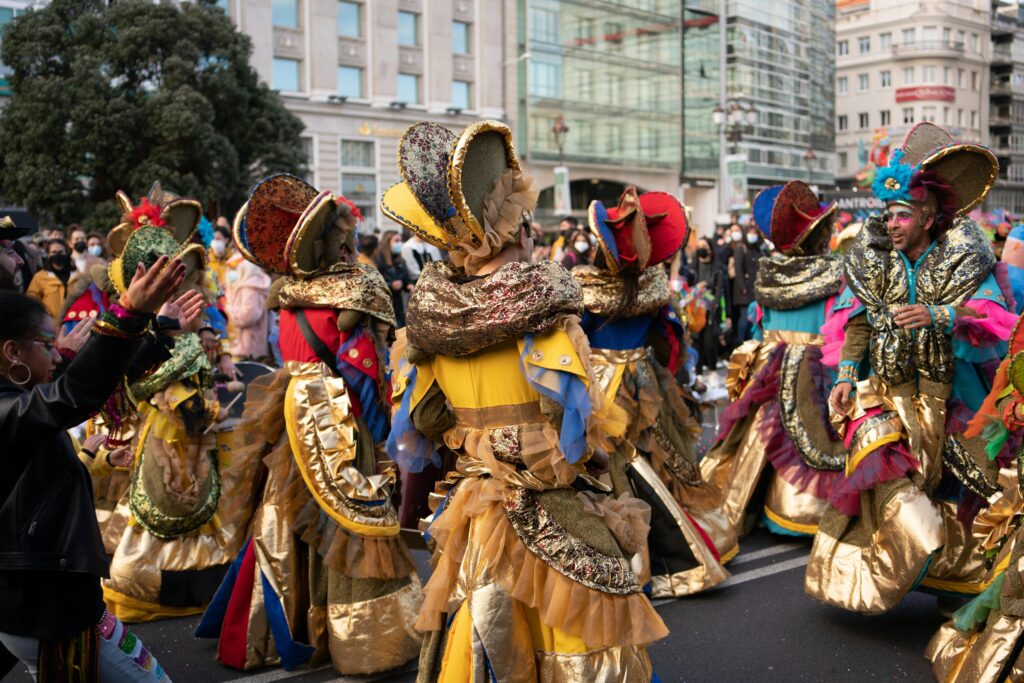
One of the most striking features of the parade is its elaborate costumes – from towering feathered creations to intricately beaded ensembles. Each group, or “mas band,” moves in synchrony to the island’s infectious rhythms. Floats often mirror Carnival themes, telling a visual story through design, movement, and spectacle.
Music and Dance – The Rhythmic Pulse of Carnival
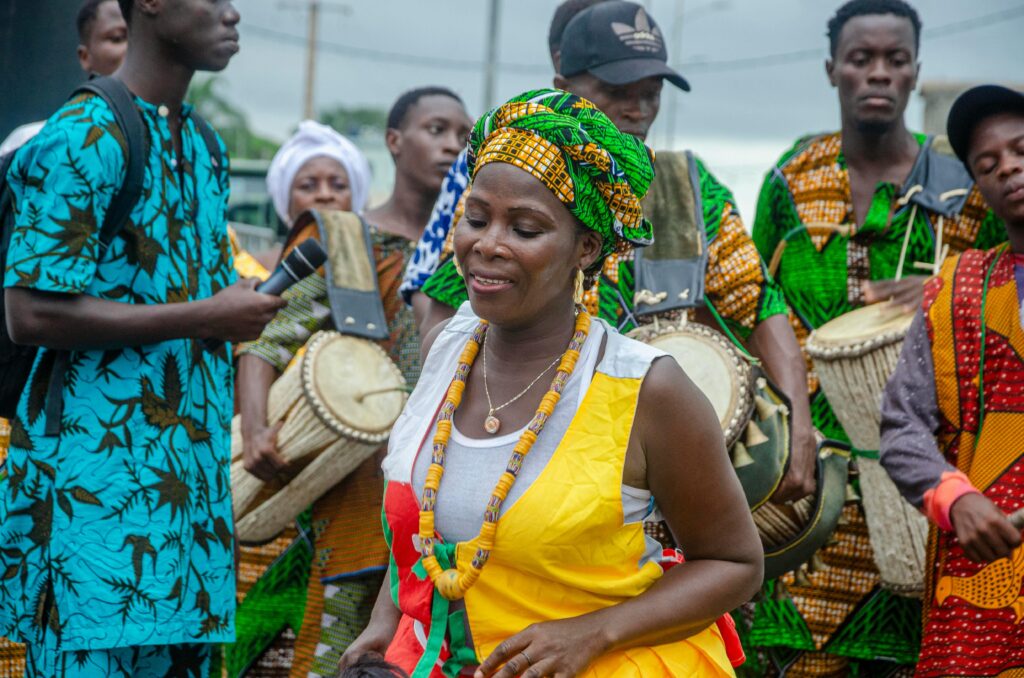
Music is the lifeblood of the Grand Parade. Soca, calypso, steelpan, and roadmarch beats fuel the crowd’s excitement as performers dance with energy and joy. Bands compete for crowd-adoration with both sound and showmanship, creating a soundtrack that guides the marchers and spectators alike.
Community and Celebration
What sets the Grand Parade apart from other cultural festivals is its sense of community participation. Schools, social clubs, neighbourhood groups, costume designers, and musicians all have a place in the procession. Some participants march with competitive intensity, others simply celebrate their heritage and shared joy. The result is a mosaic of voices, movement, and colour that captures the heart of Aruba’s Carnival spirit.
A Day in the Life at the Grand Parade
Attending the Grand Parade is not merely attending an event – it’s a full-day experience that evolves with the hours.
Morning – Gathering and Anticipation
By late morning, parade participants are already assembling at staging points near the route. Streets begin to fill with costumed performers, sound trucks, and festival staff. Many spectators stake out their viewing spots in shaded areas or along barricades, often arriving hours early to secure prime locations.
Food vendors, drink tents, and temporary stalls line the streets, offering local treats like pastechi, grilled meats, tropical fruits, and refreshing juices. Children and families gather with friends, neighbours, and fellow Carnival fans, setting the tone for a friendly and festive day.
Midday – The Parade in Motion
Once the official start time hits, the parade comes alive. The first marchers step onto the route, greeted by cheers and applause. Throughout the midday hours, themed bands, elaborate float entries, and dance groups weave through the streets. Each group has its moment: a burst of music here, a costume showcase there, and an endless procession of colour and rhythm stretching along the city’s arteries.
Spectators clap, dance in place, and wave flags as the parade advances. Some groups invite onlookers to join in dances or post for photos – making the experience immersive rather than passive.
Afternoon – Music, Movement, and Momentum
As the sun climbs higher and the day wears on, the parade’s energy remains remarkably high. Performers draw on well-tuned stamina and crowd support to keep moving, while the crowd’s cheers fuel their momentum. Smaller bands and local performers often have moments to shine between the major entries – creating a layered rhythm of music that never feels static.
By late afternoon, the procession gradually winds toward its final stages, with the last groups marching into cheers and applause, marking not an end but a high point in Carnival’s cultural journey.
How the Grand Parade Fits into Aruba Carnival 2026
The Grand Parade in Oranjestad is more than a single event – it is the culmination of weeks of Carnival celebrations held across Aruba:
- Torch Parade and Lighting Events – These opening parades in early Carnival season set the tone with illuminated costumes and thematic entries.
- Children’s and School Parades – Highlighting local youth participation and creative engagement.
- Jouvert Morning and Jump-Ups – Pre-dawn street celebrations and music before the main parade week.
All roads lead to the Grand Parade on February 15, which stands as the pinnacle and finale of Carnival’s major pageants, competitions, and cultural celebrations. Its position just before the Burning of King Momo later that night ties the day’s festivities into a larger ceremonial arc: celebration in motion by day, reflection by night.
Practical Tips for Your Grand Parade Experience
To make the most of the parade day, it helps to plan ahead.
Arrive Early and Secure a Spot
Due to the popularity of the event, prime viewing areas fill quickly. Arriving in the morning gives you time to find a comfortable spot along L.G. Smith Boulevard or other parade routes before the crowds swell.
Dress for Comfort and Weather
February in Aruba is warm but breezy. Light clothing, breathable fabrics, and comfortable walking shoes will help you stay energized throughout the day. Don’t forget sunscreen and a hat if you plan to be in direct sunlight during the midday hours.
Stay Hydrated and Snack Smart
Bring a refillable water bottle. Street vendors offer local snacks and drinks, but having water on hand helps you stay refreshed without waiting in long lines.
Follow Local Directions and Safety Rules
Carnival days involve road closures and crowd control measures. Follow directions from event staff and local officials to ensure a smooth, enjoyable experience.
More Than a Parade: A Front-Row Seat to Aruba’s Creative Power
The Grand Parade Oranjestad 2026 is not just the visual peak of Carnival – it is the moment when Aruba’s creative engine is on full display. Months of costume design, choreography, music production, and community collaboration culminate in a single sweeping procession through the capital. Every feather, sequin, drumbeat, and dance step reflects dedication that began long before parade day.
What makes the Grand Parade unforgettable is its scale and sincerity. This is not a performance staged solely for spectators – it is a celebration built by the community itself. Designers invest countless hours in handcrafted costumes. Musicians refine arrangements that define the season’s soundtrack. Dance groups rehearse relentlessly for their few electrifying minutes on the road.
For visitors, witnessing the Grand Parade offers rare access to this creative intensity. You are not just watching – you are standing inside a living cultural tradition that evolves each year while staying rooted in identity.
By the time the final band passes and the streets begin to clear, something shifts. The city feels lighter, proud, and accomplished. And as evening approaches – leading into the Burning of King Momo – you realize you’ve experienced the heartbeat of Aruba Carnival at its most powerful.
The Grand Parade doesn’t just entertain. It defines the season.