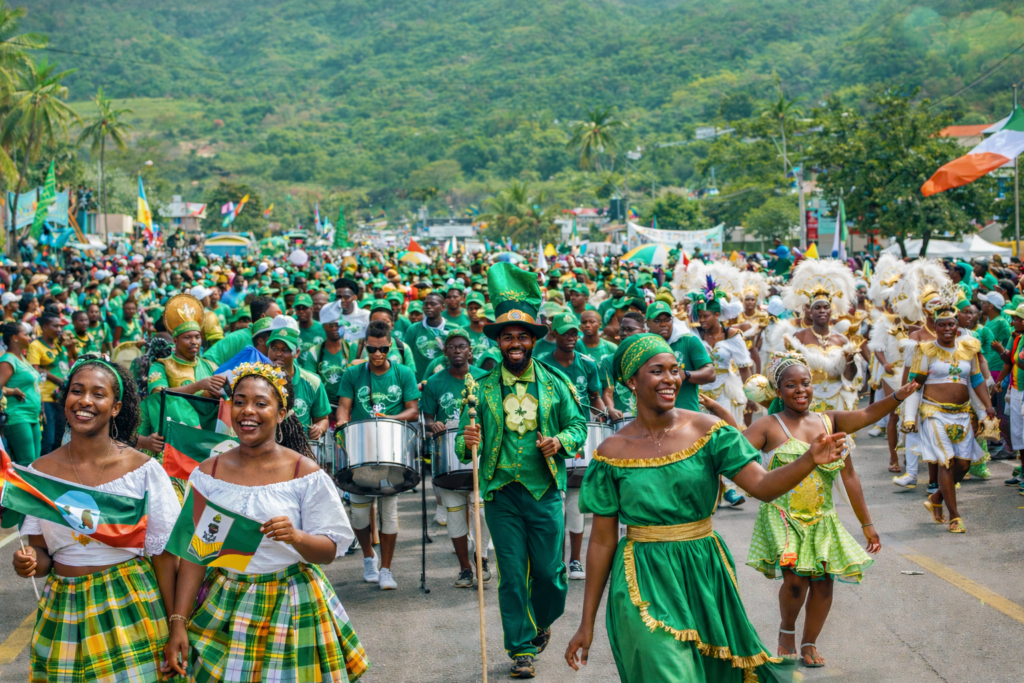
When most people think of St. Patrick’s Day, their minds drift to Dublin parades and Irish pubs. But in the Caribbean, one island marks March 17 in a way that is entirely its own. St. Patrick’s Festival in Montserrat is not simply a holiday celebration – it is a powerful fusion of Irish heritage and Afro-Caribbean history, shaped by centuries of migration, resistance, and cultural evolution.
Often referred to as the “Emerald Isle of the Caribbean,” Montserrat holds the distinction of being the only place outside Ireland where St. Patrick’s Day is recognized as a public holiday. Yet here, the festival carries an added layer of meaning. It commemorates both Irish ancestry and a pivotal slave uprising that took place on March 17, 1768 – making it a celebration of identity, resilience, and cultural pride.
For 2026, the St. Patrick’s Festival in Montserrat is expected to run from early March through March 17, 2026, culminating in the island’s largest parade and national observances on St. Patrick’s Day itself.
History and Origin of St. Patrick’s Festival in Montserrat
St. Patrick’s Festival in Montserrat is unlike any other St. Patrick’s celebration in the world. While the date – March 17 – honors Ireland’s patron saint, Montserrat’s observance carries a dual historical meaning rooted in both Irish settlement and African resistance. The festival’s origins trace back more than three centuries and reflect the island’s unique colonial and cultural history.
The Irish Connection – How Montserrat Became the “Emerald Isle of the Caribbean”
Montserrat’s Irish roots date to the 1600s, when Irish settlers arrived on the island during British colonial expansion. Many were Irish Catholics fleeing political and religious turmoil, while others were transported as indentured servants. Over time, Irish surnames, traditions, and Catholic influence became deeply embedded in Montserratian society.
By the 18th century, a significant portion of the white settler population on Montserrat was Irish. This strong Irish presence earned the island its nickname – the “Emerald Isle of the Caribbean.” Even today, Irish surnames such as O’Garro and Farrell remain common on the island.
St. Patrick’s Day, already important within Irish Catholic communities, became a recognized observance in Montserrat as part of this heritage.
March 17, 1768 – The Slave Uprising
However, Montserrat’s St. Patrick’s Festival is not solely a reflection of Irish ancestry. The date also marks a pivotal moment in the island’s history.
On March 17, 1768, enslaved Africans on Montserrat planned a rebellion against British colonial rule and plantation slavery. The uprising was scheduled to take place during St. Patrick’s Day celebrations, when plantation owners would likely be distracted by festivities.
Although the rebellion was ultimately discovered and suppressed, its planning represented a bold act of resistance. The event remains a significant symbol of courage and the fight for freedom in Montserrat’s history. Because of this connection, St. Patrick’s Day in Montserrat evolved into a day that commemorates both Irish heritage and African resistance.
Why Montserrat Celebrates St. Patrick’s Day Differently
Montserrat’s Irish connection dates back to the 17th century, when Irish settlers arrived on the island. Over time, Irish and African cultures intertwined, creating a unique heritage that still shapes Montserratian identity today.
Unlike traditional Irish celebrations focused primarily on heritage and festivity, Montserrat’s St. Patrick’s Festival honors:
- Irish ancestry
- African heritage
- The 1768 slave uprising
- Cultural survival and unity
This dual commemoration makes the festival deeply symbolic. It is both a celebration and a remembrance – festive yet historically grounded.
Festival Timeline – What Happens Throughout the Week
The St. Patrick’s Festival in Montserrat is not limited to one parade. It unfolds across several days of events that blend culture, entertainment, and education.
Early March – Cultural and Community Events
The opening days often feature:
- Heritage lectures and storytelling sessions
- Church services and community gatherings
- School programs celebrating Irish-Caribbean history
- Art exhibitions and cultural showcases
These events highlight Montserrat’s layered identity and provide context for visitors seeking deeper understanding.
Mid-March – Music, Pageants, and Social Nights
As the festival builds momentum, evening events become more prominent.
Expect:
- Live local music featuring soca, calypso, and reggae
- Pageants such as the St. Patrick’s Queen Show
- Community dinners and themed parties
- Outdoor concerts in public spaces like Salem and Little Bay
Green attire becomes increasingly visible as island pride blends with festive flair.
March 17 – St. Patrick’s Day Parade & National Observance
The highlight of the festival takes place on March 17.
The day typically begins with:
- A church service
- Official ceremonies commemorating the 1768 slave uprising
- Wreath-laying or heritage tributes
By midday, the atmosphere shifts into celebration mode.
Parade Details of St. Patrick’s Festival Montserrat 2026
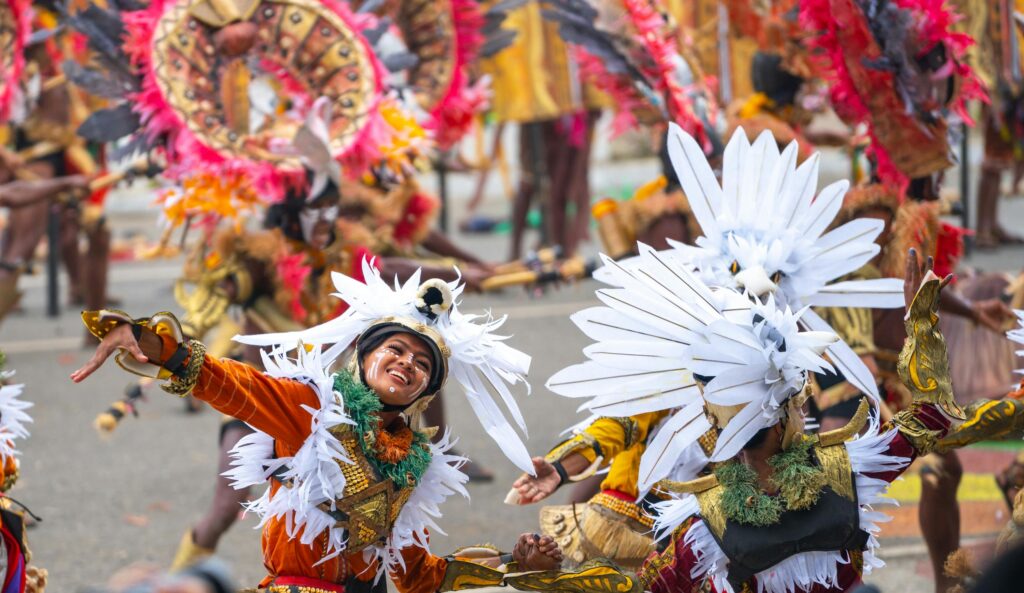
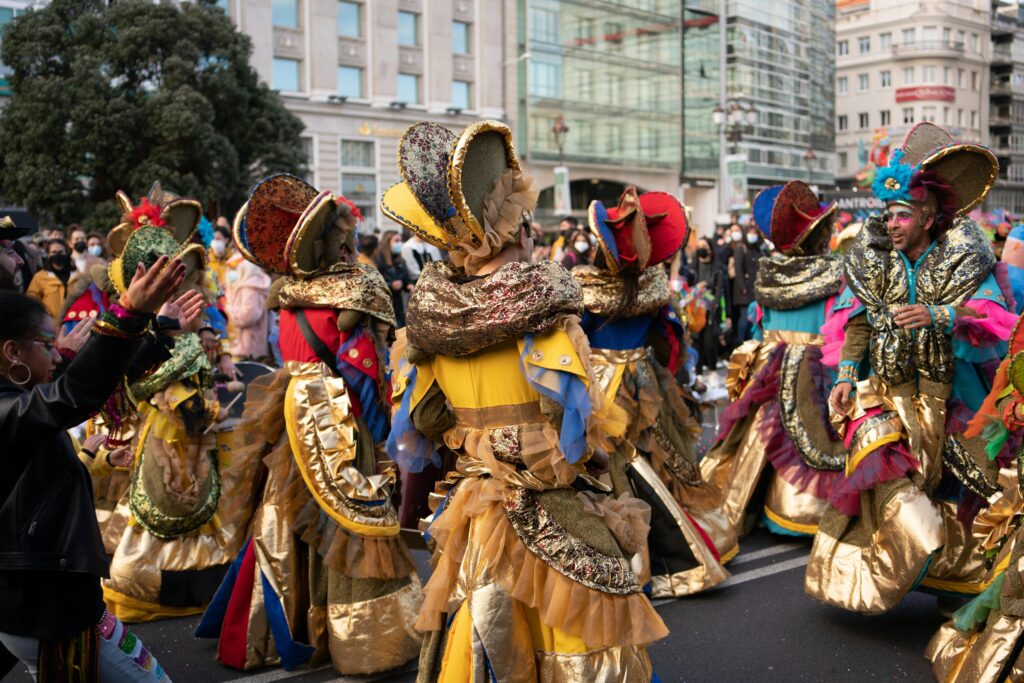
One of the most anticipated highlights of St. Patrick’s Festival in Montserrat is the St. Patrick’s Day Parade, a vibrant and expressive procession that brings together the island’s communities, cultural performers, school groups, and visitors. Unlike a single moment of spectacle, the parade is the emotional and festive core of the celebrations – a joyful expression of Montserrat’s blended heritage, resilience, and contemporary identity.
When and Where the Parade Takes Place
The St. Patrick’s Day Parade is held on March 17, 2026, the festival’s climactic day and Montserrat’s national public holiday. The festivities begin earlier in the day with community gatherings, official observances, and heritage tributes, but the parade typically launches in mid-morning or early afternoon, once formal ceremonies are concluded.
Parade routes often center on key locations in the administrative district of Salem, which serves as Montserrat’s civic heart and hosts many of the festival’s main events. In some years, elements of the procession extend toward surrounding communities such as Little Bay, ensuring both residents and visitors can participate and view the spectacle.
The route is designed to be accessible, welcoming spectators along wide streets that are typically lined with local businesses, families on porches, and visitors soaking in the atmosphere.
Who Participates in the Parade
The St. Patrick’s Day Parade in Montserrat is a community celebration that draws participants from all walks of island life:
School Groups
Children and youth march in coordinated outfits, often reflecting the greenery and symbolism of the day. School bands and dance teams add rhythmic movement to the parade, offering youthful energy and precision.
Cultural Troupes
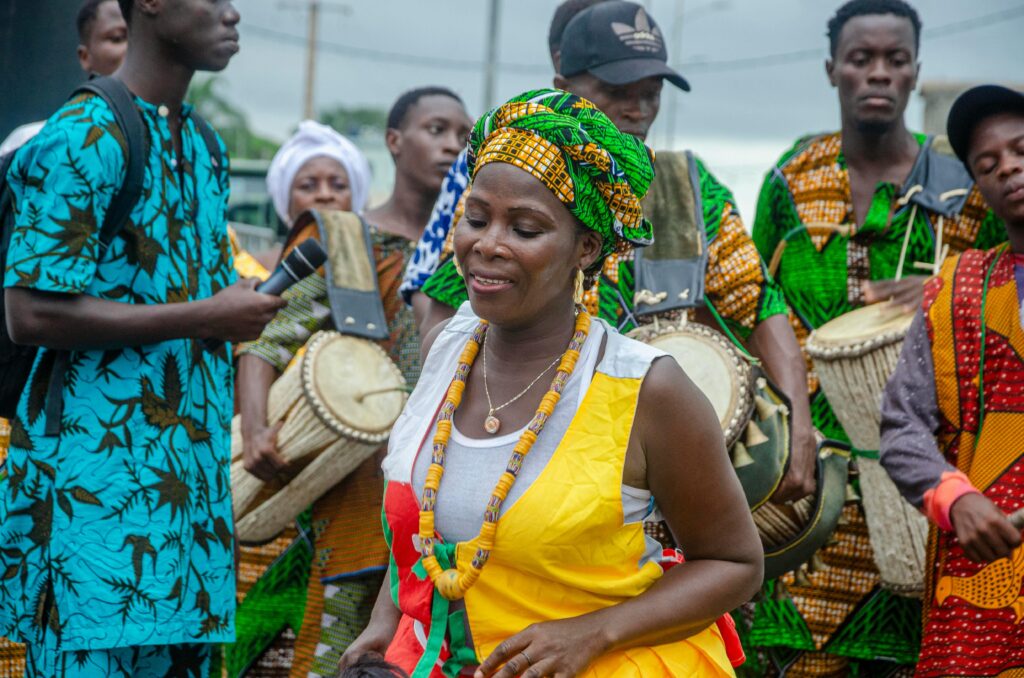
Local dance groups, drummers, masqueraders, and cultural performers often present choreography that blends Caribbean movement with festive flair. Color, rhythm, and rhythmically driven dance styles make the procession feel dynamic and joyful.
Vejimite and Themed Costumes
Costume groups may wear ensembles inspired by local folklore, Caribbean style, and symbolic hues – particularly green, gold, and white – echoing both Irish and Montserratian identities.
Community and Civic Organizations
Church groups, social clubs, and heritage associations often walk together, emphasizing unity and island pride. Flags, banners, and thematic floats representing history and community causes contribute to the visual richness of the parade.
Music, Rhythm, and Atmosphere
The soundtrack of the parade is unmistakably Caribbean.
Instead of the traditional bagpipes and Celtic instruments associated with Irish St. Patrick’s events, Montserrat’s procession is led by:
- Calypso rhythms
- Soca beats
- Reggae and dancehall sounds
- Steel pan performances
- Drum ensembles
These musical styles energize the crowd and performers alike, infusing the parade with pulse and movement rooted in local culture.
Spectators often dance along the sidewalks or in open spaces beside the route. Vendors sell cold drinks and local snacks, adding to the festive, communal feel of the day.
Symbols and Themes You’ll See
Various visual motifs appear throughout the parade:
- Green costumes and accessories – referencing St. Patrick’s Day symbolism.
- Mimosa flowers and greenery – often worn or carried.
- Flags blending Irish and Montserratian elements – highlighting the island’s dual heritage.
- Historical banners – commemorating the 1768 uprising and other milestones.
These elements turn the procession into a colorful canvas of meaning, offering both spectacle and storytelling.
How Long the Parade Lasts
The St. Patrick’s Day Parade in Montserrat is not a sprint – it unfolds at a leisurely pace designed for enjoyment and interaction. Depending on the number of participating groups, the procession can last several hours, often drawing out into mid-afternoon.
This extended timeline lets onlookers move along segments of the route, mingle with participants, and experience different performances as they emerge.
Where to Watch for the Best Views
The most popular viewing locations include:
- Along the main boulevard in Salem – close to performance stages and vendor areas.
- Near community hubs and city squares – where the procession tends to swell.
- Elevated porches and balconies – favored by residents with views over the route.
Because Montserrat’s population is relatively small, the parade feels accessible and personal – you’re rarely packed shoulder-to-shoulder as at larger festivals. This makes it easier to find an ideal vantage point and soak in the colors, music, and community energy.
Food and Drink During the Festival
Cuisine plays a central role in the celebration.
Visitors can expect:
- Goat water (Montserrat’s national dish)
- Rice and peas
- Saltfish and fried plantains
- Local pastries
- Fresh seafood
Drinks range from rum punch to locally mixed cocktails, often tinted green in playful homage to the day.
Food stalls line parade routes and festival grounds, creating an open-air culinary experience.
What Makes Montserrat’s St. Patrick’s Festival Unique
Several factors distinguish this celebration from other St. Patrick’s events worldwide:
- It is a national public holiday.
- It blends Irish and African-Caribbean heritage.
- It commemorates a historic slave uprising.
- It remains deeply community-driven.
- It offers authentic cultural programming beyond parades.
Montserrat does not replicate Ireland’s St. Patrick’s Day. It interprets it through its own history.
Why St. Patrick’s Festival Montserrat 2026 Deserves Attention
In a world filled with large-scale festivals and commercialized holiday events, Montserrat’s St. Patrick’s Festival feels meaningful.
- It is celebratory without losing substance.
- It is historic without feeling heavy.
- It is Caribbean without abandoning Irish symbolism.
For those interested in culture, heritage, and layered identity, this festival offers something rare: a celebration that tells a story.
As green flags wave against Caribbean skies in March 2026, Montserrat once again becomes the Emerald Isle of the Caribbean – honoring its past while dancing confidently into the present.