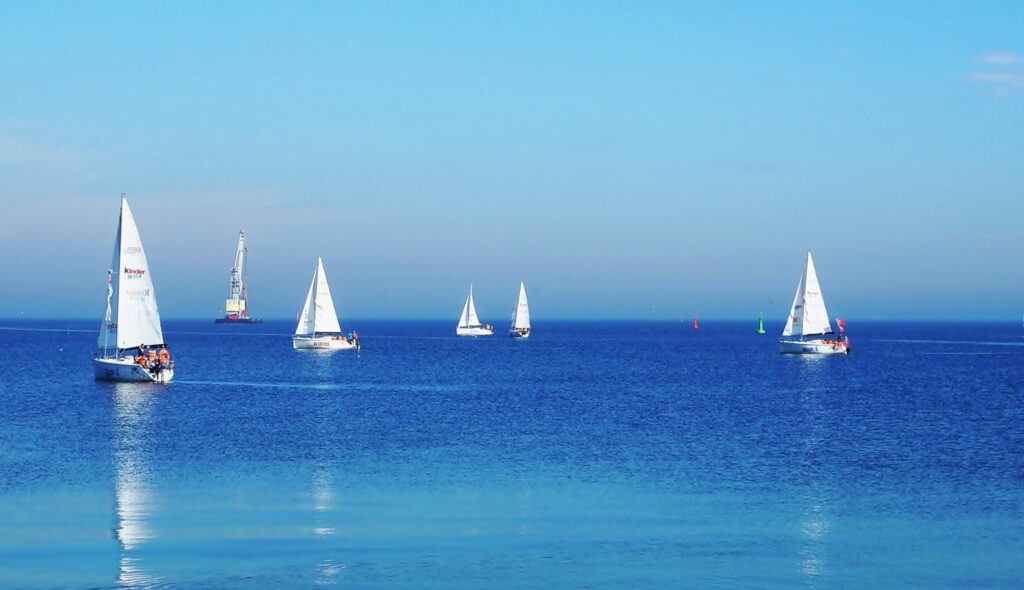
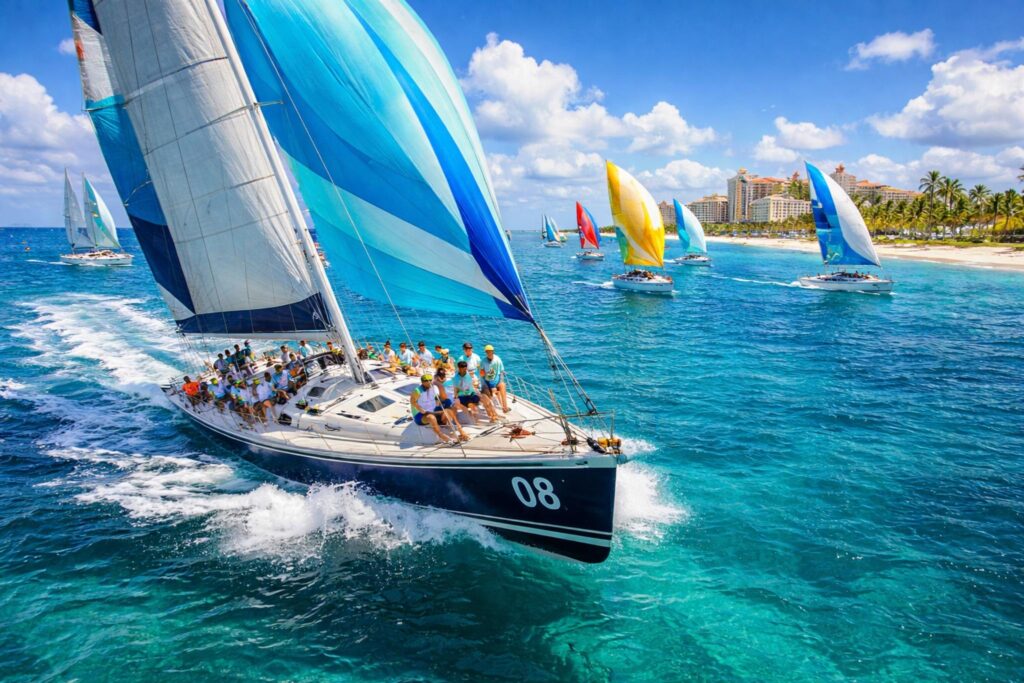
Each February, a fleet of determined offshore racers lines up off the coast of South Florida, bows pointed toward the open Atlantic and the distant horizon of the Bahamas. The Nassau Ocean Race 2026 is more than a passage from Miami to Nassau – it is a high-intensity offshore challenge that tests navigation, endurance, strategy, and teamwork across approximately 175 nautical miles of open water. Crossing the powerful Gulf Stream before threading into the calm turquoise approach of Nassau Harbour, this race has long held a respected place in the Caribbean sailing calendar.
Scheduled for February 26, 2026, the Nassau Ocean Race draws competitive crews, seasoned tacticians, and performance yachts seeking both line honors and corrected-time victories. Organized under the broader Southern Ocean Racing Conference circuit, the event combines tradition with technical excellence. Sailors must read shifting winds, calculate current angles, and manage sail changes with precision – especially as Gulf Stream conditions can dramatically influence race outcomes.
Yet the Nassau Ocean Race is not only significant for those on board. For visitors and island spectators, the arrival into Nassau Harbour creates one of the most dynamic marine spectacles of the season. As yachts appear on the horizon after hours at sea, spinnakers filled and crews focused, the finish becomes a celebration of offshore seamanship set against Bahamian waters.
This race embodies the spirit of classic ocean competition – a direct, tactical crossing between two iconic coastal destinations. For sailors, it is a proving ground. For Nassau, it is a moment of maritime prestige. And for spectators, it is an opportunity to witness ocean racing at its most raw and rewarding.
Dates, Course, and Organizers – The Essentials (Verified)
Confirmed 2026 dates – The Nassau Ocean Race / Nassau Cup is scheduled for 26 February 2026 (race day), with associated event activity running in the days around that date. Registration and race documentation are published on the event pages such as Yachtscoring and the Southern Ocean Racing Conference (SORC) calendar.
Course and distance – The classic course runs from the start area off Government Cut / Miami (South Florida), rounds navigation points such as Great Isaacs and Great Stirrup (keepers for the channel approaches), and finishes in Nassau Harbour. The offshore distance is repeatedly reported in official notices as roughly 174-176 nautical miles (sources vary slightly by starting geometry).
- Approx. distance – 174-176 nautical miles (depending on exact start/finish geometry and rounding marks).
- Key navigation points – Government Cut start / Great Isaacs Light / Great Stirrup / Nassau Harbour finish.
Organizing bodies – The Nassau Ocean Race sits in a network of sailing organisations. Event hosts and supporting clubs historically include the Southern Ocean Racing Conference (SORC) cohort (which groups leading South Florida races), Nassau Yacht Club, Storm Trysail Club, Coral Reef Yacht Club, Lauderdale Yacht Club, and race administration/ratings partners such as the Offshore Racing Congress (ORC). These groups collaborate on the notice of race, safety standards and rating assignments.
History and Prestige of the Nassau Ocean Race
The Nassau Ocean Race is one of the most respected offshore passages in the western Atlantic – a race defined by distance, navigation, and the unpredictable character of the Gulf Stream. For decades, the Miami-to-Nassau crossing has served as both a proving ground for competitive sailors and a ceremonial link between South Florida and the Bahamas.
Origins of the Miami-Nassau Crossing
Ocean racing between Florida and the Bahamas dates back to the early 20th century, when pioneering yachtsmen began organizing competitive passages across the Gulf Stream. Over time, these crossings evolved into structured offshore races with formal start sequences, handicap ratings, and organized finish celebrations in Nassau Harbour.
The Nassau Ocean Race became part of the broader winter offshore circuit, eventually aligning with events under the umbrella of the Southern Ocean Racing Conference (SORC) – a collective of elite races that historically shaped the North American offshore calendar. Its inclusion among these events elevated the race’s reputation and attracted competitive entries from across the region.
A Gulf Stream Test of Skill
What distinguishes the Nassau Ocean Race from shorter coastal regattas is the Gulf Stream itself. The north-flowing current, often moving at two to four knots, can dramatically affect race strategy. Boats that misjudge their crossing angle can lose miles; those who read the stream correctly can gain decisive advantages.
This strategic element has made the race a favorite among experienced tacticians. It is not simply about speed – it is about precision navigation, timing sail changes correctly, and managing crew stamina over an offshore passage that often runs overnight.
Because of this complexity, a strong finish in the Nassau Ocean Race carries weight within competitive sailing circles.
International Participation and Competitive Fields
Over the years, the race has attracted:
- High-performance racing yachts
- Experienced Corinthian crews
- International entries from North America and the Caribbean
- ORC-rated and handicap-scored fleets
Class wins and line honors in Nassau are considered meaningful achievements, particularly for teams preparing for larger offshore campaigns.
The event’s manageable yet demanding distance – roughly 175 nautical miles – makes it accessible to ambitious crews while still delivering the full offshore experience.
The Nassau Harbour Finish Tradition
The finish in Nassau Harbour adds to the race’s prestige. After hours navigating open water, crews arrive to turquoise shallows and the welcoming coastline of the Bahamas. The transition from offshore intensity to island reception has long been part of the race’s charm.
Dockside gatherings, trophy presentations, and marina celebrations reinforce the race’s cultural importance – it is both competition and ceremony.
A Modern Offshore Classic
Today, the Nassau Ocean Race remains a respected fixture on the offshore calendar. While sailing technology has evolved – from advanced sail materials to satellite tracking – the core challenge remains unchanged: cross the Gulf Stream efficiently and arrive in Nassau ahead of the fleet.
Its longevity, strategic difficulty, and strong organizational backing have secured its place as a modern offshore classic – a race that continues to test sailors while celebrating the enduring connection between Miami and Nassau.
What happens during Nassau Ocean Race 2026
Start in Miami
Competitors assemble in the pre-start area off Government Cut / Miami. Boats stage in class groups and follow the race committee’s starting sequence. Expect a precision start window (often in the morning) that places the fleet on a direct lane toward the Gulf Stream – moments of intense concentration as skippers choose tide, traffic and wind angles.
Offshore tactics across the Gulf Stream
Once past the coast, the race becomes an offshore navigation and sail-trim contest. Crews contend with Gulf Stream currents, shifting winds and variable sea states – factors that make the Miami-Nassau route both fast and occasionally brutal. The ability to read the stream, find the right header/shift patterns and manage sail changes is decisive.
Finish in Nassau Harbour
The finish area is in Nassau Harbour, where the fleet rounds final marks and hunters head for line honors & corrected-time trophy positions. The arrival into the harbour can be dramatic – fast boats often arrive in daylight or late afternoon, depending on weather – and local clubs and organisers stage dockside welcomes, prize presentations and shore receptions.
Practical Information for Sailors and Spectators
Entry and Rating (for Competitors)
For teams planning to compete in Nassau Ocean Race 2026, entry is handled through the official race administration platform listed in the Notice of Race (NoR). Typically, managed via recognized offshore race portals such as Yachtscoring. Registration generally opens several months in advance of race day & early entry is recommended, especially for boats traveling from outside South Florida.
Entry Process
Competitors are required to:
- Complete the official online registration form
- Submit entry fees by the stated deadline
- Provide a valid rating certificate
- Confirm crew lists and emergency contact details
- Acknowledge compliance with safety requirements
The Notice of Race outlines all submission deadlines, documentation requirements, and technical standards. Skippers should review this document carefully, as offshore compliance checks are strictly enforced.
Rating Systems
The Nassau Ocean Race commonly uses internationally recognized handicap systems to ensure fair competition across a diverse fleet.
Most entries race under:
- ORC (Offshore Racing Congress) ratings – including ORC Club or ORC International certificates
- Additional divisions depending on fleet composition
Each yacht must hold a current and valid rating certificate at the time of registration. The rating determines corrected-time results, which are used to calculate class winners.
Because the fleet often includes a mix of high-performance racing yachts and competitive cruiser-racers, the rating system ensures boats of different sizes and configurations can compete on equalized terms.
Safety and Offshore Requirements
As a 175-nautical-mile offshore race crossing the Gulf Stream, safety standards are taken seriously. Boats must comply with offshore equipment requirements that may include:
- Approved life jackets for each crew member
- Jacklines and tethers
- VHF communication systems
- Navigation lights and backup systems
- Emergency signaling equipment
- Offshore safety gear as defined in the NoR
Some editions of the race may require at least one crew member to have completed an offshore safety training course. Competitors should verify these requirements well in advance.
Crew Considerations
There is typically no strict maximum crew number beyond safe operational limits for the vessel, but minimum crew requirements may apply depending on class and rating.
Successful teams often prepare months in advance, focusing on:
- Gulf Stream navigation strategy
- Night sailing preparation
- Sail inventory optimization
- Weather routing
Why Early Preparation Matters
Because the Nassau Ocean Race is part of a broader offshore racing circuit, many boats use it as a key event in their seasonal campaign. Securing ratings, confirming logistics, and reviewing safety compliance early helps avoid last-minute complications.
For competitors, entry is more than submitting a form – it is the beginning of an offshore campaign that demands preparation, precision, and teamwork.
Travel planning for spectators
Timing: The race is a one-day offshore event – plan arrival to Nassau at least the day before if you wish to be onshore early, or arrange a spectating boat for best viewing.
Transport: Prince George Wharf / Nassau Cruise Port is the main arrival hub. Taxis operate from the port; walking access to harbor viewpoints such as Junkanoo Beach and Arawak Cay is straightforward.
Is There a Ticket Cost for Nassau Ocean Race 2026?
For spectators in the Bahamas, the Nassau Ocean Race / Nassau Cup Ocean Race is open to the public and does not require a ticket for general viewing. This is an offshore sailing event, not a ticketed arena experience.
There is no admission charge to watch yachts approach and finish in Nassau Harbour, gather along waterfront promenades, or enjoy the marina arrivals. Public shoreline areas provide free access to view the fleet as it sails in. Visitors should simply plan for standard travel-related expenses such as accommodation, dining, and local transportation.
For competitors, however, participation involves standard racing costs.
Each entered yacht must pay an official race entry fee, submitted through the designated registration platform. This fee typically covers race management, administrative services, scoring, tracking systems, and certain post-race social functions.
In addition, boats racing under ORC handicap rules must hold a valid ORC rating certificate, which carries its own application and renewal fees through ORC Sailor Services.
Specific pricing for the 2026 edition – including entry fees and any applicable deadlines – is detailed in the official Notice of Race published on the event’s registration portal. Competing teams should consult that document directly to confirm current amounts and requirements.
Best ways for island visitors to experience the Nassau Ocean Race 2026
If you’re visiting Nassau and want to feel the race energy, here are the highest-value ways to watch and participate as a spectator.
Watching the finish from shore
The harbour’s eastern seawalls and waterfront promenades (areas around Prince George Wharf, Arawak Cay, and Junkanoo Beach) provide public vantage points where the fleet funnels toward the finish. These open, public areas allow you to watch boats appear on the horizon and then move in toward the harbour entrance – ideal for photos and live action viewing.
Note that final approaches and formal prize ceremonies may be staged at marina clubhouses or event tents for which access can be limited.
Experiencing the marina atmosphere
Nassau marinas and yacht clubs create the post-race atmosphere: dockside parties, awards, and social receptions typically occur at local clubs or partner venues (Nassau Yacht Club, nearby marinas). If you want a close view of the finishing yachts, consider booking a nearby waterfront table, tuck into a beach bar with a harbor view, or ask local tour operators about spectator boat options (small boats that follow the finish line at a safe distance).
Final tips for visitors who want the best view
- Arrive early near the harbour (mid-morning) – finish times depend on wind and boat speed.
- Pick a high vantage point (sea walls and waterfront promenades give sweeping sightlines).
- Consider a spectator tender or charter if you want to be closer to the finishing line on the water (book in advance).
- Watch local media and race feeds for live positions if organizers publish tracking – many offshore events share live GPS tracking for spectator awareness.
Where Offshore Precision Meets Bahamian Waters
The Nassau Ocean Race 2026 is not simply a sail from Miami to Nassau – it is a calculated offshore contest shaped by Gulf Stream strategy, wind shifts, and tactical execution. From the intensity of the start off Government Cut to the dramatic finish in Nassau Harbour, every mile demands focus and seamanship. For competitors, it’s a test of preparation and endurance. For spectators, it’s the thrill of watching world-class crews emerge from open water into turquoise Bahamian seas. In one decisive crossing, the race captures the essence of offshore sailing at its most focused and rewarding.