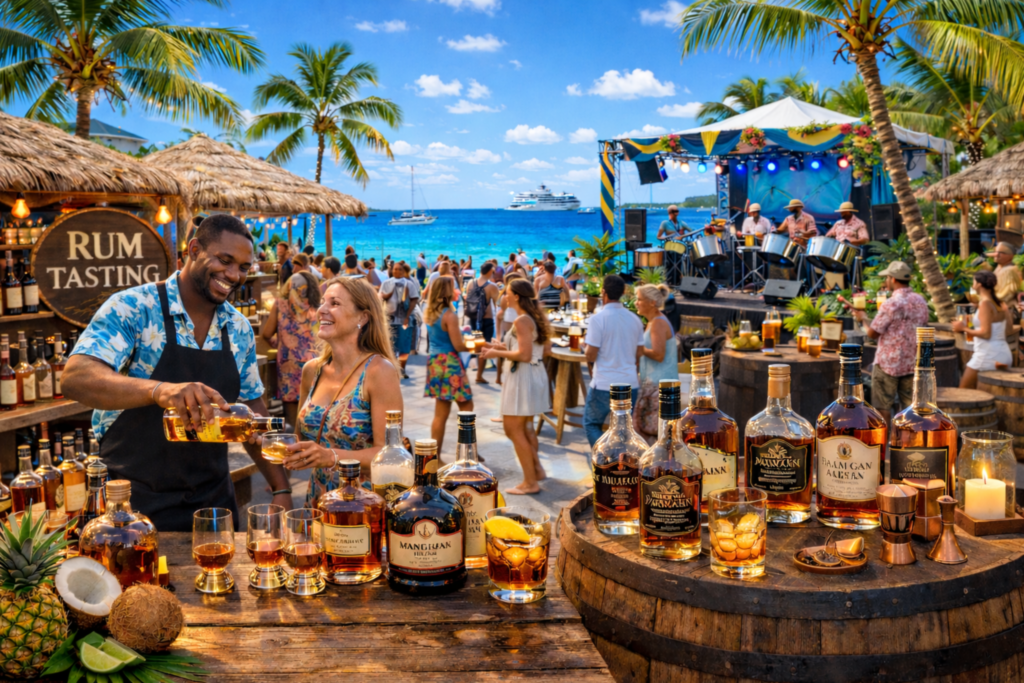
The Bahamas Rum Festival 2026 is set to return to Nassau during the vibrant late-February festival season positioning it as a vibrant celebration of Caribbean rum, Bahamian cuisine, and island culture, bringing together distilleries, mixologists, chefs, and cultural performers in one immersive multi-day event. Known for blending premium rum tastings with culinary showcases, live music, and educational masterclasses, the festival reflects the deep historical and cultural connection between rum and the Bahamas. Hosted in the cultural heart of Nassau, the event offers visitors a dynamic experience that goes beyond tastings – showcasing the role of rum in local traditions, social gatherings, and Caribbean gastronomy. From expertly curated distillery showcases and mixology sessions to Bahamian food pairings and Junkanoo-inspired entertainment, the festival creates an engaging atmosphere where heritage, flavor, and island celebration come together, making it one of the most culturally rich beverage festivals in the Caribbean calendar.
What Is the Bahamas Rum Festival?
The Bahamas Rum Festival is a multi-day cultural and culinary celebration dedicated to one of the Caribbean’s most iconic spirits – rum. Held in Nassau, the festival brings together regional distilleries, mixologists, chefs, musicians, and cultural performers to showcase how rum intersects with Bahamian heritage, cuisine, and island life.
Rather than being a single tasting event, the festival functions as a layered cultural experience. Visitors can sample premium Caribbean rums, attend educational seminars, enjoy Bahamian dishes, and immerse themselves in live music and Junkanoo-inspired entertainment. The festival’s structure blends gastronomy, heritage, and nightlife into one cohesive celebration of island identity.
It also attracts a diverse audience – from casual travelers curious about Caribbean spirits to serious rum collectors and culinary enthusiasts. With Nassau serving as a cultural hub of the Bahamas, the festival naturally reflects the nation’s vibrant traditions, storytelling, and celebratory atmosphere rooted in community gatherings and music-driven events.
Dates and Timing for Bahamas Rum Festival 2026
As of the latest verified event calendars and tourism listings, the Bahamas Rum Festival is typically hosted in Nassau during late February, though exact 2026 dates are usually finalized closer to the event period by organizers.
Historically, the festival spans multiple days, often structured across a long weekend format. Programming generally includes daytime tastings, afternoon masterclasses, and evening cultural performances. This staggered timing allows visitors to experience the event without rush while also exploring Nassau between sessions.
Late February is a strategic window. The weather in the Bahamas is warm yet comfortable, peak winter travel season is still active, and the calendar aligns well with other cultural and culinary events happening in Nassau. Because dates are not fixed far in advance, travelers are strongly advised to monitor official festival announcements and tourism platforms for confirmed scheduling updates before finalizing travel plans.
History & Cultural Significance of Rum in the Bahamas
Rum is deeply intertwined with the history of the Bahamas and the wider Caribbean. Produced from sugarcane byproducts, rum became a central trade commodity during the colonial era and evolved into a cultural symbol of island resilience, craftsmanship, and celebration.
In the Bahamas specifically, rum culture reflects maritime history, trade routes, and the blending of African, British, and Caribbean influences that shaped national identity. Festivals centered on rum are not simply about alcohol – they represent heritage, storytelling, and the social rituals that accompany shared meals, music, and gatherings.
Festival Rum Bahamas has historically highlighted this cultural connection by featuring regional distilleries and educational tastings that showcase rum as both an artisanal product and a historical artifact. The festival’s continued growth demonstrates how rum remains embedded in Bahamian cuisine, commerce, and celebrations, reinforcing its place as a cultural staple rather than just a beverage.
Rum, Food and Island Culture at the Festival
At the Bahamas Rum Festival, rum is not presented in isolation – it is woven directly into the broader fabric of Bahamian food traditions, music, storytelling, and social gatherings. The event is intentionally designed as a celebration of rum, food, and culture, reflecting how the spirit influences local cuisine, commerce, creativity, and celebrations across the islands.
Food plays a central role in shaping the festival atmosphere. Visitors can expect a vibrant mix of Bahamian comfort dishes and contemporary Caribbean cuisine served alongside rum tastings. Traditional flavors such as seafood, tropical fruits, peas and rice, and richly seasoned meats often appear in tasting portions, showcasing how rum is used in marinades, sauces, desserts, and even glazes. In Bahamian cuisine, rum is a common ingredient and flavoring element, used in beverages, desserts, and savory preparations, which naturally reinforces its culinary presence at the festival.
The cultural dimension extends far beyond the food stalls. Live cooking demonstrations frequently show how chefs incorporate rum into sweet and savory dishes, while culinary showcases highlight locally sourced jams, sauces, and rum-inspired creations. Festival programming has historically emphasized creative food displays, chef-led demonstrations, and interactive pairings that connect rum with the evolution of Bahamian culinary heritage.
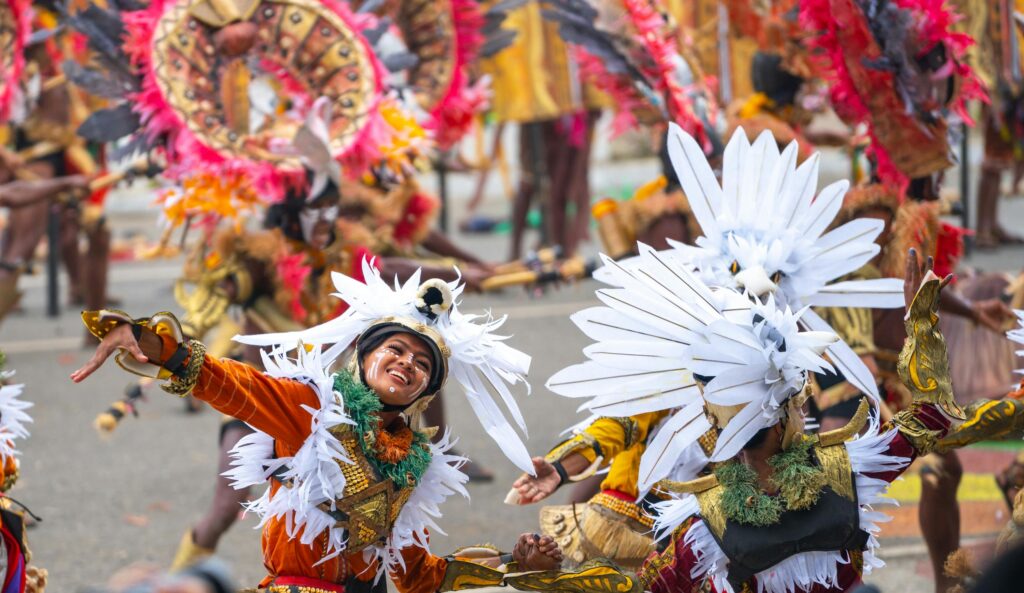
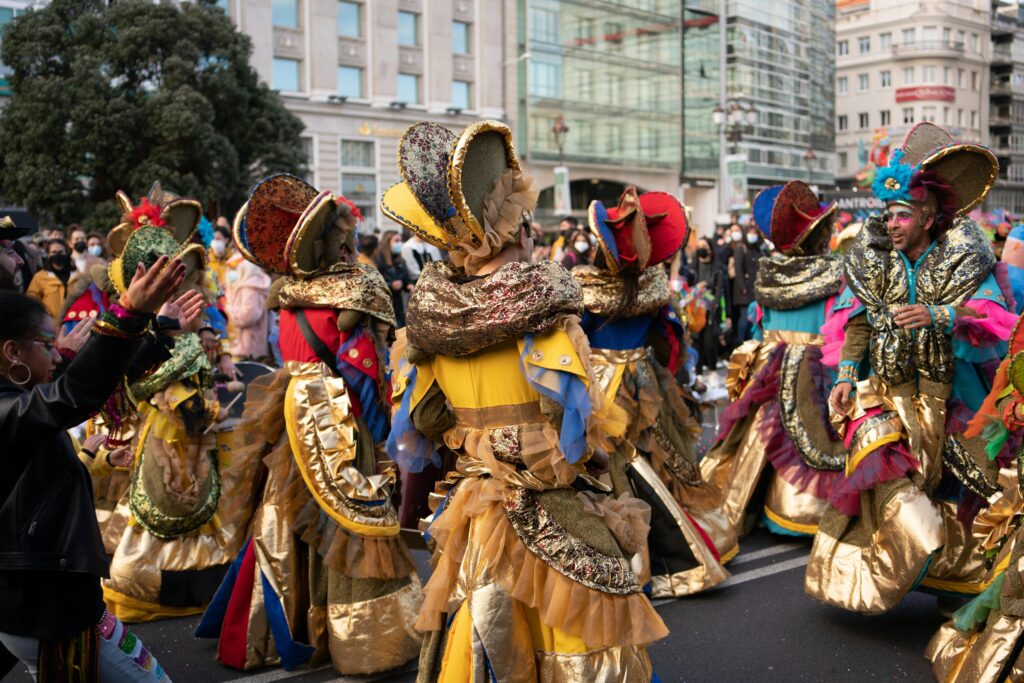
Island culture is equally visible through music and performance. Caribbean rhythms, cultural showcases, and Junkanoo-style entertainment add an energetic layer that transforms the festival into a full cultural experience rather than a formal tasting event. Junkanoo, a traditional Bahamian celebration featuring drumming, dance, and elaborate performance, represents the same communal spirit reflected throughout the festival environment.
Ultimately, the festival atmosphere mirrors everyday Bahamian life – social, flavorful, and celebratory. Guests move fluidly between tasting booths, food vendors, cultural exhibits, and live performances, experiencing firsthand how rum connects with the islands’ heritage, cuisine, and warm hospitality in a single immersive setting.
Location – Nassau & Downtown Culture
The Bahamas Rum Festival is traditionally held in Nassau, the vibrant capital of the Bahamas and the cultural gateway to the archipelago. Hosting the festival in Nassau is intentional – the city blends colonial history, waterfront energy, cruise port activity, and local neighborhood culture into one walkable urban setting. This gives the festival both accessibility and authenticity, placing rum celebrations at the heart of Bahamian daily life rather than isolating them inside a resort environment.
Being centrally located, the festival allows easy access to:
- Nassau Cruise Port
- Downtown Straw Market
- Paradise Island
- Historic forts and museums
This strategic location enhances the visitor experience, enabling attendees to pair festival participation with sightseeing, shopping, and beach excursions within short travel distances.
Downtown Nassau provides a dynamic backdrop for the event. Colorful colonial buildings line Bay Street, local vendors fill open-air markets, and waterfront views stretch toward Paradise Island. When the festival takes place near central Nassau grounds or historic venues, attendees are within easy reach of landmarks such as Fort Charlotte, one of the island’s largest historic forts offering panoramic harbor views. Visitors can also explore the nearby Queen’s Staircase, a limestone staircase carved by enslaved Africans in the 18th century – a powerful historical site that adds context to the island’s colonial-era trade connections, including the rum industry.
Another nearby highlight is the Nassau Straw Market, where local artisans sell handmade crafts, woven goods, and souvenirs. Festival attendees often combine tasting sessions with short walking tours through downtown, stopping at cafés, waterfront bars, or cultural museums between events.
For those staying on Paradise Island, the festival remains easily accessible via a short taxi ride or bridge crossing into Nassau. This flexibility allows visitors to enjoy resort-style accommodations while still engaging in downtown cultural programming.
Rum Tastings & Distillery Showcases
Rum tastings are the core attraction of the Bahamas Rum Festival. Exhibitors typically include local Bahamian distilleries, regional Caribbean producers, and international rum brands presenting premium and limited-edition expressions.
Sampling stations allow visitors to taste a wide spectrum of rum styles – from aged sipping rums and spiced blends to overproof Caribbean varieties. Educational tastings often include guided flavor profiling sessions, where experts explain aging processes, barrel influence, and regional production techniques.
The festival also offers opportunities to purchase featured rums directly from exhibitors, making it appealing to collectors and enthusiasts seeking rare or locally produced bottles not widely available in global markets.
Masterclasses, Mixology & Seminars
Educational programming is a verified and core component of the Bahamas Rum Festival, with official descriptions confirming that the multi-day event includes rum masterclasses, bartending showcases, cocktail competitions, and expert presentations alongside tastings and cultural entertainment.
These sessions transform the festival from a simple tasting event into a knowledge-driven cultural experience where visitors can learn directly from distillers, mixologists, and beverage experts.
Rum Masterclasses
Rum masterclasses typically focus on the history, production, and regional diversity of rum across the Caribbean. Led by industry professionals and brand ambassadors, these guided sessions often walk attendees through tasting techniques, aging processes, barrel influence, and flavor profiling. Participants are encouraged to compare different rum styles – light, aged, spiced, and overproof – while learning how climate, sugarcane origin, and distillation methods shape each expression.
These classes are especially valuable for enthusiasts who want a deeper understanding of Caribbean rum beyond casual sampling. The structured format also allows for curated tastings that highlight premium and limited-edition rums rarely available in standard festival booths.
Mixology Workshops
Mixology workshops are among the most interactive sessions at the festival, focusing on the craft of cocktail creation using Caribbean rum as the base spirit. Official festival programming has historically included bartending showcases and cocktail competitions, reinforcing the importance of mixology within the event experience.
During these workshops, professional bartenders demonstrate signature island cocktails, rum pairings with tropical ingredients, and advanced mixing techniques. Attendees often observe live demonstrations on balancing citrus, bitters, syrups, and aged rum to create refined tropical cocktails. Some sessions may include hands-on elements where participants learn proper mixing ratios, garnishing, and presentation styles inspired by Caribbean bar culture.
Bartending Competitions & Cocktail Showcases
Bartending competitions are a confirmed highlight of the festival’s seminar-style programming, where regional mixologists compete to create innovative rum cocktails judged on flavor, creativity, and presentation.
These showcases offer both entertainment and education, as audiences witness live recipe development, ingredient pairing, and professional cocktail techniques in real time. Judges often evaluate drinks based on balance, originality, and use of Caribbean flavors such as pineapple, coconut, spices, and citrus. The competitive format adds excitement while also spotlighting emerging talent in the Caribbean beverage scene.
Educational Seminars on Rum History & Pairing
Beyond tastings and mixology, the festival also features presentations and seminars exploring rum’s historical and cultural significance in the Caribbean. Verified festival descriptions note opportunities to learn about rum’s heritage, food pairings, and production insights during the event.
These seminars often cover topics such as the evolution of rum-making, the role of rum in Caribbean trade history, and how rum complements traditional Bahamian cuisine. Pairing sessions may include guided tastings with local dishes, explaining how flavor profiles interact with spices, seafood, and tropical ingredients.
Expert Panels and Industry Insights
Select sessions may include expert panels featuring distillers, beverage specialists, and festival exhibitors who discuss trends in the global rum industry. As the festival hosts local, regional, and international rum producers, these discussions provide insight into innovation, sustainability, and premium rum craftsmanship.
For visitors, these panels offer a rare behind-the-scenes perspective on how rum is produced, marketed, and celebrated worldwide, making the festival not only entertaining but intellectually engaging for serious rum enthusiasts and cultural travelers alike.
Bahamian Food Pairings & Culinary Experiences
Bahamian cuisine is an essential pillar of the Bahamas Rum Festival, where food is intentionally curated to complement the diverse profiles of Caribbean rum. Official festival descriptions consistently highlight the inclusion of rum, food, and culture as core elements of the event, reinforcing that tastings are paired with authentic culinary showcases rather than presented in isolation.
- One of the most prominent culinary experiences at the festival is the pairing of rum with classic Bahamian seafood. Dishes such as conch fritters, grilled snapper, cracked conch, and lobster bites are frequently featured because their savory and slightly sweet flavor profiles balance well with aged and spiced rums. Chefs often incorporate rum-based marinades, glazes, and reductions to enhance depth of flavor, demonstrating how the spirit is used in everyday island cooking rather than only in beverages.
- Live cooking demonstrations are another verified aspect of festival programming, where local chefs showcase how rum can be used in both savory and dessert applications. These sessions typically highlight techniques such as rum-flambé sauces, rum-infused barbecue marinades, and tropical rum reductions paired with meats and seafood.
- Dessert pairings also play a significant role in the culinary lineup. Traditional sweets like rum cake, coconut tarts, guava pastries, and bread pudding are commonly paired with aged or dark rums, as the caramel and molasses notes complement the richness of these desserts. Some tasting stations may feature curated dessert-and-rum pairings that emphasize texture, sweetness balance, and aromatic complexity, offering a refined tasting experience for visitors.
In addition to formal pairings, the festival typically features a diverse selection of local food vendors and culinary exhibitors presenting small plates inspired by Bahamian and wider Caribbean cuisine. These food stalls create a dynamic tasting environment where guests can sample multiple dishes while moving between rum booths, cultural displays, and live performances.
Live Music, Junkanoo & Festival Atmosphere
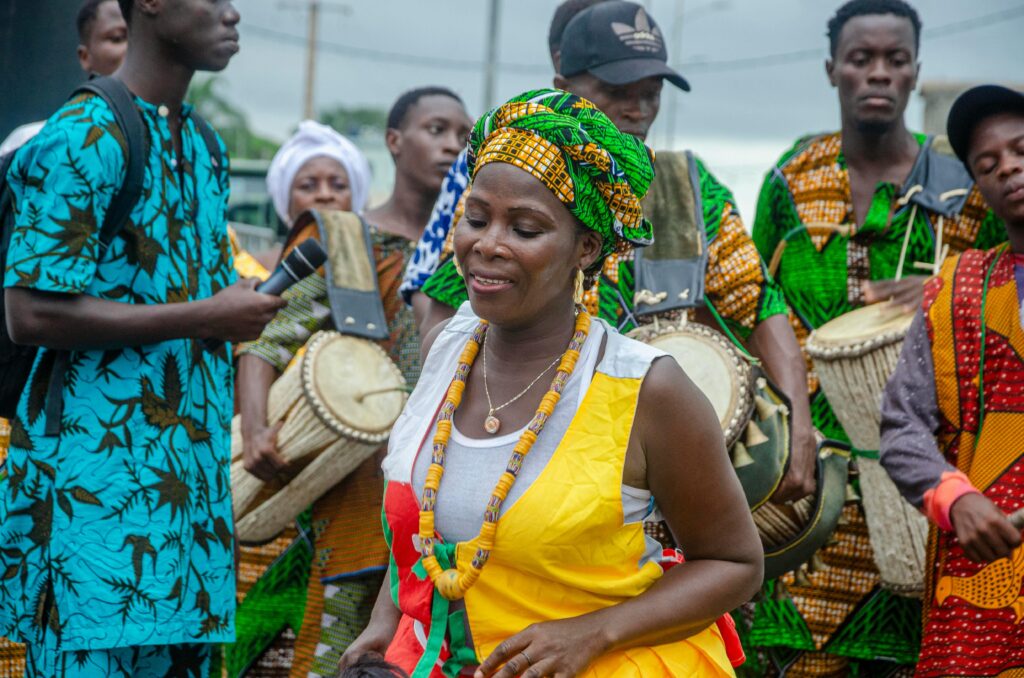
The atmosphere of the Bahamas Rum Festival is distinctly Caribbean – energetic, rhythmic, and culturally expressive. Live music performances, stage shows, and cultural entertainment are standard features of the festival lineup.
Junkanoo-inspired performances, calypso bands, and Caribbean dance showcases contribute to a vibrant, celebratory setting. These elements reflect the broader Bahamian cultural tradition where festivals combine music, dance, and community engagement.
Rather than a formal tasting hall environment, the festival maintains a lively open-air energy where visitors move between tasting booths, food stations, and performance stages throughout the day and evening.
Likely Ticketing and Pricing for Bahamas Rum Festival 2026
While official 2026 ticket pricing has not yet been formally released, previous festival structures suggest tiered ticketing options. These typically include:
- General admission tasting passes
- VIP tasting packages
- Masterclass access tickets
- Multi-day festival passes
Ticket costs generally vary depending on the number of tasting sessions, exclusive access events, and seminar inclusions. Some premium packages may include guided tastings or priority entry to masterclasses.
Due to high demand and limited capacity for educational sessions, early booking is usually recommended once ticket sales open.
Who Should Attend the Rum Festival 2026
The Bahamas Rum Festival 2026 appeals to a wide spectrum of visitors.
- Rum enthusiasts and collectors will appreciate the extensive tastings and distillery showcases.
- Culinary travelers will find value in the food pairings and chef demonstrations.
- Cultural tourists seeking an authentic Bahamian festival atmosphere will enjoy the live music, local vendors, and immersive island energy.
- Even casual vacationers visiting Nassau during the festival period can benefit from attending, as the event offers a curated introduction to Bahamian culture through food, music, and spirits.
Travel Tips – Planning Your Bahamas Rum Festival Trip
Planning ahead is essential to fully enjoy the Bahamas Rum Festival, especially since the event blends tastings, cultural showcases, and evening entertainment across Nassau’s lively festival zones. Unlike single-venue events, this festival often spans multiple sessions and outdoor settings, making smart travel planning key for comfort and convenience. From choosing the right time to visit and selecting a well-located stay to understanding local transportation and climate conditions, a little preparation can significantly enhance your experience. With warm weather, walkable cultural districts, and a festive island atmosphere, organizing your trip thoughtfully ensures you can focus on savoring rum tastings, Bahamian cuisine, and live performances without logistical stress.
When to Visit
For the best experience, plan your trip around late February to early March 2026, which aligns with the typical festival window in Nassau. This period offers warm but pleasant weather, making outdoor tastings and cultural events more enjoyable. It also coincides with peak cultural season in the Bahamas, meaning more events, live entertainment, and culinary programming across the city.
Visitors interested in broader food and drink experiences may also find it convenient to align their travel with other seasonal festivals happening in Nassau.
Booking flights early is recommended, as winter and early spring remain high-demand travel periods for the Bahamas. Arriving at least one day before the festival begins allows time to adjust to the climate and explore downtown Nassau at a relaxed pace.
Where to Stay
Choosing accommodation in or near Nassau ensures the most convenient access to festival venues, cultural sites, and waterfront areas. Staying centrally reduces transportation time and allows you to move easily between tastings, seminars, and evening events.
- Downtown Nassau: Ideal for walkable access to likely festival zones, historic landmarks, and local markets
- Paradise Island: Resort-style stays with beaches, dining, and quick taxi access to downtown
- Cable Beach Area: A quieter alternative with upscale hotels and easy transport connections
Travelers who prefer cultural immersion often choose boutique hotels in downtown, while resort guests may prefer Paradise Island for amenities and post-event relaxation.
Getting Around
Nassau is relatively easy to navigate, especially within the main tourist and festival areas. Many cultural venues and central attractions are located within short driving distances of each other.
- Taxis are widely available and the most reliable option for festival evenings
- Hotel shuttles often operate between resorts and downtown Nassau
- Walking is feasible in central districts during daytime hours
- Ride services and private transfers can be arranged through hotels
For evening events or late-night festival sessions, taxis or pre-arranged transport are strongly recommended to avoid parking challenges and ensure safe return to your accommodation.
What to Bring
Packing thoughtfully enhances comfort during a multi-day rum and cultural festival in a tropical setting. Since events are typically outdoors or semi-open venues, lightweight and practical essentials are key.
- Light, breathable clothing suited for warm Caribbean weather
- Comfortable walking shoes or sandals for festival grounds
- Sunscreen, sunglasses, and a hat for daytime tastings
- Valid ID (required for rum tastings and entry sessions)
- A small crossbody bag for essentials, cash/card, and souvenirs
- Reusable water bottle to stay hydrated between tastings
Because rum tastings can be stronger in warm climates, pacing yourself, staying hydrated, and eating between sessions will help you enjoy the festival comfortably from start to finish.
Savor the Spirit of the Bahamas in One Unforgettable Festival
In essence, the Bahamas Rum Festival 2026 offers far more than a traditional tasting event – it is a vibrant cultural celebration where rum, cuisine, music, and Bahamian heritage come together in one immersive experience. Set against the dynamic backdrop of Nassau, the festival invites visitors to explore premium rum tastings, educational masterclasses, authentic food pairings, and lively Junkanoo-inspired entertainment within a warm island atmosphere. From understanding the historical significance of rum in Caribbean culture to enjoying expertly crafted cocktails and local culinary specialties, the festival delivers both depth and enjoyment for travelers and enthusiasts alike. With thoughtful planning, convenient accommodations, and a well-paced itinerary, attending the Bahamas Rum Festival becomes not just a visit to an event, but a meaningful cultural journey that captures the spirit, flavor, and festive energy of the Bahamas.