
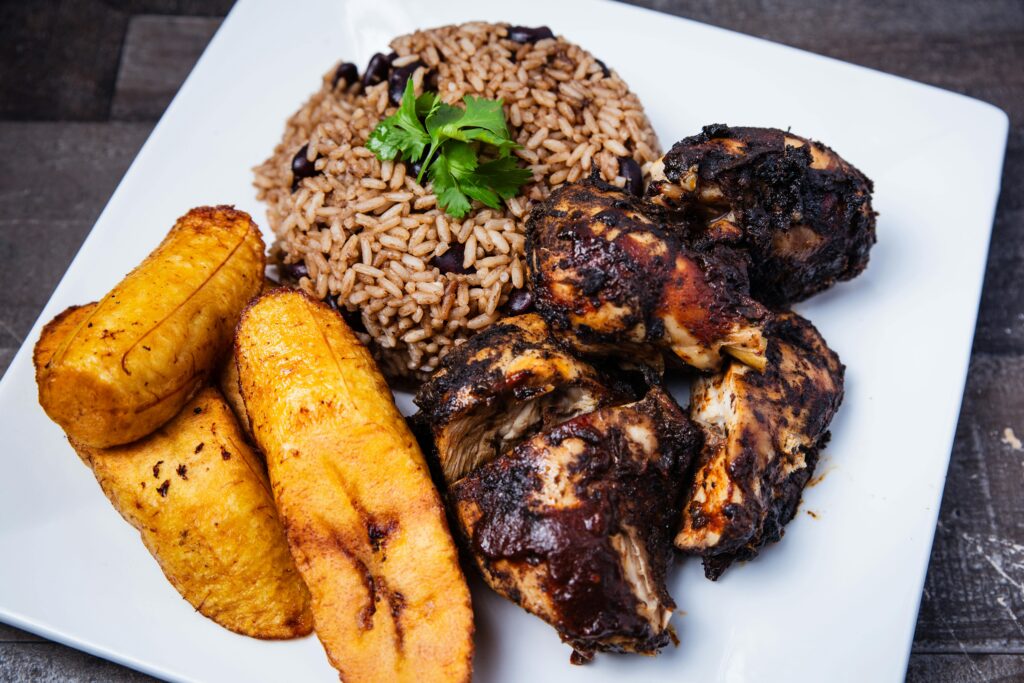
Caribbean food is often described as vibrant, spicy, or soulful-but these words barely scratch the surface. What exists across the Caribbean is not a unified cuisine, nor a neatly blended fusion. It is something far more complex and far more human: a collection of food traditions born from displacement, adaptation, memory, and survival.
Every Caribbean dish carries a reason for existing. Ingredients were chosen not for luxury, but for resilience. Cooking methods evolved not from preference, but from necessity. Over generations, scarcity gave way to creativity, and survival slowly transformed into celebration.
To understand Caribbean food is to understand the region itself-not as a paradise frozen in time, but as a living, breathing cultural landscape shaped by history and identity.
Food as Evidence, Not Ornament
Caribbean cuisine was never ornamental. It was never meant to impress. It was meant to sustain.
Across the islands, food developed under conditions of forced migration, plantation economies, and limited access to resources. Enslaved Africans, Indigenous communities, indentured laborers, and colonizers all shaped what was eaten-but not on equal terms. Power decided rations. Land decided availability. Culture decided what endured.
What emerged were dishes that prioritized nourishment, preservation, and adaptability. One-pot meals, slow cooking, heavy seasoning, and starch-forward plates were not stylistic choices. They were survival strategies.
This is why Caribbean food feels deeply grounded. It was built from the ground up-literally and historically.
African Foundations – Memory Cooked Slowly
The strongest throughline in Caribbean food culture comes from Africa-not as a single influence, but as a preserved culinary memory. Techniques such as slow simmering, layered seasoning, stewing, and communal cooking reflect African food traditions carried across the Atlantic under unimaginable conditions. Ingredients changed, but methods endured. Okra replaced familiar greens. Local yams stood in for those left behind. Cooking became an act of remembrance.
In places like Jamaica, these traditions remain visible in everyday meals-dishes built around depth rather than excess, patience rather than speed. Flavor is developed over time, not added at the end. Food became one of the few spaces where identity could survive intact. Recipes were not written down, they were lived, shared and protected.
Indigenous Knowledge Beneath the Surface
Before European contact, Indigenous peoples cultivated the Caribbean landscape with precision. They understood how to grow cassava, maize, peppers, and root vegetables in challenging environments. They developed techniques for detoxifying cassava, baking flatbreads, and preserving food without modern tools.
Cassava remains one of the Caribbean’s most enduring staples-not because it is trendy, but because it is reliable. Its presence across islands speaks to Indigenous ingenuity that continues to feed communities centuries later.
In regions such as Dominican Republic, Indigenous influence persists quietly, embedded in everyday cooking rather than highlighted as heritage. The absence of recognition does not diminish its importance; it underscores how foundational it truly is.
Colonial Reshaping and Culinary Control
Colonial powers did not simply introduce new ingredients-they reorganized food systems.
Sugar plantations, salt preservation, imported grains, and rationed proteins reshaped how people ate. Salted fish and cured meats became staples not because they were preferred, but because they were accessible. Over time, these ingredients were reclaimed, seasoned, and transformed into defining elements of Caribbean cuisine.
French culinary structure influenced islands like Martinique, where sauces, technique, and presentation reflect European frameworks adapted to tropical produce. British colonial presence shaped baking traditions, puddings, and meal patterns across several islands-reinterpreted through local ingredients and tastes.
What makes Caribbean food remarkable is not imitation, but reinvention. Colonial ingredients were absorbed, altered, and made unmistakably Caribbean.
The Second Wave – Indian and Asian Continuities
The arrival of indentured laborers introduced new dimensions to Caribbean cooking, particularly in islands like Trinidad and Tobago. Curries, flatbreads, lentils, and spice blends did not remain separate culinary identities. They adapted to Caribbean soil, climate, and ingredients. Local peppers replaced imported chilies. Coconut milk softened spices. Cooking techniques shifted to accommodate what was available. These dishes were not assimilated-they evolved. Today, they are foundational, not foreign. Caribbean curry tastes the way it does because history demanded adaptation.
Haiti – Cuisine as Continuity and Resistance
In Haiti, food carries a distinct emotional weight. Haitian cuisine reflects endurance through revolution, isolation, and economic hardship. Meals are deeply symbolic, rooted in ancestry and community. Dishes are built for sharing, for honoring, for remembering. Cooking is rarely rushed. Preparation itself is part of the ritual. Flavor is layered, intentional, and unapologetic. Here, food is not separate from identity. It is one of its strongest expressions.
Why Caribbean Dishes Exist
Every Caribbean dish answers a question:
- How do we feed many with little?
- How do we preserve food without refrigeration?
- How do we restore dignity through flavor?
- How do we maintain culture under pressure?
Salted fish exists because preservation mattered. One-pot meals exist because fuel was scarce. Root vegetables dominate because they thrived when other crops failed. Heavy seasoning exists because food had to nourish more than the body. Understanding this reframes the entire culinary experience. These dishes are not rustic by chance. They are deliberate.
The Fallacy of a Single “Caribbean Flavor”
The idea of one “Caribbean flavor” oversimplifies a region shaped by different histories, landscapes, and cultures. Each island developed its own culinary logic-based on colonial influence, local agriculture, migration, and survival. Spice levels, cooking techniques, and ingredients vary widely, even between neighboring islands. Caribbean food was never meant to be uniform. Its richness lies in difference, adaptation, and the refusal to be reduced to a single taste.
There is no universal Caribbean palate. A meal in Barbados reflects maritime traditions and British culinary structure. Food in Grenada is shaped by spice cultivation and volcanic soil. Cuisine in Cuba reflects adaptation under long-term constraint and ingenuity. Shared ingredients do not create sameness. Context does everything.
Top 10 Dishes That Define Caribbean Food-Without Defining It
Caribbean cuisine cannot be summarized through a checklist. Still, certain dishes appear repeatedly across islands-not because they are popular, but because they are foundational. Each one reflects how people adapted to land, labor, limitation, and legacy. These foods are not symbols; they are continuations.
Rice and Peas (or Rice and Beans)
Rice and peas is not a side dish-it is a structure. Built on African cooking logic and colonial-era rations, this dish combines grains and legumes to create nourishment that lasts. Coconut milk, herbs, and slow cooking turn simplicity into depth. Variations differ island to island, but the purpose remains the same: sustenance with dignity. It appears at both everyday meals and major celebrations, grounding the table.
Saltfish
Saltfish exists because preservation once mattered more than preference. Imported as a durable protein, it was transformed through soaking, seasoning, and creativity. Today, it is folded into breakfasts, stews, and fritters across the region. Its sharpness balances starch-heavy plates, while its history reflects how Caribbean kitchens reclaimed limited ingredients. Saltfish tells a story of adaptation rather than indulgence.
Callaloo
Callaloo is not a single recipe-it is a concept. Built around leafy greens, okra, coconut milk, and aromatics, it reflects African culinary memory adapted to Caribbean soil. Sometimes thick like a stew, sometimes smooth like a soup, callaloo is deeply communal food. It is cooked slowly, often in large pots, and shared generously. Its nourishment is both physical and cultural.
Roti
Roti represents the Caribbean’s layered migration history. Introduced through indentured labor, it evolved into something entirely regional. The flatbread acts as both utensil and plate, wrapping curries, vegetables, and proteins into a complete meal. Caribbean roti is less about spice intensity and more about balance. It reflects how traditions survive by adapting, not remaining static.
Stewed Chicken
Stewed chicken appears across islands because it answers multiple needs at once. It stretches protein, deepens flavor, and feeds many. Browning meat before slow cooking creates richness without excess. Seasoning is layered-not rushed-and varies by household. This is not restaurant food; it is home food. Its importance lies in repetition, not spectacle.
Ground Provisions
Ground provisions-yam, cassava, sweet potato, breadfruit, and dasheen-form the backbone of Caribbean meals. These crops thrive where others fail, making them historically essential. Boiled, roasted, or mashed, they provide stability on the plate. Their presence reflects Indigenous knowledge and agricultural resilience. They are filling, dependable, and deeply rooted in place.
Pepper Pot-Style Stews
Across the Caribbean, long-simmered stews built on meat, greens, and spices appear under different names. These dishes are slow, deliberate, and often reserved for gatherings or holidays. The extended cooking time allows flavors to deepen naturally. Pepper pot-style dishes blur the line between food and ritual, carrying both nourishment and meaning.
Fried Plantains
Plantains bridge the gap between starch and sweetness. Fried when ripe or green, they accompany nearly every type of meal. Their versatility makes them essential. Plantains were introduced through African migration and became indispensable due to their adaptability. They balance salt-heavy dishes and soften spice. Simple in appearance, they are quietly central.
Fish Cooked Close to the Sea
Fish dishes vary widely, but they share a closeness to environment. Preparation depends on what is caught, not what is planned. Steamed, fried, or stewed, fish meals often include minimal embellishment. Herbs, citrus, and heat enhance rather than overwhelm. These dishes reflect immediacy and respect for ingredients rather than culinary display.
Festival and Fried Dough Traditions
Across islands, fried dough appears in different forms-sometimes sweet, sometimes savory. These foods are tied to gatherings, street life, and celebration. They are eaten with hands, shared casually, and remembered emotionally. Fried dough traditions remind us that Caribbean food is not always about survival-it is also about joy.
Eating With Awareness
Engaging with Caribbean food requires attentiveness. Some dishes are celebratory. Others are tied to mourning, ritual, or remembrance. Many recipes are guarded not out of secrecy, but respect.
To eat well in the Caribbean is to listen-to the person cooking, to the place, to the history embedded in the meal. Understanding deepens appreciation. Appreciation transforms experience.