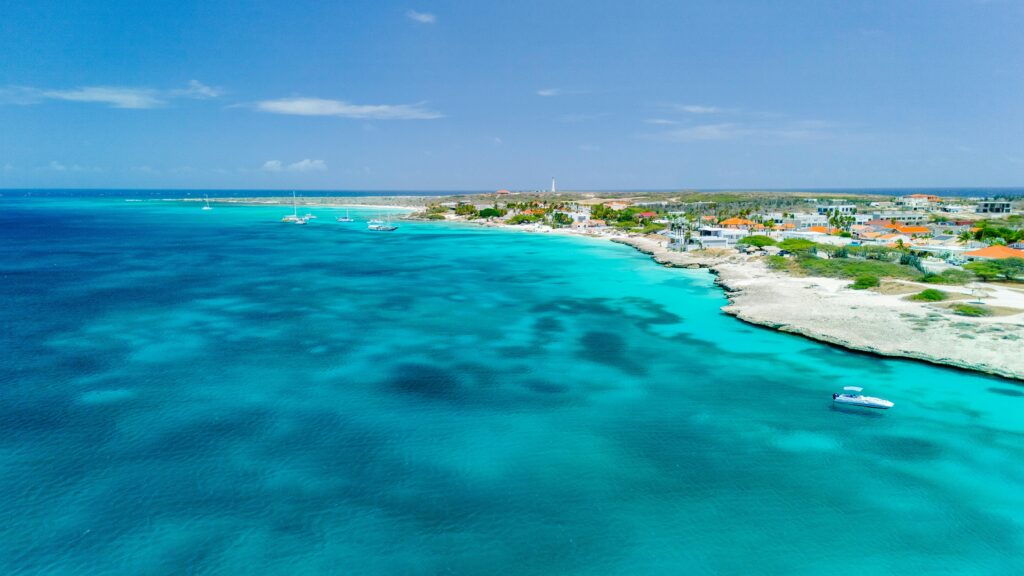
Aruba is often associated with white-sand beaches and turquoise waters, but beyond the well-known shorelines lies a landscape shaped by wind, waves, coral, and ancient volcanic forces. From rugged limestone cliffs and hidden coves to desert hills, caves, and naturally formed pools, the island reveals a striking mix of environments that many travelers never see. These 30 real and visitable natural wonders highlight both famous landmarks and lesser-known gems, offering visitors from the USA and the UK a deeper look at Aruba’s raw and authentic beauty. Each location reflects how nature has shaped the island over time, creating scenes that feel dramatic, peaceful, and unforgettable.
Natural Wonders That Make Aruba Unique
Natural Pool (Conchi)
Hidden along Aruba’s rugged northeastern coast, the Natural Pool is a volcanic rock formation shaped by centuries of crashing waves and coastal erosion. Over time, nature carved a basin in the stone that now fills with fresh ocean water, creating a calm swimming area protected from rough seas. What makes it famous is its remote location and dramatic setting inside Arikok National Park. The surrounding rocks act as a natural barrier, forming a peaceful oasis amid powerful surf. It is a striking example of how Aruba’s coastline has been sculpted entirely by the force of the ocean.
Natural Bridge Ruins
Once one of the largest natural bridges in the Caribbean, this limestone formation was created by wind and wave erosion over thousands of years. Although the main arch collapsed in 2005, the remaining structure still reveals how nature shaped massive rock formations through constant pressure from the sea. Visitors come to witness the raw power of natural change and geological time. The site remains famous because it shows that even monumental natural landmarks evolve. It stands as a reminder that nature is always in motion.
Ayo Rock Formations
The Ayo rock formations are massive granite boulders that appear to be stacked by hand, but they are entirely natural. These rocks were formed deep underground by volcanic activity and later exposed by erosion. Over time, wind and rain smoothed their surfaces, giving them their rounded appearance. What makes Ayo special is its maze-like layout, with narrow passages and hidden nooks. It feels like a natural sculpture garden shaped by time.
Casibari Rock Formations
Casibari is one of Aruba’s most visually striking landscapes, made up of towering diorite boulders that rise dramatically from the desert floor. These rocks were formed by ancient volcanic processes and later shaped by erosion. Visitors climb winding paths that lead to panoramic viewpoints. The formation looks otherworldly, as if it belongs on another planet. It is a perfect example of how Aruba’s volcanic past shaped its rugged beauty.
Hooiberg Hill
Hooiberg is a volcanic hill that rises abruptly from Aruba’s otherwise flat terrain. Formed millions of years ago by volcanic activity, it remains one of the island’s most prominent natural landmarks. The hill is famous for its staircase of over 500 steps that leads to breathtaking 360-degree views. From the top, you can see both coasts of the island. It shows how Aruba’s landscape was shaped by ancient geological forces.
Arikok National Park
Arikok National Park covers nearly 20 percent of Aruba and protects some of the island’s most dramatic natural landscapes. The park features desert hills, limestone cliffs, hidden beaches, volcanic rock formations, and natural pools, all shaped by wind and ocean erosion over thousands of years. What makes it famous is how wild and untouched it feels compared to Aruba’s resort areas. Travelers can hike, explore caves, and drive through rugged terrain. It shows Aruba’s raw and untamed side.
Quadirikiri Cave
Quadirikiri Cave is a naturally formed limestone cave created by water erosion and underground air pockets. Over centuries, rainwater carved hollow chambers into the rock, forming skylight openings that now allow sunlight to stream in. This creates glowing pools of natural light inside the cave. It is famous for its bright interior and peaceful atmosphere. Travelers can walk inside and experience the contrast between Aruba’s harsh desert and this cool, hidden world.
Fontein Cave
Fontein Cave is one of Aruba’s largest and most accessible caves, formed by natural erosion of limestone over thousands of years. It contains ancient rock carvings and mineral formations created by dripping water. The cave remains cool year-round, making it a refreshing stop inside Arikok National Park. It is famous for its size, history, and natural architecture. This is where geology and cultural heritage meet.
Huliba Cave (Tunnel of Love)
Huliba Cave is a small but famous limestone cave naturally carved by rainwater and underground streams. Over time, erosion created a heart-shaped opening that gave the cave its nickname, the Tunnel of Love. This unique shape makes it one of Aruba’s most photographed natural features. Visitors can walk through and look out from inside the heart-shaped frame. It proves how even small natural formations can become iconic.
California Dunes
The California Dunes are rolling sand hills formed by wind erosion along Aruba’s northwestern coast. Unlike tropical beaches, these dunes feel more like a desert landscape shaped by constant trade winds. Over time, sand from coral and shells was blown inland, creating this shifting terrain. They are famous for their wild, open feel and dramatic ocean views. Travelers often stop here to take in Aruba’s rugged beauty.
Boca Prins
Boca Prins is a dramatic beach located along Aruba’s wild northeastern coastline inside Arikok National Park. This shoreline was shaped by powerful Atlantic waves crashing against limestone cliffs over thousands of years. The sand dunes behind the beach were formed by constant trade winds carrying coral sand inland. What makes Boca Prins famous is its raw, untamed look and cinematic scenery. It feels completely different from Aruba’s calm resort beaches.
Dos Playa
Dos Playa consists of two connected beaches carved into Aruba’s rugged coastline by wave erosion. The constant movement of the ocean shaped these twin coves into curved shorelines surrounded by cliffs. Strong winds and surf give this area a wild personality. It is famous for its dramatic views rather than swimming conditions. Travelers come here to experience the island’s natural power and wide open landscapes.
Daimari Beach
Daimari Beach is a quiet, crescent-shaped shoreline formed by long-term coastal erosion and shifting sand deposits. Located on Aruba’s north coast, it feels untouched and peaceful. The beach is backed by rocky hills that protect it from heavy development. What makes it special is its remote atmosphere and natural simplicity. It is a favorite for travelers seeking solitude.
Andicuri Beach
Andicuri Beach sits in a naturally carved cove surrounded by rocky cliffs. Over time, waves and wind sculpted the stone walls that now frame this hidden shoreline. The sand here is coarse and golden, shaped by constant ocean movement. It is famous for its secluded feel and dramatic setting. This beach shows how Aruba’s coastline was shaped by force rather than calm.
Baby Beach
Baby Beach is a shallow lagoon formed by a natural coral barrier that blocks strong ocean currents. This barrier allows sand to settle, creating calm, crystal-clear waters. What makes it famous is its bright turquoise color and gentle swimming conditions. Unlike Aruba’s rugged east coast, this beach shows the softer side of nature’s design. It feels like a natural swimming pool created by the sea itself.
Mangel Halto Mangroves
Mangel Halto is a naturally protected mangrove-lined shoreline on Aruba’s quieter southern coast. Over time, coral reefs formed offshore, breaking the waves and allowing mangroves to take root in calm, shallow waters. This created a peaceful lagoon-like environment filled with marine life. It is famous for its clear snorkeling conditions and tranquil atmosphere. Travelers love it because it feels secluded yet easy to access.
Spanish Lagoon
Spanish Lagoon is a sheltered bay created by natural coral barriers and mangrove growth. These elements protect the water from strong currents, forming a calm, glassy surface. Over time, sediment built up, creating shallow flats rich in birdlife. It is famous for its peaceful kayaking routes and wildlife spotting. This is one of the best places to see Aruba’s softer, greener side.
Boca Grandi
Boca Grandi is a wide-open beach formed by centuries of strong trade winds and ocean currents shaping the sand into long, smooth curves. The waves here are powerful, which makes it unsuitable for swimming but perfect for kite surfing. It is famous for its dramatic energy and wild beauty. The constant wind and surf show how nature controls this part of the island. It feels raw and untamed.
Arashi Beach
Arashi Beach was formed where natural coral reefs calm the water, allowing fine sand to collect along the shore. Over time, this created a gentle, curved beach with crystal-clear water. It is famous for its relaxed atmosphere and easy snorkeling conditions. Unlike the resort-heavy areas, Arashi still feels natural and open. Travelers love it for its simplicity and beauty.
Boca Catalina Reef
Boca Catalina is a naturally formed coral reef system close to shore, created by centuries of coral growth and wave movement. This reef protects the beach from strong currents, making the water calm and clear. It is famous for snorkeling straight from the shoreline. The underwater landscape feels like a living aquarium. It is one of the easiest ways for travelers to experience Aruba’s marine life.
Bubali Bird Sanctuary
Bubali Bird Sanctuary is a natural wetland created by low-lying terrain that collects rainwater and runoff from nearby areas. Over time, reeds, mangroves, and aquatic plants took root, forming a peaceful ecosystem for birds and wildlife. It is famous for being a calm nature escape close to Aruba’s busy hotel zone. Travelers enjoy the contrast between resort life and quiet birdwatching here. It shows how even small natural spaces can thrive.
Eagle Beach Dunes
Eagle Beach is not just famous for its soft white sand but also for its naturally formed dunes. These dunes were created by centuries of wind carrying crushed coral and shell fragments inland. The raised sand mounds protect the beach from erosion while adding a wild, natural look. Sea turtles often nest here, making it ecologically important. Travelers love its open, untouched feel despite its popularity.
Blackstone Beach
Blackstone Beach stands out because of its dark volcanic stones, which are rare in Aruba’s mostly pale coastline. These rocks were shaped by ancient volcanic activity and later smoothed by waves. The contrast between black stone and turquoise water is striking. It is famous for its unusual color and dramatic scenery. This beach shows Aruba’s geological diversity.
Frenchman’s Pass
Frenchman’s Pass is a narrow coastal route shaped by erosion from sea winds and ocean spray. Over time, the rocks were smoothed and carved into layered limestone formations. It offers wide views of the Caribbean Sea and feels far removed from busy tourist areas. It is famous for its peaceful atmosphere and scenic beauty. This area shows how Aruba’s coast has been slowly sculpted by nature.
Seroe Colorado Cliffs
The Seroe Colorado coastline features rugged cliffs created by millions of years of wave erosion and tectonic movement. The land here rises sharply from the sea, forming dramatic viewpoints. This area is known for strong winds, crashing waves, and wide-open skies. It is famous for feeling wild and untouched. Travelers come here for dramatic photos and quiet reflection.
Alto Vista Chapel Hill Landscape
The Alto Vista area sits on a naturally elevated limestone ridge shaped by erosion and wind over thousands of years. The surrounding land feels open, dry, and peaceful, offering wide views of Aruba’s northern coastline. What makes this spot famous is its calm, spiritual atmosphere combined with scenic desert beauty. The terrain reflects Aruba’s arid climate and ancient coral foundations. It is a place where nature feels gentle and reflective.
Bushiribana Gold Mill Ruins and Coastal Rocks
The area around Bushiribana features rugged limestone formations carved by relentless ocean winds and waves. These rocks were shaped naturally long before the historic gold mill ruins were built nearby. The coastline here is dramatic, loud, and powerful. It is famous for its wild beauty and sense of isolation. This spot shows how Aruba’s shoreline has been sculpted entirely by nature’s force.
Wariruri Natural Bridge Cove
Wariruri is a hidden coastal inlet formed by centuries of wave erosion pushing through limestone cliffs. The natural bridge structure and nearby blowholes were carved as seawater forced its way through cracks in the rock. This area feels raw and energetic, with strong ocean movement and misty sea spray. It is famous for its dramatic geology. Travelers love it for its untamed look.
Savaneta Mangrove Coastline
Along Aruba’s southern shore near Savaneta, calm waters allowed mangroves to grow naturally over time. These trees stabilized the shoreline, creating shallow lagoons and quiet coves. This area is famous for its peaceful snorkeling and birdlife. The mangroves act as a natural nursery for marine species. It shows how Aruba’s softer ecosystems developed away from crashing waves.
Aruba’s North Coast Limestone Cliffs
Aruba’s north coast is one continuous natural wonder, formed by centuries of wind, salt spray, and pounding Atlantic waves. The limestone here has been carved into jagged edges, blowholes, and sculpted shelves. This side of the island feels wild and cinematic. It is famous for its raw beauty and endless ocean views. This is Aruba in its most natural, untamed form.
Aruba’s beauty is not limited to its postcard-perfect beaches. Across the island, nature has carved cliffs, shaped caves, formed lagoons, and sculpted landscapes that reveal its wild and timeless character. Experiencing these natural wonders allows travelers to connect more deeply with the island, beyond the usual tourist highlights. Whether standing on a windswept coastline, exploring a hidden cave, or relaxing beside a naturally formed pool, these places show how Aruba’s true charm lies in the land itself.