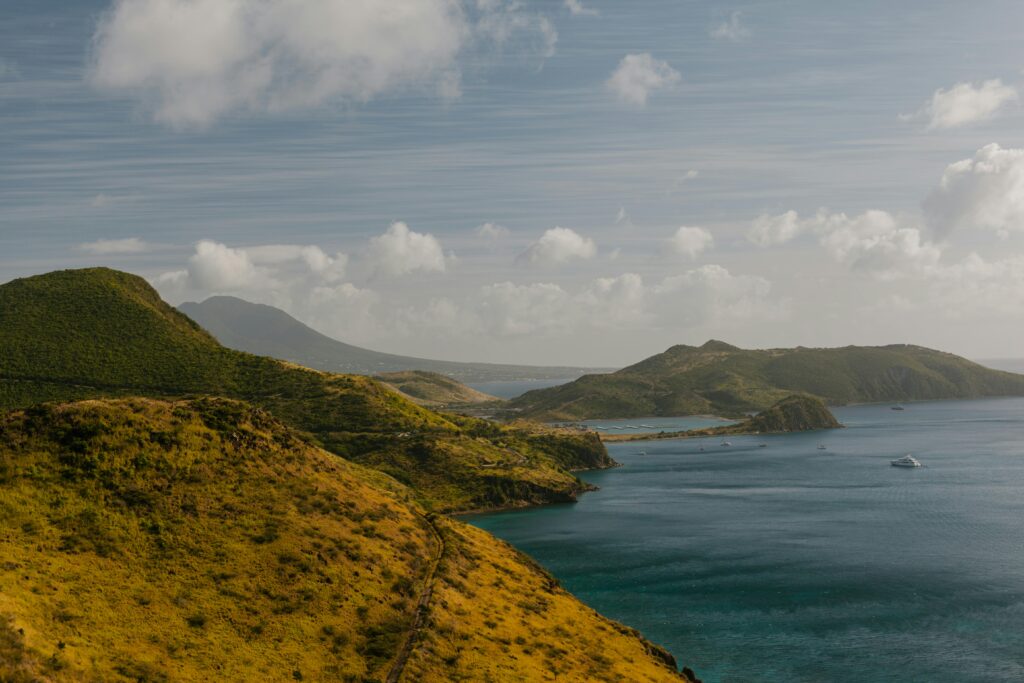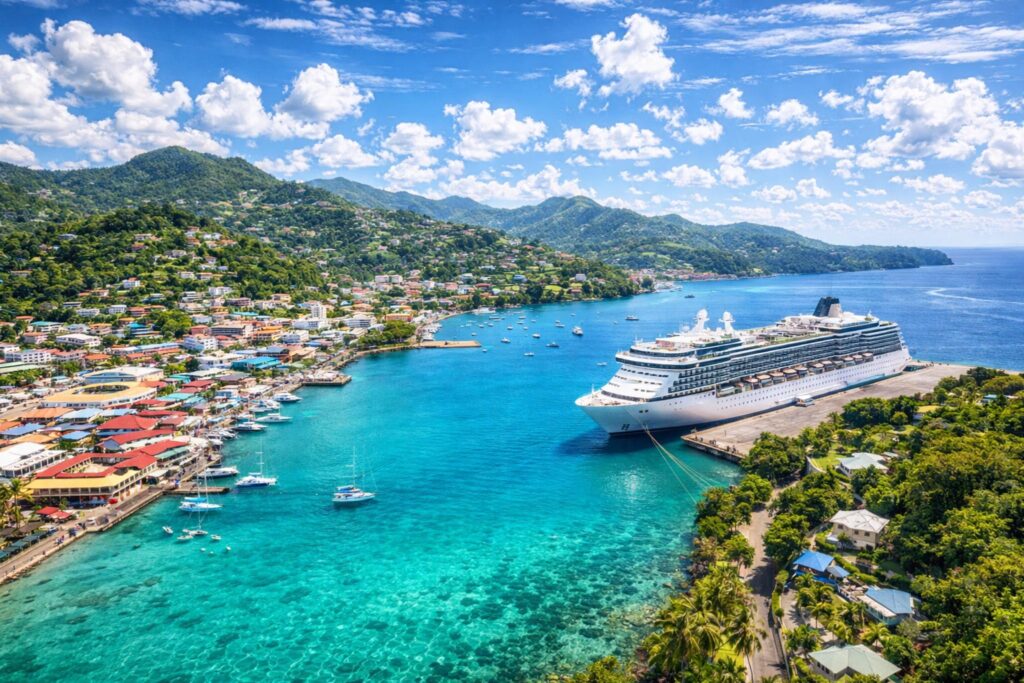
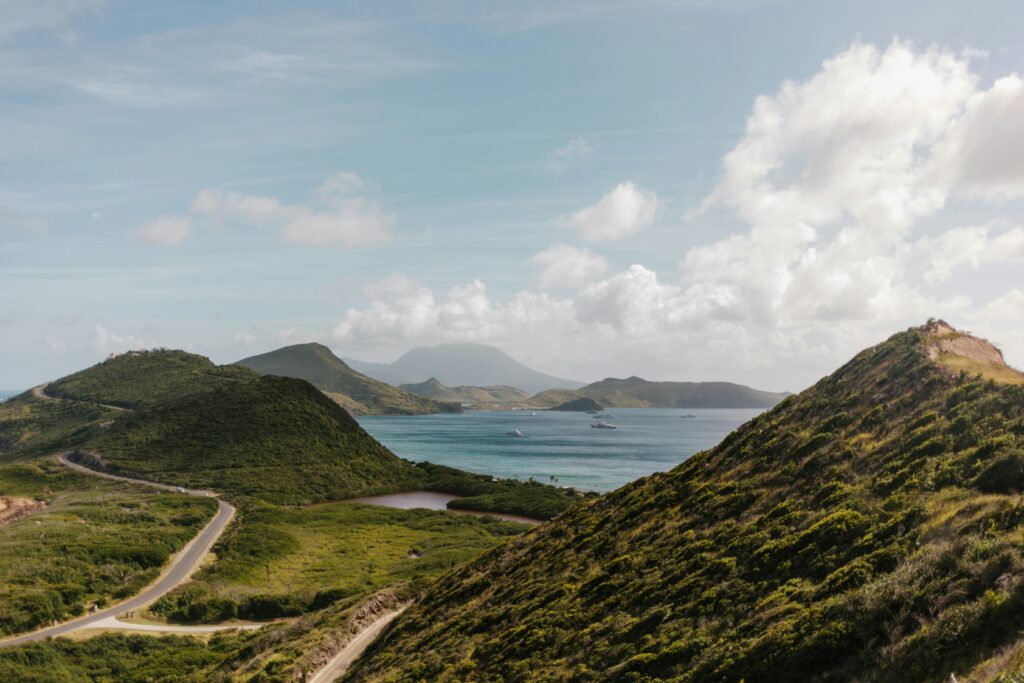
St. Kitts is often introduced through a familiar lens-beaches, forts, and cruise-day highlights. But the island’s true character lives elsewhere, in places that are not curated or announced. It reveals itself slowly, through quiet coastlines, forgotten paths, working villages, and landscapes shaped more by memory than by tourism.
This journey is for those who prefer listening over rushing, observation over spectacle. These are not attractions designed to impress at first glance. They are less-traveled experiences that reward patience and curiosity. Together, they form a deeper portrait of St. Kitts-one shaped by land, labor, and continuity rather than convenience.
Wander the Old Road Where Sugar Once Moved the Island
Before paved highways reshaped the coastline, the Old Road served as the artery of colonial St. Kitts. Today, fragments of it remain-quiet stretches where stone walls, overgrown ruins, and abandoned sugar infrastructure blend into the landscape.
Walking here feels intimate and unfiltered. You’ll pass through small settlements, see goats resting where carts once rolled, and encounter remnants of an economy that defined the island for centuries. This is history without plaques-absorbed through atmosphere rather than explanation.
Discover Black Rocks Along the Western Coast
Along the western shoreline, ancient volcanic formations known locally as the Black Rocks rise sharply from the sea. Sculpted by waves and time, the rocks create a dramatic contrast against the water-raw, powerful, and entirely unsheltered.
There are no facilities here, no crowds, no curated experience. Just wind, surf, and geology. It’s a place best visited quietly, where the island feels elemental rather than idyllic.
Follow an Unmarked Rainforest Trail on Mount Liamuiga’s Lower Slopes
While most visitors think of Mount Liamuiga as a single guided climb, the mountain’s lower rainforest offers something more subtle. Narrow, unmarked trails used by locals wind through dense vegetation, fruit trees, and old farm clearings reclaimed by nature.
Here, the air changes. Sounds soften. You may encounter farmers tending small plots or hear stories passed down through generations. This is not about reaching a summit-it’s about entering the island’s green interior, where time feels less urgent.
Spend an Afternoon in Dieppe Bay Village
On the island’s northern Atlantic coast, Dieppe Bay moves at its own pace. Fishing boats rest along the shore. Children play near the water. Life unfolds without schedule or spectacle.
Spend time here without an agenda. Sit near the shoreline. Speak with residents. Watch the sea change color as clouds move overhead. It’s one of the few places where St. Kitts feels untouched by outside expectations-an island living for itself.
Find a Forgotten Sugar Estate Deep Inland
Scattered across St. Kitts are sugar estates slowly dissolving into the landscape. Some lie far from main roads, accessible only by footpaths or gravel tracks. Stone chimneys stand without context. Walls are half-swallowed by vines.
Visiting one of these estates feels personal, even solemn. They are not restored or curated. They remain as they were left-silent witnesses to labor, wealth, and loss. This is where the island’s past feels closest.
Swim at a Beach Without a Name
Not every beach in St. Kitts has a sign-or a name. Along the island’s less-traveled stretches are small coves of dark sand and mixed stone, where locals swim after work and fishermen pull boats ashore.
Ask someone where they go “when they want quiet”, and follow the directions carefully. These beaches offer no services, no rentals, no crowds-just water, space, and privacy. The reward is not scenery alone, but solitude.
Explore the Windward Coast at Sunrise
The Atlantic-facing side of St. Kitts is often overlooked, yet it holds some of the island’s most striking moments. At sunrise, light breaks across rough waters and cliffs, illuminating landscapes that feel entirely separate from the calmer Caribbean coast.
This side of the island feels exposed and honest-shaped by wind, tide, and endurance. Early morning visits reveal a raw beauty rarely seen by casual visitors.
Visit a Local Rum Shop After Dark
St. Kitts’ rum shops are not nightlife venues-they are social spaces. Small, informal, and unpretentious, these spots come alive in the evening with conversation, music, and storytelling.
Choose one outside the main tourist areas. Order simply. Listen more than you speak. These moments offer insight into local rhythm, humor, and perspective that no attraction can replicate.
Walk Through Basseterre’s Backstreets
Most people pass through Basseterre quickly, missing its quieter layers. Step away from the main streets and you’ll find residential lanes, pastel houses, community shops, and everyday life unfolding without urgency.
This is where the city reveals itself-not as a destination, but as a lived-in place. Architecture, conversation, and routine tell a story far richer than monuments.
End the Day Where Land Meets Two Seas
At certain points around the island, the Caribbean Sea and Atlantic Ocean appear almost to meet-distinct in color and movement. Standing here as the day fades offers a powerful reminder of St. Kitts’ geographic and cultural position.
It is an island shaped by currents-natural and historical. Watching the waters shift under a setting sky feels like a quiet conclusion to a day spent truly seeing the island.
Explore the Forgotten Coastline Near Saddlers Village
The coastline near Saddlers Village remains overlooked because it sits far from resort routes and cruise-day itineraries. The sea is rougher here, shaped by Atlantic winds rather than calm Caribbean currents. Old fishing paths trace the shore, leading to stretches of coast that feel untouched and unannounced. There are no facilities, no signage, and no reason to stop unless you are intentionally seeking stillness.
What makes this place worth visiting is its honesty. The landscape is open, unstyled, and deeply connected to daily life. It offers a view of St. Kitts that feels self-contained, shaped by weather and routine rather than tourism.
Walk Through Parsons Village Slowly
Parsons Village is hidden not by distance, but by disinterest. It offers no attractions, no viewpoints, and no curated experiences-only daily life. Most visitors pass nearby without realizing there is anything to see. Walking here slowly reveals gardens, roadside conversations, and homes shaped by generations rather than trends.
This village is worth visiting because it shows how St. Kitts functions beyond its visitor-facing spaces. Nothing asks for attention, yet everything feels meaningful. It’s an opportunity to observe the island as it lives, not as it presents itself.
Find Old Stone Wells Across the Countryside
Old stone wells are scattered across rural St. Kitts, often unnoticed beside roads, fields, or village edges. They remain hidden because they are no longer in use and rarely marked. Many people pass them daily without a second glance.
These wells are worth seeking out because they quietly reveal how survival once shaped settlement. Each one marks where water determined movement, labor, and community. Standing beside a well invites reflection on a slower, more deliberate relationship with land and necessity.
Pause at Belle Tete
Belle Tete remains overlooked because it offers no activity-only space. The area is exposed, windswept, and absent of amenities. There is nothing to “do” here, which is precisely why it stays quiet.
What makes Belle Tete worth visiting is its atmosphere. The open Atlantic view and constant wind create a sense of pause. Locals come here to think, not to pass time. Sitting here allows the island to feel expansive, uncluttered, and deeply grounding.
Walk Cane Tracks Near Tabernacle
The old cane tracks near Tabernacle are hidden in plain sight, blending into fields and hillsides once shaped by agriculture. They are no longer maintained, mapped, or promoted. Without local knowledge, they are easy to miss.
Walking these paths is worth the effort because they connect movement and memory. Once used for labor and transport, they now offer quiet reflection. The silence here feels earned, allowing history to be felt underfoot rather than explained.
Visit a Small Family Cemetery
Family cemeteries remain hidden because they are personal, not public. Tucked beside villages or on private land, they are rarely included in guides. Their modest scale keeps them unnoticed.
These spaces are worth visiting respectfully because they reveal continuity. Names repeat across generations, dates stretch across centuries, and the connection between land and lineage becomes visible. They offer an intimate understanding of belonging on the island.
Watch Fishermen Mend Nets on the Eastern Shore
The eastern shore is often avoided due to stronger winds and rougher seas. As a result, everyday fishing activity here goes largely unseen. Net-mending happens quietly, without spectacle or schedule.
This moment is worth witnessing because it reveals patience and skill shaped by environment. Watching fishermen work slowly, by hand, offers insight into an economy guided by weather and experience rather than speed or volume.
Find an Unmarked View Above Dieppe Bay
Above Dieppe Bay, small roads and footpaths lead to viewpoints not labeled on maps. These spots remain hidden because they require exploration rather than directions.
The view is worth finding for its perspective. From above, the village feels complete and self-contained, framed by an endless Atlantic horizon. It’s a vantage point that offers understanding rather than drama.
Explore an Abandoned Estate Worker Village
While plantation ruins are sometimes restored, former worker villages are often forgotten. Their foundations lie scattered and overgrown, without signage or preservation.
These sites are worth visiting because they complete the historical narrative. They shift focus from industry to people. Standing among these remains offers a quieter, more human understanding of the island’s past.
Spend an Evening in a Roadside Cookshop
Roadside cookshops remain hidden because they are informal and unadvertised. They open without fixed hours and cater to locals rather than visitors. Without intention, they are easy to miss.
They are worth seeking out because they reflect everyday culture. Meals are simple, seasonal, and unpretentious. Sitting here encourages slowing down, listening, and experiencing St. Kitts as it is lived-one conversation at a time.
When the Journey Slows, the Island Speaks
St. Kitts does not unfold all at once. Its most meaningful experiences are not announced or curated-they are discovered through patience, attention, and a willingness to move slowly. These hidden places matter because they reflect continuity rather than performance, everyday life rather than spectacle. Together, they reveal an island shaped by land, memory, and rhythm, not itineraries. To experience St. Kitts this way is to leave with understanding, not just photographs-and that understanding lingers long after the journey ends.