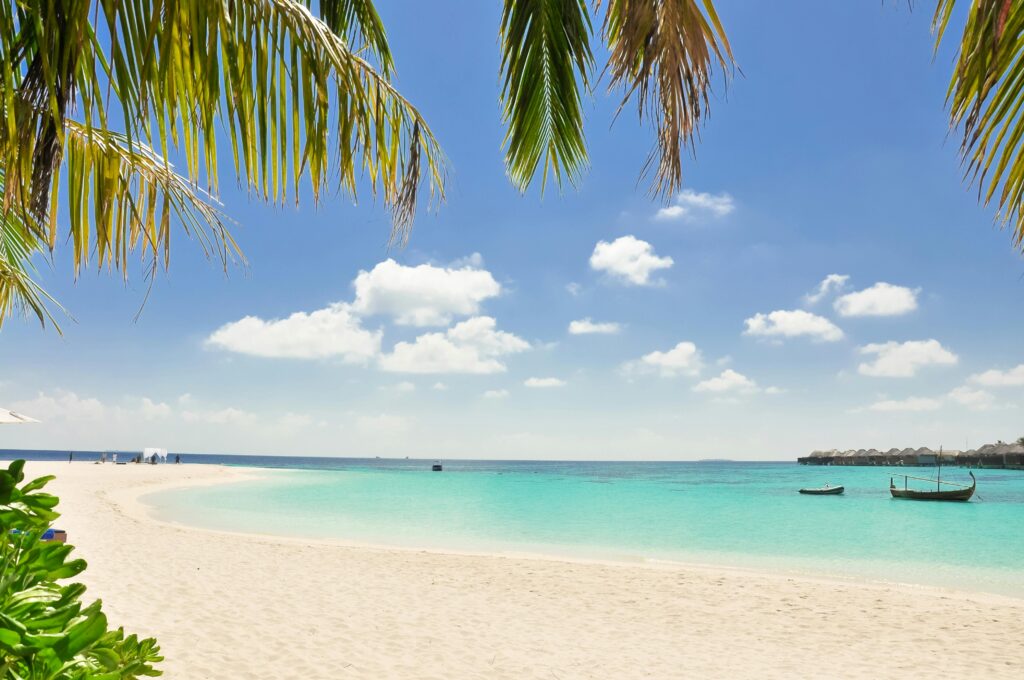
The Caribbean is often imagined as a mosaic of colorful towns, beachfront resorts, and lively cruise ports, yet scattered beyond the familiar destinations are islands where no one lives permanently. These uninhabited Caribbean islands have no neighborhoods, no year-round communities, and no everyday rhythms of civilian life. Some exist as protected marine sanctuaries, others as fragile sand cays rising briefly above turquoise water, and a few as remote outposts shaped more by wind and tide than by human hands. In certain cases, visitors are allowed to step ashore for a few carefully managed hours before returning to the mainland. In others, landing is restricted or entirely forbidden due to environmental protection, military oversight, or complex territorial claims. The difference between the two is not always obvious, and that ambiguity only adds to their mystique. What unites them is a rare quality in today’s travel landscape – the absence of permanent settlement. These islands represent pockets of the Caribbean where silence still returns at sunset and where nature, rather than infrastructure, defines the horizon.
Uninhabited Caribbean Islands You Can Actually Visit
The Caribbean is often imagined as a chain of lively resort towns and cruise ports, but beyond the well-known destinations lie islands where no one lives permanently. These uninhabited Caribbean islands remain free of towns, hotels, and residential communities, offering a rare glimpse of nature without long-term human settlement. Some are protected marine parks, others are tiny sand cays accessible only by boat. What makes them extraordinary is not luxury, but their raw simplicity and untouched beauty. If you’ve ever wanted to step onto an island that feels truly remote – yet legally visitable – these are the places where that experience is still possible.
Buck Island (U.S. Virgin Islands)
Buck Island sits just north of St. Croix and is one of the most pristine protected marine environments in the Caribbean. It is officially designated as a U.S. National Monument, which means development is strictly prohibited. There are no homes, no resorts, and no permanent population living on the island. Visitors arrive by licensed boat tours that operate from St. Croix’s mainland. The island is famous for its underwater snorkeling trail, where plaques guide swimmers through coral reef formations. Sea turtles, colorful reef fish, and vibrant coral ecosystems thrive in these protected waters. On land, visitors can walk along untouched white sand beaches framed by crystal-clear water. Overnight stays are not allowed, and access is regulated to preserve the ecosystem. By sunset, all visitors must depart, leaving the island completely empty once again.
Klein Curaçao (Curaçao)
Located roughly 25 kilometers southeast of Curaçao, Klein Curaçao is a small, flat island surrounded by dazzling turquoise water. The island has no permanent residents and no developed infrastructure beyond a restored lighthouse and temporary shelters used by tour operators. Historically, it served as a navigation point and occasional shipwreck site due to surrounding reefs. Today, catamaran and boat tours bring visitors for snorkeling, swimming, and beach relaxation. The beaches stretch long and wide, with powdery white sand and minimal shade. Sea turtles frequently nest on its shores during certain seasons. There are no hotels, shops, or residential buildings on the island. Most tours provide lunch and shaded seating areas, but everything is removed at the end of the day. While limited overnight camping is occasionally permitted through special arrangements, there is no permanent settlement of any kind.
Sandy Island (Anguilla)
Sandy Island is a tiny sand cay located just a short boat ride from mainland Anguilla. It is so small that you can walk around the entire island in minutes. There are no houses, no hotels, and no residents living there permanently. A seasonal beach bar operates during high season, serving grilled seafood and drinks to day visitors. Apart from that single structure, the island remains undeveloped. The surrounding waters are shallow, clear, and ideal for swimming and snorkeling. Because the island is exposed and low-lying, it is vulnerable to storms and sometimes closes after hurricanes. Visitors must return to Anguilla before evening, as there are no overnight facilities. When the boats leave, the island returns to silence, with only waves and seabirds remaining.
Pinel Island (St. Martin)
Pinel Island lies just off the coast of French St. Martin and is accessible by a short ferry ride. The island is classified as a protected nature reserve and has no permanent population. Visitors are drawn to its calm lagoon waters and vibrant marine life. Two small beach restaurants operate during the day, offering local Caribbean dishes. Beyond those establishments, the island remains undeveloped and free from residential structures. Snorkeling is especially popular due to the shallow reef systems surrounding the shoreline. The island’s interior contains dry tropical vegetation and walking paths. Overnight stays are not permitted, and all visitors must depart by late afternoon. Once the final ferry leaves, Pinel Island becomes completely uninhabited again.
Sandy Spit (British Virgin Islands)
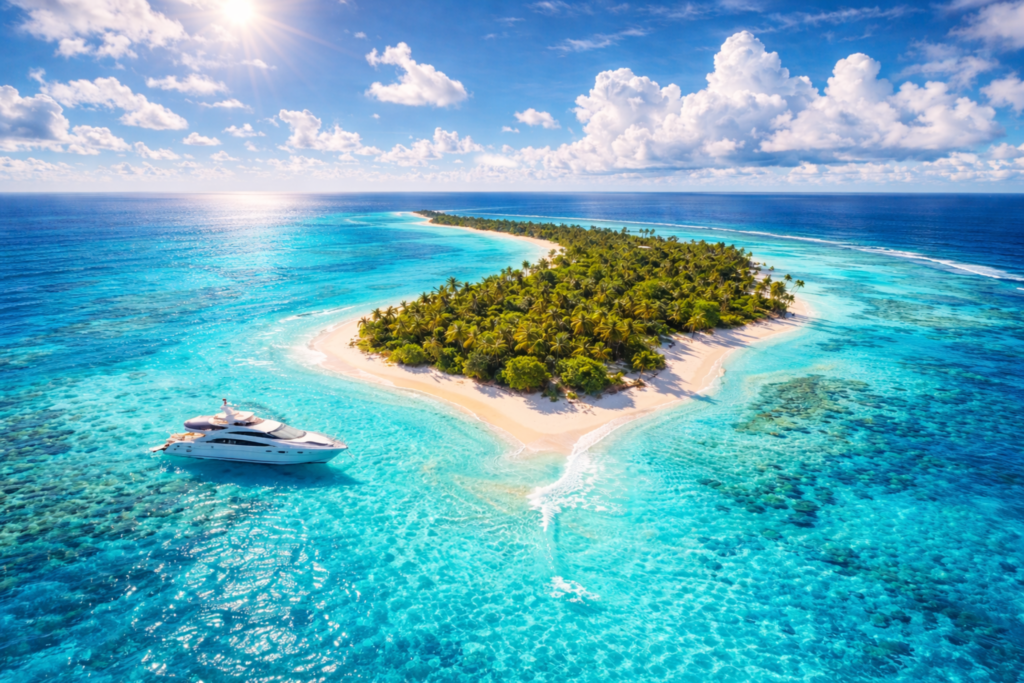
Sandy Spit is the definition of a postcard-perfect Caribbean island. This tiny cay in the British Virgin Islands is little more than a circular stretch of sand with a few palm trees. There are no buildings, no utilities, and no permanent residents. It is primarily visited by private yachts and sailing charters exploring the surrounding islands. The island’s shallow turquoise waters make it ideal for anchoring and swimming. Because it is so small, environmental impact must be carefully managed. Visitors typically stay only for a few hours before moving on. There are no bathrooms, restaurants, or facilities of any kind. After boats depart, Sandy Spit remains entirely empty and untouched.
Green Island (Antigua)
Green Island sits just off the eastern coast of Antigua, separated from the mainland by a narrow stretch of brilliantly clear water. Despite its proximity to civilization, the island feels completely detached from modern life. There are no houses, no electricity lines, no paved paths, and no permanent residents living there. What you’ll find instead are quiet beaches edged with soft sand and shallow reefs that shimmer in shifting shades of blue and green. The surrounding marine environment is one of the primary reasons visitors make the journey, as the coral formations here are considered among the healthiest near Antigua. Snorkelers frequently encounter parrotfish, angelfish, and schools of tropical reef species moving through the warm, calm water. On land, low coastal vegetation and scrub plants dominate the interior, giving the island a natural and untamed character. There are no restaurants or commercial structures, so tour operators bring everything needed for the day and remove it again before departure. Visitors are required to return to Antigua by late afternoon, ensuring that once the last boat leaves, Green Island reverts to complete silence. The result is a rare experience: stepping onto an island that feels discovered rather than developed.
Îlet Chevalier (Martinique)
Îlet Chevalier lies off the southern coastline of Martinique and is part of a broader protected coastal ecosystem. The islet is small, low-lying, and entirely free of permanent habitation. There are no homes, no resorts, and no signs of residential life anywhere on its shores. Visitors usually reach the island by kayak or small motorboat, crossing calm lagoon waters that reflect the sky in shades of soft turquoise. Because the waters surrounding the islet are shallow and sheltered, they create ideal conditions for swimming and relaxed snorkeling. Sea grass beds beneath the surface provide habitat for marine life, and the clarity of the water makes even subtle movements visible. The interior landscape consists of sandy patches interwoven with hardy shrubs and coastal vegetation adapted to salt and wind. There are no constructed facilities, meaning no restrooms, no food vendors, and no shaded structures beyond natural foliage. Environmental protections strictly prohibit overnight stays or permanent development of any kind. By early evening, the islet is once again empty, with only the sound of waves and seabirds filling the air. Its simplicity is precisely what preserves its appeal.
Cayo Arena (Dominican Republic)
Cayo Arena, often called Paradise Island, is not a conventional island in the traditional sense but rather a luminous sandbar rising from shallow Caribbean waters. Located off the northwestern coast of the Dominican Republic, it appears almost unreal when seen from above. The island is extremely small, and its shape subtly shifts depending on tides, storms, and seasonal currents. There are no buildings, no docks, and no permanent inhabitants living on this fragile stretch of sand. Organized boat tours bring visitors for short stays that focus primarily on snorkeling in the surrounding coral reef system. The reef encircles the sandbar like a protective ring, sheltering schools of tropical fish and vibrant coral colonies. Because the island itself has virtually no shade, visits are typically limited to a few hours under careful supervision. The absence of infrastructure helps preserve its delicate environment but also means visitors must rely entirely on their tour operators. As the final boat pulls away in the afternoon, the sandbar once again floats alone in open water. It remains one of the purest examples of a Caribbean island that exists without permanent human presence.
Half Moon Cay (Bahamas)
Half Moon Cay is a privately owned island in the Bahamas that functions primarily as a controlled cruise destination. Despite its polished appearance during operating hours, the island has no permanent residential community. Staff members are present only when cruise ships dock and depart once visitors return to their vessels. The island features groomed beaches, marked trails, and limited visitor facilities designed for day use. However, these amenities do not equate to permanent settlement or residential life. When ships are anchored offshore, the island feels lively and organized, with guided activities and shaded beach areas. Yet once the ships depart, everything quiets dramatically. There are no neighborhoods, no independent hotels, and no year-round civilian population. Wildlife such as seabirds and marine creatures dominate the environment after human activity ceases for the day. Overnight tourism independent of cruise schedules is not available. In practical terms, Half Moon Cay operates as a temporary daytime destination rather than a lived-in island.
Little Sandy Cay (British Virgin Islands)
Little Sandy Cay rests quietly within the waters of the British Virgin Islands, small enough to circle entirely in a short walk. The cay contains no buildings, no roads, and no utilities of any kind. There is no permanent population residing here, and no structured tourism operations based on the island itself. Most visitors arrive by private yacht or sailing charter while exploring the surrounding archipelago. The shoreline consists of clean white sand that transitions gently into transparent, shallow water. Palm trees and low coastal shrubs provide sparse shade but do not indicate any form of development. Because there are no services, visitors must bring their own supplies and remove all waste when they leave. The simplicity of the cay is part of its charm, offering a rare sense of isolation even within a popular sailing region. Overnight stays are not formally organized and are uncommon due to the island’s limited size and exposure. After boats depart, the cay returns to complete solitude, shaped only by wind and tide. It remains one of the purest uninhabited islets in the region.
Uninhabited Caribbean Islands That Are Not Open to Tourists
Not every empty island in the Caribbean is open for exploration. Some remain completely off-limits due to strict environmental protection laws, military control, territorial disputes, or fragile ecosystems that cannot withstand tourism. These uninhabited islands have no permanent residents, no visitor facilities, and no authorized tour access. In many cases, even landing without permission is illegal. While their remoteness adds to their mystery, it is precisely this isolation that authorities aim to preserve. These are the Caribbean islands that exist beyond the reach of ordinary travel.
Navassa Island
Navassa Island lies in the Caribbean Sea between Haiti and Jamaica, rising sharply from deep blue water in a series of dramatic limestone cliffs. Unlike the day-trip islands that welcome visitors, Navassa is entirely off-limits without special authorization from the United States government. The island is administered as a National Wildlife Refuge and has no permanent civilian population. Historically, it was briefly inhabited during the 19th century for guano mining, and later a lighthouse operated on its cliffs. Today, the structures remain largely abandoned, overtaken by time and weather. The terrain is rugged and difficult to access, with no natural harbor and steep coastal walls that make landing hazardous. Its ecosystems support seabirds, reptiles, and rare plant species that require strict protection. Because of its sensitive environment and political status, casual tourism is prohibited. There are no ferries, no cruise stops, and no charter permissions for leisure travel. Navassa remains one of the Caribbean’s most restricted and isolated uninhabited islands.
Aves Island
Aves Island is one of the smallest islands in the Caribbean, consisting essentially of a narrow strip of sand rising just above sea level. Located far north of Venezuela’s mainland, it has no permanent civilian residents and no tourism infrastructure of any kind. The island’s shape and size shift over time due to storms and strong ocean currents. Because of its strategic maritime significance, Venezuela maintains a limited military presence there. The surrounding waters are remote and rarely traveled by recreational boats. There are no docks, no anchorage facilities, and no services available for visitors. Environmental sensitivity is another reason access is tightly controlled, as seabirds and marine life depend on the island’s undisturbed condition. Weather conditions can be harsh, and hurricanes have historically altered its landscape. For these reasons, tourism is not permitted, and independent landings are prohibited. Aves Island remains a geopolitical and ecological outpost rather than a travel destination.
Serranilla Bank
Serranilla Bank is not a single island but a remote coral reef system composed of small sand cays and submerged formations. Located in the western Caribbean, it is subject to territorial claims and maritime jurisdiction complexities. There are no permanent inhabitants and no developed facilities anywhere on the bank. The cays that rise above water are small, exposed, and surrounded by shallow reefs that make navigation challenging. Historically, the area has been more significant for shipping routes than for habitation. Because of its remote position and legal sensitivities, tourism has never developed here. There are no authorized visitor programs or guided tours. The reefs themselves are ecologically important and vulnerable to disturbance. Weather conditions can change rapidly, further complicating safe access. In practical terms, Serranilla Bank remains completely inaccessible to leisure travelers.
Bajo Nuevo Bank
Bajo Nuevo Bank lies southeast of Serranilla Bank and shares many of the same characteristics: remote reefs, low sand cays, and disputed territorial claims. It consists of small emergent features barely rising above the waterline. There are no residents, no ports, and no infrastructure of any type. Strong currents and shallow coral formations create significant navigational hazards. Because of its political status and lack of facilities, organized tourism has never been established. The area serves primarily as a maritime boundary zone rather than a destination. Environmental conditions are harsh, with minimal vegetation and exposure to open-sea weather systems. The fragile reef ecosystems require protection from disturbance. Access would require official clearance that is rarely granted. For all practical purposes, Bajo Nuevo Bank remains entirely closed to tourism.
Desecheo Island
Desecheo Island sits off the western coast of Puerto Rico and is officially designated as a National Wildlife Refuge. Although boats may operate in surrounding waters for diving excursions, landing on the island itself is prohibited. The island has no permanent population and no public visitor facilities. Historically used for military training exercises, it has since been restored as a protected habitat. Conservation programs focus on protecting seabird nesting areas and native species. The terrain is rocky and steep, making access naturally difficult even without restrictions. Because of its refuge status, permits are rarely issued for civilian visits. There are no docks or maintained landing zones. Overnight stays are strictly forbidden. Desecheo remains visible from the mainland yet remains inaccessible to ordinary travelers.
Isla de Mona
Isla de Mona lies between Puerto Rico and the Dominican Republic and is sometimes called the “Galápagos of the Caribbean” due to its biodiversity. The island has no permanent civilian population, though park rangers and researchers may stay temporarily. Access is regulated through a permit system controlled by Puerto Rican authorities. Visitors must apply in advance and comply with strict environmental guidelines. The island contains fragile cave systems with ancient Indigenous rock art that require protection. Camping is allowed only in designated areas and under controlled circumstances. There are no hotels, restaurants, or commercial tourism facilities. Rough seas frequently make travel unpredictable. Because permits are limited and access tightly managed, casual tourism is effectively restricted. Isla de Mona remains largely undisturbed and carefully monitored.
Alto Velo Island
Alto Velo Island lies south of the Dominican Republic’s mainland and is one of the country’s most isolated territories. The island has no permanent residents and very limited infrastructure. Its coastline is rocky and exposed, lacking safe harbor for easy docking. Strong currents and unpredictable weather make navigation challenging. The island falls under protected environmental regulations, further limiting development. There are no tour operators offering regular excursions to the island. Wildlife and seabird populations inhabit the rugged terrain. Freshwater resources are virtually nonexistent, preventing sustained habitation. Because of its remoteness and logistical challenges, it remains closed to general tourism. Alto Velo stands as one of the least visited islands in the Caribbean basin.
Booby Cay
Booby Cay is located off Jamaica’s coast and is named after the seabirds that nest there. The cay has no permanent residents and functions primarily as a protected ecological site. Its small size and fragile vegetation make development impractical. Local authorities regulate access to prevent environmental damage. While boats may approach the area, landing permissions are limited. There are no accommodations or public facilities on the cay. The surrounding waters support marine life that benefits from minimal disturbance. Conservation priorities outweigh tourism interests in this case. Overnight stays are not permitted. Booby Cay remains largely undisturbed and protected from recreational use.
Isla Aves de Sotavento
Isla Aves de Sotavento is a remote Venezuelan island located far from the mainland. It has no civilian residents and is occasionally monitored by military personnel. The island is extremely low-lying and vulnerable to storms and erosion. There are no developed landing areas or tourism facilities. Sovereignty considerations contribute to strict access control. Marine ecosystems surrounding the island are sensitive and largely untouched. Because of its isolation, reaching the island would require significant logistical planning. No commercial tourism is promoted or permitted. Weather patterns can shift quickly in the open Caribbean waters. As a result, the island remains inaccessible to ordinary travelers.
Isla Cabritos (Dominican Republic)
Isla Cabritos is located within Lake Enriquillo, a hypersaline inland lake in the Dominican Republic. Although the lake itself can be visited on guided tours, the island is part of a protected national park. It has no permanent human residents. Instead, the island is home to wildlife such as iguanas and American crocodiles. The surrounding lake environment is ecologically unique and highly sensitive. Park authorities regulate all movement within the area. There are no accommodations or residential structures on the island. Environmental conservation takes priority over tourism development. Overnight stays are not permitted. Isla Cabritos remains a strictly protected natural habitat rather than a leisure destination.
Where Solitude Still Exists
In a region known for vibrant beach culture and luxury escapes, it’s easy to forget that parts of the Caribbean remain completely untouched by permanent human life. Some uninhabited islands welcome respectful visitors for a few hours before returning to silence at sunset. Others remain protected, restricted, and intentionally inaccessible to preserve fragile ecosystems and territorial integrity. Together, they remind us that not every beautiful place is meant to be developed – and not every paradise is meant to be entered. Whether you visit one briefly or simply admire it from afar, these islands represent something increasingly rare in today’s world: true solitude.