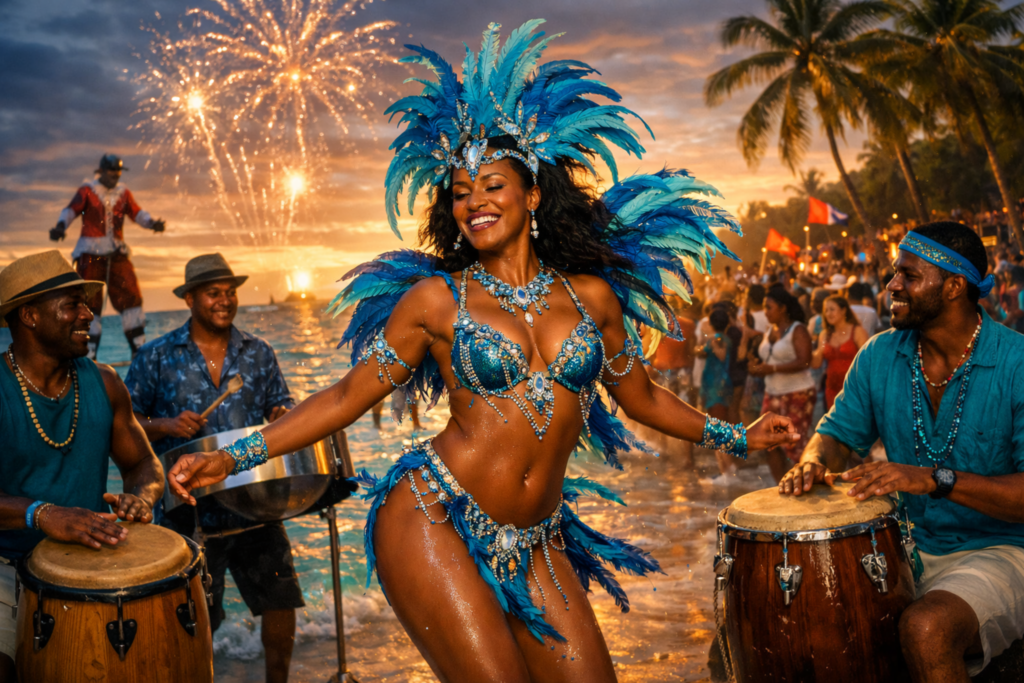
Dates: July 25 – August 4, 2026 | Location: St. John’s, Antigua
Every summer, one corner of the Caribbean transforms into something that has to be felt to be fully understood. Streets that normally carry the quiet rhythm of island life suddenly overflow with music, color, paint, and people moving as one. Steel pans ring out across open grounds. Soca beats pulse from massive sound trucks rolling through tens of thousands of revelers. The air smells of iron band oil, street food, and celebration. And somewhere in it all, connecting every masquerader, every artist, every visitor to something ancient and joyful and free – you feel the rhythm.
This is Antigua Carnival. Officially dubbed the Caribbean’s Greatest Summer Festival, it is one of the most exhilarating, culturally rich, and emotionally resonant events the region produces every single year. And in 2026, it returns bigger and more vibrant than ever.
Antigua Carnival 2026 runs from July 25 to August 4 – eleven days of competitions, pageants, street celebrations, and carnival spectacle set against the backdrop of one of the most beautiful islands in the Caribbean. From the opening calypso showdown to the pre-dawn madness of J’ouvert, from the steel pan orchestras of Panorama to the full-costume glory of the Parade of Bands, every day of this festival delivers something worth flying across the world for.
Whether you are making the journey from the USA, UK, Europe, or anywhere else in the Western world, this guide covers everything you need to plan your Antigua Carnival 2026 experience – what to expect, what’s happening, how to get there, where to stay, and how to make the most of every single day.
What Is Antigua Carnival?
Antigua Carnival is an annual cultural festival that takes place every summer on the island of Antigua, part of the twin-island nation of Antigua and Barbuda. Held from the end of July through the first Tuesday of August, the carnival is one of the Caribbean’s longest-running and most internationally celebrated summer festivals – a tradition that has been drawing locals and global visitors alike for nearly seven decades.
At its heart, Antigua Carnival is a celebration of freedom, creativity, and cultural identity. It commemorates the emancipation of enslaved people in the British Caribbean – a moment of profound historical significance – and honors that legacy through music, masquerade, dance, and community. But it is also a living, evolving festival that has grown with the times, incorporating the best of modern Caribbean carnival culture while never losing sight of its roots.
The festival is built around four main pillars: music competitions (calypso and soca), cultural events (steel pan, iron band, Watch Night), pageantry (the Jaycees Queen Show and other crowning events), and street celebrations (T-Shirt Mas, J’ouvert, and the grand Parade of Bands). Together, these elements create an eleven-day experience that ranges from deeply soulful to absolutely euphoric.
It is called the Caribbean’s Greatest Summer Festival – and those are not empty words. In a region that produces world-class carnivals throughout the year, Antigua Carnival holds its own as a uniquely compelling event that combines historical depth, genuine community spirit, and carnival energy of the highest order.
The History Behind the Celebration
To understand Antigua Carnival, you have to go back to August 1, 1834 – the day the Slavery Abolition Act of 1833 came into effect across British colonial territories. On that morning, enslaved Africans in Antigua gained their freedom. What followed was spontaneous and joyful: people poured into the streets. There was drumming. There was dancing. There was collective, uncontained celebration of a freedom that had been denied for generations.
What made Antigua’s emancipation particularly historic was that it was the only British colony in the Caribbean to grant immediate, unconditional freedom. Most other territories required a transitional ‘apprenticeship’ period before full emancipation took effect. Antigua chose to skip it entirely – making August 1, 1834, a day of complete liberation. That distinction is part of why Antigua’s carnival carries such powerful emotional weight. It is not merely a party. It is a living memorial to one of the most significant days in Caribbean history.
Over the following century, the spirit of those emancipation celebrations evolved and merged with other cultural traditions – masquerade performances influenced by West African heritage, folk music, drumming circles, and communal gatherings that became part of the island’s annual rhythm. The modern Antigua Carnival was officially established in 1957, giving structure and scale to what had been a grassroots cultural tradition. It has taken place every year since without interruption, growing in ambition, reach, and global recognition.
Today, Antigua Carnival is a celebration that holds all of this history while looking squarely forward. The competitions have become internationally broadcast events. The mas bands spend months designing costumes of extraordinary craftsmanship. The soca artists who compete for Monarch titles often go on to dominate Caribbean airwaves. And the visitors who come from across the globe bring their own energy into a festival that remains, at its core, deeply and authentically Antiguan.
Antigua Carnival 2026 – Key Dates & Quick Facts
- Festival: Antigua Carnival 2026 – The Caribbean’s Greatest Summer Festival
- Dates: July 25 – August 4, 2026
- Duration: 11 days
- Location: St. John’s, Antigua (main events at Carnival City / Antigua Recreation Ground)
- Airport: V.C. Bird International Airport (ANU) – approximately 15 minutes from St. John’s
- Official Website: antiguacarnival.com
- Social Media: @AntiguaCarnival on Facebook | Follow for schedule updates and event announcements
- Currency: Eastern Caribbean Dollar (XCD). USD widely accepted. Cards accepted at most hotels and restaurants.
- Language: English
- Best For: Culture seekers, music lovers, first-time carnival visitors, and experienced carnival travelers alike
Full Schedule of Events – What Happens Each Day
Antigua Carnival is not a single event. It is a carefully structured eleven-day festival where each event builds on the last, escalating in energy and spectacle until the grand finale on Carnival Tuesday. Here is a full breakdown of what to expect:
Face Off – Opening Calypso Competition
Date: July 25, 2026 (Saturday)
Venue: Antigua Recreation Ground (Carnival City)
Time: 9:00 PM
The festival opens not with a parade, but with words – sharp, witty, politically charged words set to music. Face Off is the opening round of the calypso competition season, where the island’s most respected calypsonians take the stage to compete for early-season dominance. Calypso in Antigua is a serious art form, a tradition of social commentary and storytelling that has been used for generations to speak truth to power, celebrate community, and provoke thought. The performances are entertaining, often hilarious, frequently profound, and always deeply rooted in Caribbean culture. For visitors new to calypso, Face Off is a brilliant and accessible introduction.
T-Shirt Mas – The Festival’s Most Inclusive Street Party
Date: July 26, 2026 (Sunday)
Venue: Old Parham Road near T.N. Kirnon School
Time: 3:00 PM – 9:00 PM
T-Shirt Mas is one of the most beloved events on the Antigua Carnival calendar, and it is easy to see why. Unlike the full-costume Parade of Bands, T-Shirt Mas is entirely inclusive – participants wear a specially designed themed T-shirt and take to the streets together in a communal celebration that prioritizes fun, unity, and community spirit over spectacle. Music trucks roll. DJs play. People of all ages join in. For international visitors still finding their carnival legs, T-Shirt Mas is the perfect warm-up – a chance to experience the road atmosphere in a relaxed, welcoming environment before the full intensity of Carnival week arrives.
Jaycees Queen Show – Elegance and Cultural Pride
The Jaycees Queen Show is one of Antigua Carnival’s most prestigious pageants. Contestants are evaluated not only on their presentation and poise, but on intelligence, cultural knowledge, talent, and their ability to represent the spirit of the festival. This is not a simple beauty contest. It is a celebration of Antiguan womanhood in its fullest sense, and the crowning of the Jaycees Queen is a moment of genuine national pride. The show draws large crowds and is an essential part of the early carnival calendar.
Calypso Monarch Competition – The Battle of Words and Wit
If Face Off is the opening round, the Calypso Monarch Competition is the championship. Antigua’s finest calypsonians compete in one of the Caribbean’s most respected musical competitions, with performances judged on lyrical quality, social relevance, melody, and stage delivery. The themes tackled by calypso artists – politics, community life, national identity, love, loss – make each performance feel like a piece of living cultural history. Winning the Calypso Monarch title in Antigua is a mark of genuine artistic achievement, and the competition draws passionate, knowledgeable crowds who take the music seriously.
Soca Monarch Competition – Crown for the King or Queen of the Road
The Soca Monarch Competition is arguably the most anticipated single night of Antigua Carnival. The island’s top soca artists face off in a high-energy showdown that blends musical performance with raw crowd power – because in soca, the audience response is part of the competition. Artists bring everything they have: elaborate stage setups, backup dancers, fireworks, and the kind of frenzied energy that has the entire Carnival City crowd jumping from start to finish.
The artist who wins the Soca Monarch title often becomes the defining voice of that year’s carnival. Their winning track frequently becomes the road march anthem – the song that plays most during the Parade of Bands. Winning is not just a personal achievement; it is a cultural moment that the entire island remembers.
Panorama – The Steel Band Competition
Panorama is the grandest stage for one of the Caribbean’s most distinctive musical traditions: the steelpan orchestra. Steel orchestras from across Antigua spend months rehearsing for this competition, performing intricate, technically demanding arrangements that showcase both individual brilliance and collective precision.
Antigua’s steel band tradition is among the oldest in the Caribbean. The island is home to Hell’s Gate Steel Orchestra, founded in 1945 and recognized as the world’s oldest continuously operating steel orchestra. Panorama honors this legacy with a competition that draws serious musical fans and casual visitors alike. If you have never heard a full steel orchestra perform live, Panorama will make a permanent impression. The sound – warm, percussive, melodic, and deeply moving – is unlike anything else in the world of music.
Watch Night – A Cultural Tribute to Freedom
Watch Night is one of the most emotionally resonant events of the entire Antigua Carnival season. Rooted in the emancipation heritage that underpins the whole festival, Watch Night features drumming performances, iron band music, cultural tributes, and messages of unity that connect the present-day celebration to its historical origins.
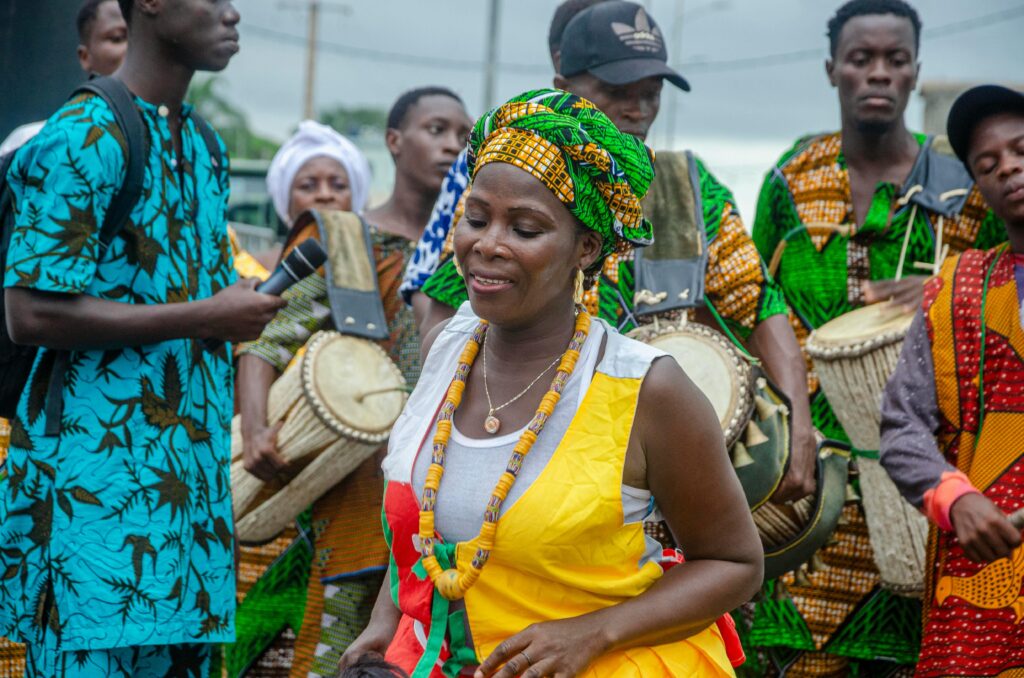
Iron band – a uniquely Antiguan musical tradition featuring percussion instruments made from industrial metal objects such as iron pipes, brake drums, and engine parts – takes center stage during Watch Night, producing a sound that is raw, powerful, and deeply African in its roots. For visitors, Watch Night offers a profoundly different experience from the high-energy party atmosphere of the other events: it is quieter, more reflective, and more deeply moving. Do not skip it.
J’ouvert – The Pre-Dawn Street Party
Date: August 4, 2026 (Carnival Monday)
Location: Independence Avenue, St. John’s
Time: 3:00 AM – 10:00 AM
J’ouvert – from the French Creole jour ouvert, meaning ‘daybreak’ – is the carnival experience that most visitors describe as the single most unforgettable thing they have ever done. It begins at 3:00 in the morning, in darkness, in the streets of St. John’s. Revelers arrive covered in paint, powder, mud, and pitch oil. They find their chosen band and begin to move – dancing, jumping, waving, and ‘jamming’ through the streets as music trucks and live bands provide a non-stop soundtrack until the sun rises.
On Antigua, J’ouvert carries particular cultural weight. The tradition of taking to the streets before dawn echoes the moment on August 1, 1834, when the newly free people of the island poured out of their homes in the darkness to celebrate their freedom. Every J’ouvert is, in some sense, a re-enactment of that first dawn of freedom. By the time the sun comes up over St. John’s and the city emerges from the paint-covered, music-soaked madness of the night, the feeling in the crowd is one of pure collective euphoria.
J’ouvert is not a spectator event. It is a participatory experience. Come dressed in clothes you do not mind destroying. Embrace the paint. Find a band and move with them. This is one of those experiences that changes the way you think about celebration.
Monday Mas – Carnival Monday Afternoon Parade
After J’ouvert ends and the city pauses to recover, revelers return home to rest, clean up, and prepare for the second act of Carnival Monday. Monday Mas is the afternoon street parade – a more relaxed but still enormously energetic procession through St. John’s, featuring music trucks, costumed paraders, and the kind of sustained carnival energy that Antigua does better than almost anywhere else. Monday Mas is often described as the ideal entry point for visitors who want to experience the road parade atmosphere in a slightly less intense setting before the full spectacle of Carnival Tuesday.
Parade of Bands – The Grand Carnival Tuesday Finale
Date: August 4, 2026 (Carnival Tuesday)
Location: St. John’s & Carnival City
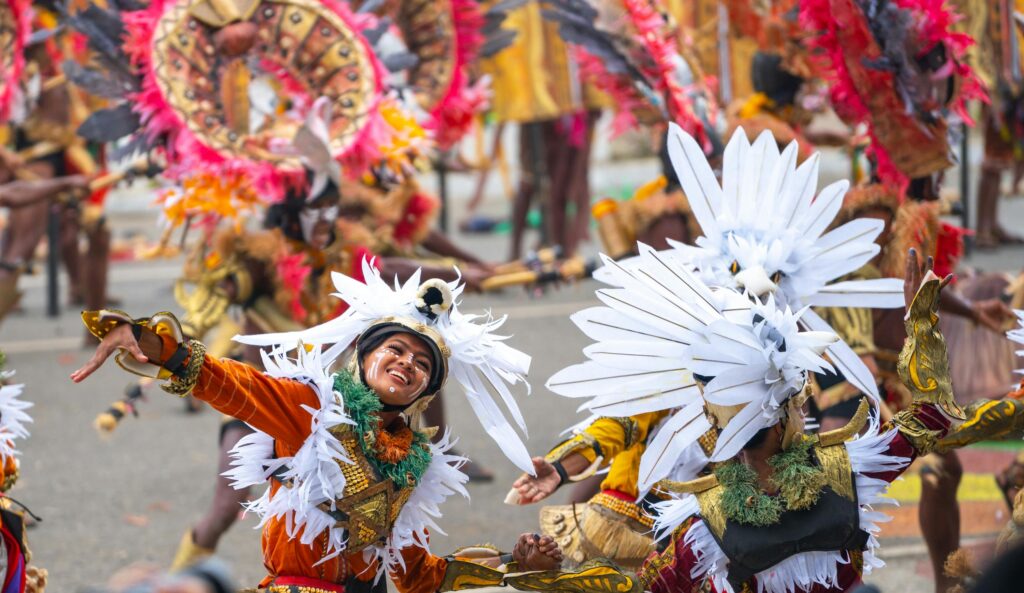
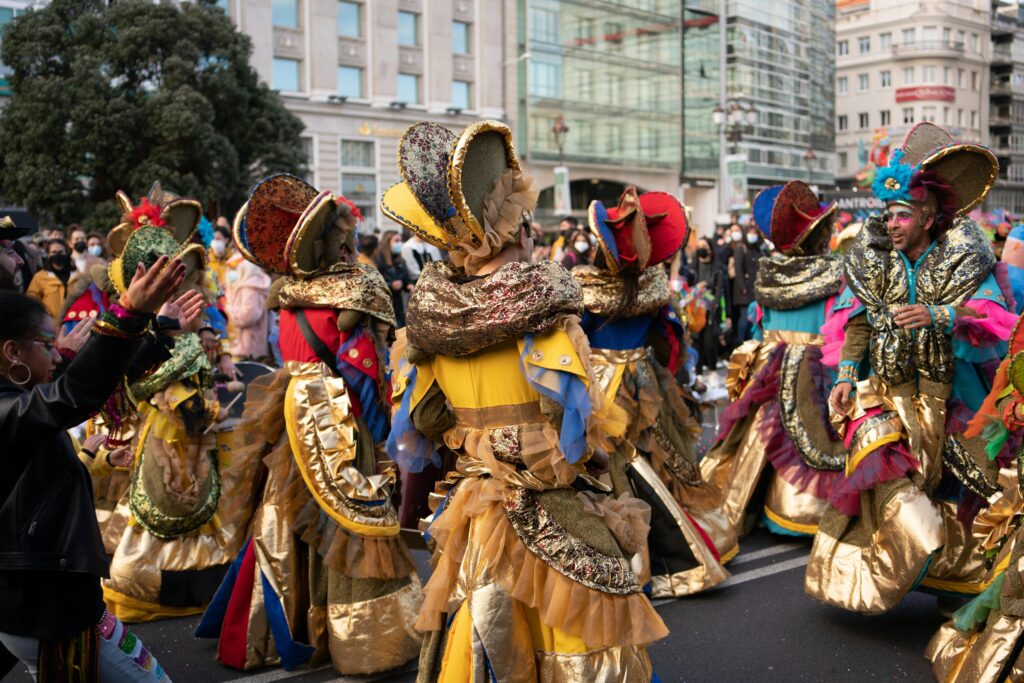
The Parade of Bands is the centerpiece event of Antigua Carnival and one of the most visually spectacular celebrations in the entire Caribbean. Thousands of masqueraders dressed in the elaborately crafted, hand-designed costumes of their chosen mas bands fill the streets of St. John’s for hours. Competing bands present their costume themes to judges positioned along the route, but the real spectacle is the road itself – a river of color, feathers, jewels, rhinestones, and movement, all driven forward by the relentless energy of the music trucks and the euphoric crowd.
Carnival Tuesday is an official public holiday in Antigua, and the entire island turns out. The route through St. John’s becomes a moving celebration that lasts most of the day. For international visitors, participating in the Parade of Bands as a masquerader – by registering with one of Antigua’s mas bands and wearing their costume – is the ultimate carnival experience. But even watching from the sidelines is extraordinary. Few experiences in the world of travel can match the sensory impact of a full Caribbean Parade of Bands in full flow.
Last Lap – The Emotional Closing Celebration
Every great celebration needs a proper ending, and Antigua Carnival has one of the best. Last Lap is the final street celebration – a closing procession through St. John’s where revelers take one last lap through the streets with music trucks, dancing, and the bittersweet energy of a festival drawing to its close. There is something uniquely moving about Last Lap. The crowd knows the carnival is ending. The music plays anyway. The dancing continues. And in that final stretch of road, you feel the full weight of what you have just been part of.
The Music of Antigua Carnival – Soca, Calypso, Steel Pan & Iron Band
Music is not merely a feature of Antigua Carnival. It is the festival’s reason for being, its heartbeat, and its most powerful expression of cultural identity. Four distinct musical traditions define the carnival soundscape, and each one offers a different window into the island’s history and soul.
Soca
Soca – a high-energy evolution of calypso that fuses African rhythms with influences from soul, funk, and electronic music – is the dominant sound of modern Caribbean carnival. It is the music of the road: fast-paced, percussive, and designed to make an entire crowd move as one. During Antigua Carnival, soca is everywhere – in the Soca Monarch competition, on the music trucks that drive the Parade of Bands, in the clubs and fetes that run throughout the festival. The artists who compete for the Soca Monarch title are some of the Caribbean’s finest performers, and their work defines the sound of the summer.
Calypso
Calypso is older, slower, and more lyrically complex than soca, and it carries a long tradition of social and political commentary. Where soca is designed to move the body, calypso is designed to engage the mind. The Calypso Monarch competition is taken seriously as both an artistic and a civic event – calypsonians are expected to comment on the issues of the day, and their performances often provoke genuine public debate. For visitors from outside the Caribbean, experiencing live calypso for the first time is a revelation: it is funny, sharp, political, and deeply human all at once.
Steel Pan
The steelpan is the only acoustic instrument invented in the 20th century, and it was born in the Caribbean. Antigua has one of the Caribbean’s deepest steel pan traditions, anchored by Hell’s Gate Steel Orchestra – founded in 1945, the world’s oldest continuously operating steel band. Panorama, the annual steel band competition, showcases orchestras of dozens of musicians playing complex, highly arranged pieces on instruments hand-crafted from oil drums. The sound of a full steel orchestra in full flight is one of the most beautiful things music has to offer.
Iron Band
Iron band is a tradition that is almost uniquely Antiguan, and it is one of the most visceral musical experiences the carnival offers. Iron band orchestras use industrial percussion instruments – brake drums, engine parts, iron pipes, and other salvaged metal objects – to create a sound that is raw, powerful, rhythmic, and deeply rooted in African musical tradition. Iron band performances are central to Watch Night and other cultural events, and they connect the modern carnival to its deepest historical roots.
Costumes & Mas Bands – How to Play Mas
One of the most rewarding things a visitor can do at Antigua Carnival is to ‘play mas’ – to register with one of the island’s mas bands and participate in the Parade of Bands wearing their costume. It is the difference between watching the carnival and being part of it, and it transforms the experience entirely.
What Is a Mas Band?
A mas band (short for masquerade band) is an organized group that designs and produces a themed costume collection for the carnival. Each band selects a theme for the year, designs costumes around that theme, and marches together as a unit in the Parade of Bands. Bands range from small community groups to large organizations with hundreds of members and costume sections at multiple price points.
How to Register as an International Visitor
Registering for a mas band as an international visitor is straightforward. Most of Antigua’s main mas bands open costume registration several months before carnival, with online registration available through their websites and social media pages. Costume packages typically include the costume itself, access to the band’s music truck during the parade, drinks and refreshments on the road, and entry to the band’s launch event. Prices vary by band and section, so it is worth comparing options before committing.
T-Shirt Mas as an Alternative
If a full costume feels like too much of a commitment for a first carnival visit, T-Shirt Mas is the perfect alternative. You simply purchase the event’s official T-shirt, show up at the designated starting point, and join the street parade. No costume registration, no planning, no fuss – just the road, the music, and the crowd.
What to Wear Beyond the Costume
Regardless of whether you play mas in a full costume or a T-shirt, a few essentials apply: comfortable, lightweight footwear you can walk and dance in for hours (sneakers are ideal), sunscreen and a hat for daytime events, and for J’ouvert, old clothes you are happy to discard afterwards. The paint and powder used in J’ouvert does not always wash out.
How to Get to Antigua for Carnival
Antigua is well connected to major cities across North America and Europe, making it genuinely accessible for international visitors planning a carnival trip.
Flying Into Antigua
All flights arrive at V.C. Bird International Airport (IATA: ANU), located approximately 15 minutes by road from St. John’s. The airport is modern and well-equipped, and the arrival experience is generally smooth and straightforward.
Direct Routes from the USA, UK & Europe
- United States: Direct flights operate from New York (JFK/Newark), Miami, and Atlanta. Several carriers serve these routes, with flight times ranging from approximately 3.5 to 4.5 hours.
- United Kingdom: Direct flights operate from London Gatwick and London Heathrow. Flight time is approximately 8 to 9 hours.
- Europe: Connecting flights are available via London, New York, or other Caribbean hubs from most major European cities. Frankfurt has also been served with direct or near-direct options during peak season.
- Caribbean connections: Regular inter-island flights connect Antigua to Barbados, Trinidad, Jamaica, St. Kitts, Sint Maarten, and other regional hubs.
When to Book
Book flights and accommodation as early as possible – ideally four to six months in advance. Antigua Carnival week is the busiest travel period of the year for the island. Flight prices and hotel availability both deteriorate significantly as the festival approaches. If you are planning to travel for the final Carnival Tuesday weekend, book even earlier.
Where to Stay During Antigua Carnival
Antigua offers accommodation across a wide range of styles and price points, from luxury all-inclusive beach resorts to boutique guesthouses and self-catering villas. The key consideration during carnival is location – staying close to St. John’s gives you easy access to the main festival venues, while staying further afield means more travel time between events.
Near St. John’s
Staying within or immediately adjacent to the capital is the most convenient option for carnival. You can walk to many events, avoid the challenge of finding taxis late at night, and wake up in the middle of the action. There are a range of guesthouses and hotels in and around St. John’s at various price points.
Dickenson Bay
One of Antigua’s most popular beach areas, Dickenson Bay is located approximately 15 minutes from St. John’s and offers a good mix of hotels, restaurants, and nightlife. It is a comfortable base that keeps you close enough to the action while giving you access to the beach during the daytime hours between events.
Jolly Harbour & English Harbour
Both Jolly Harbour on the west coast and English Harbour in the south are beautiful, well-equipped areas with marina settings, boutique hotels, and excellent dining. They are further from St. John’s than Dickenson Bay, so plan for taxi time. English Harbour, home to the historic Nelson’s Dockyard, is particularly atmospheric and worth visiting even if you are not staying there.
Booking Tip
Book your accommodation as part of your overall trip planning – do not leave it until the last minute. Carnival week sees extremely high demand across all categories, and the best properties sell out months in advance. Consider booking a refundable rate early and adjusting later if needed.
Getting Around During Antigua Carnival
Antigua is a small island – roughly 14 miles long and 11 miles wide – which makes getting around relatively easy. During carnival, the main challenge is the concentration of people and events in and around St. John’s, but a few transport options cover most situations:
- Walking: The best option for navigating St. John’s during carnival events. The main festival venues are clustered in and around the capital, and walking between them is often faster than waiting for a vehicle during peak hours.
- Taxis: Widely available across the island and the most practical option for getting to and from events, especially late at night. Agree on the fare before you get in – taxi rates in Antigua are not metered and are typically set by zone or negotiation. Your hotel can advise on standard rates.
- Local Minibuses: Public minibuses connect St. John’s with different areas of the island and are a budget-friendly option during the day. They run on set routes and can be flagged down on the main roads. Less practical for late-night travel.
- Rental Cars: If you want the freedom to explore the island at your own pace during the non-carnival hours of your trip – visiting beaches, heritage sites, and restaurants away from St. John’s – a rental car is a great option. Book in advance through your hotel or a local agency.
What Else to Do in Antigua Beyond Carnival
Antigua Carnival is eleven days of non-stop festival, but not every moment is filled with events. The hours between carnival activities are a perfect opportunity to explore one of the Caribbean’s most naturally stunning and historically rich islands. Here is what not to miss:
Nelson’s Dockyard – UNESCO World Heritage Site
Located in English Harbour on the south coast, Nelson’s Dockyard is one of the Caribbean’s most extraordinary heritage sites. This beautifully restored Georgian-era naval dockyard – once the headquarters of the British Navy in the Eastern Caribbean – is now a living museum, marina, and cultural center. Admiral Horatio Nelson himself served here in the 1780s. The surrounding national park offers hiking trails, stunning harbor views, and some of the best restaurants on the island.
Shirley Heights Lookout – The Legendary Sunday Party
Every Sunday, Shirley Heights Lookout – a hilltop military fortification overlooking English Harbour – hosts one of the Caribbean’s most celebrated sunset parties. Steel bands and reggae groups perform as the sun goes down over the harbor, with food, rum punch, and a crowd that mixes locals with visitors from around the world. If your carnival visit includes a Sunday, do not miss it.
Antigua’s Beaches
Antigua is famous for its 365 beaches – one for every day of the year, as the old saying goes. During carnival week, a morning or afternoon at the beach between events is the perfect way to recharge. Top picks include Dickenson Bay for its calm, turquoise water and beach bar scene; Half Moon Bay on the east coast for its dramatic natural setting; and Ffryes Beach on the west coast for its powdery white sand and relative tranquility.
Sailing & Water Activities
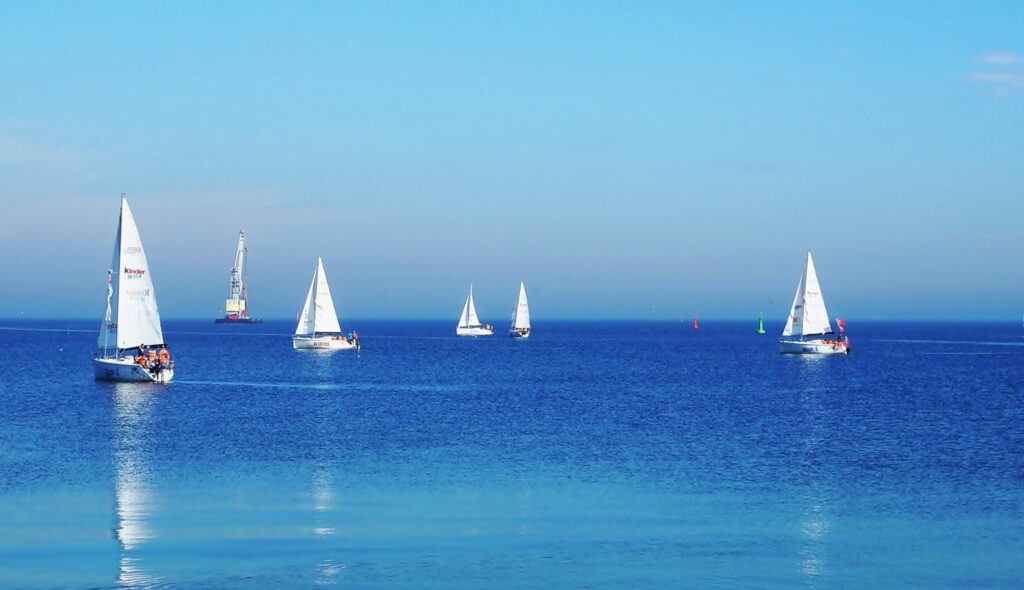
The waters around Antigua are world-famous among sailors, and for good reason. The island’s complex coastline, consistent trade winds, and sheltered harbors make it one of the finest sailing destinations in the world. Day catamaran trips, snorkeling excursions, and sailing charters all operate out of English Harbour and Jolly Harbour and offer a beautiful perspective on the island from the sea.
Local Food to Try
Antigua has a rich culinary tradition rooted in its African, British, and Caribbean heritage. Do not leave without trying fungi (a cornmeal-based staple similar to polenta, usually served with saltfish), pepperpot stew, conch fritters, ducana (sweet potato dumplings), and fresh-caught seafood prepared in the island style. Street food stalls during carnival are a great way to sample local flavors quickly and affordably. For a more sit-down experience, the restaurants around English Harbour and Dickenson Bay offer excellent Antiguan cuisine alongside international options.
Travel Tips for First-Time Visitors
- Attending Antigua Carnival for the first time is an experience you will not forget. A few practical tips will help you get the most out of it:
- Arrive at least a day or two before the festival starts. Recovering from travel and getting your bearings before the carnival begins makes the whole experience more enjoyable.
- Pace yourself. Antigua Carnival is eleven days long. You do not need to attend every event – pick the ones that appeal most to you and allow time to rest between them. Carnival is a marathon, not a sprint.
- Book your carnival costume early. If you plan to participate in the Parade of Bands, register with a mas band as soon as registrations open. Popular sections sell out quickly.
- Carry cash for street vendors, small purchases, and taxi fares. While cards are accepted at most hotels and restaurants, many street-level vendors and taxi drivers prefer cash. Eastern Caribbean Dollars and US Dollars are both widely accepted.
- Stay hydrated and wear sunscreen. Events can run for many hours in the Caribbean sun. Drink water consistently throughout the day, and apply sunscreen generously, particularly during outdoor daytime events.
- Dress for the road. Comfortable sneakers or trainers are essential for J’ouvert and the Parade of Bands. Save the sandals for the beach.
- For J’ouvert, wear old clothes. The paint and powder used during J’ouvert will stain. Wear something you are happy to discard or use as a rag afterwards. Most people buy cheap white clothing specifically for the purpose.
- Follow official channels for schedule updates. Antigua Carnival’s official Facebook page (@AntiguaCarnival) and the official website at antiguacarnival.com are the most reliable sources for event times, venue changes, and last-minute updates.
- Respect local culture and community. Antigua Carnival is, first and foremost, a festival for the people of Antigua. International visitors are warmly welcomed – but the best experiences come from approaching the festival with genuine curiosity, respect, and humility.
Frequently Asked Questions
Antigua Carnival 2026 runs from July 25 to August 4, 2026. The grand finale – Carnival Tuesday featuring the Parade of Bands – takes place on August 4, 2026.
Yes, for the most part. Many events during the early carnival season – including T-Shirt Mas, Panorama, and the pageants – are genuinely suitable for families with children. J’ouvert, which begins at 3:00 AM and involves paint, powder, and late-night revelry, is better suited to adults. The Parade of Bands on Carnival Tuesday is a spectacular experience for older children and teenagers.
Citizens of the United States, United Kingdom, Canada, and most European Union countries do not require a visa to enter Antigua and Barbuda for tourist stays of up to six months. Always verify current entry requirements through the official Antigua and Barbuda government website or your country’s foreign travel advisory before booking.
The official currency is the Eastern Caribbean Dollar (XCD). The exchange rate is fixed at approximately 2.70 XCD to 1 USD. US Dollars are widely accepted across the island, and major credit and debit cards are accepted at most hotels, restaurants, and larger businesses. Cash is recommended for smaller purchases and street vendors.
J’ouvert in Antigua has a strong community atmosphere and is generally considered safe for international visitors. As with any large late-night event anywhere in the world, standard precautions apply: travel with others rather than alone, be aware of your surroundings, keep valuables secured, and use licensed taxis for transport to and from the event. Leave phones and expensive jewelry at your hotel. The carnival community in Antigua is welcoming and the atmosphere is overwhelmingly positive.
Research Antigua’s main mas bands through social media and the official carnival website. Most bands open registrations several months before carnival, with online purchasing available. Choose your band, select your section and costume design, pay your registration fee, and arrange pickup or delivery of your costume in the days before the parade. Your hotel can often help with recommendations and logistics.
If you can spare the full eleven days, arrive on or before July 25 to experience the complete arc from Face Off through to Last Lap. If time is limited, arriving around July 30 and staying through August 4 captures the peak carnival week, including the Soca Monarch competition, J’ouvert, Monday Mas, and the Parade of Bands.
Come and Feel the Rhythm
Antigua Carnival is not something you simply observe. It is something you step into, let wash over you, and carry with you long after you leave the island. In eleven days, it moves from the lyrical precision of calypso, through the ancestral gravity of Watch Night, to the pre-dawn liberation of J’ouvert, and finally to the breathtaking spectacle of the Parade of Bands – a journey that is simultaneously a history lesson, a cultural immersion, and the best party you will ever attend.
The Caribbean’s Greatest Summer Festival has been earning that title for nearly seven decades. In 2026, it does so again – with all the color, music, heritage, and joy that makes Antigua Carnival one of the most compelling reasons to pack a bag, book a flight, and spend your summer exactly where you should be.
The rhythm is calling. All you have to do is feel it.
Plan your trip: antiguacarnival.com
Official social media: Follow @AntiguaCarnival on Facebook for schedule updates and announcements.