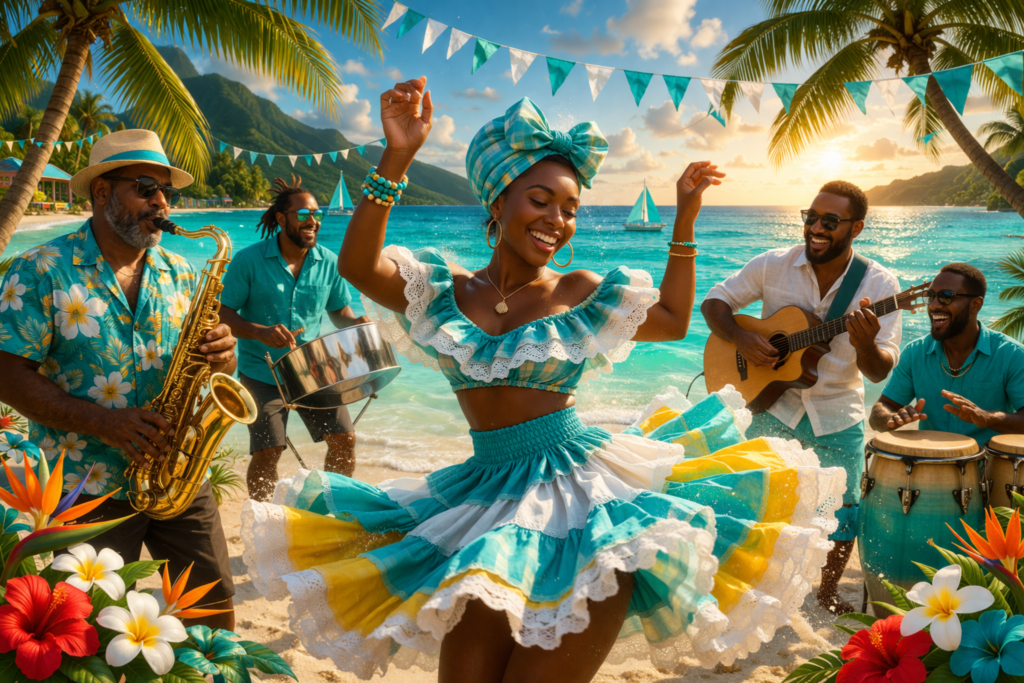
Date: May 3, 2026 | Venue: Fort Shirley, Cabrits National Park, Portsmouth
There is a place in the Caribbean where the rainforest meets the sea, where ancient volcanic peaks rise above a coastline of extraordinary beauty, and where, every May, the air fills with something that does not quite fit a single category. It is jazz – but not the jazz you know from concert halls and record sleeves. It is jazz that has absorbed the rhythms of Creole culture, the melodies of the islands, the warmth of a community that has been making music together for generations. It is something altogether its own.
The Dominica Jazz ‘N Creole Festival returns on May 3, 2026, for its 15th edition – a milestone anniversary that promises to be the most memorable edition yet. Set against the breathtaking backdrop of Fort Shirley within the Cabrits National Park, with the Caribbean Sea shimmering beyond the 18th-century stone fortifications and the lush greenery of the Nature Isle surrounding every stage, this is a music festival experience that simply does not exist anywhere else in the world.
The 2026 edition carries an Afrocentric theme – a celebration of the African roots that run through Caribbean music, culture, food, and identity. With confirmed headliners Tarrus Riley and Dean Fraser leading a lineup of local, regional, and international artists, this year’s festival is set to be an emotionally resonant and musically extraordinary day. Whether you are traveling from the USA, UK, Europe, or anywhere in the western world, this guide covers everything you need to plan your Jazz ‘N Creole 2026 experience.
What Is the Dominica Jazz ‘N Creole Festival?
The Dominica Jazz ‘N Creole Festival is an annual outdoor music and cultural festival that fuses jazz with Creole music, food, and traditions. Launched in 2010 and organized by the Discover Dominica Authority, it was created to showcase the unique relationship between the jazz art form and the Creole cultural identity of Dominica – an island whose music, language, and food carry strong French, African, and Caribbean influences.
The festival takes place each May at Fort Shirley in the Cabrits National Park, a site of extraordinary historical and natural beauty on the island’s north-west coast near the town of Portsmouth. The setting is part of what makes this festival unlike any other: attendees enjoy live performances with views of the Portsmouth cove, surrounded by the ruins of an 18th-century British garrison, with tropical forest on one side and the Caribbean Sea on the other.
The festival runs from afternoon into the evening, deliberately structured to be accessible and welcoming for families, music lovers of all ages, and visitors seeking a more intimate, culturally immersive festival experience than the large-scale commercial events found elsewhere in the region. The atmosphere has consistently been described as a picnic-meets-concert: relaxed and convivial early in the day, building to polished, high-energy performances as the sun goes down.
Across fifteen years, Jazz ‘N Creole has attracted artists from across the Caribbean and internationally, becoming one of the most respected boutique music festivals in the region. In 2026, it celebrates its 15th edition with an Afrocentric theme and its strongest confirmed lineup to date.
2026 – The 15th Edition: An Afrocentric Celebration
The 2026 Jazz ‘N Creole Festival marks fifteen years of one of the Caribbean’s most distinctive musical gatherings, and the organizers have chosen to mark the milestone with a theme that goes to the very heart of what makes this festival meaningful: an Afrocentric celebration.
The Afrocentric theme reflects the deep African roots that shape Caribbean music, culture, cuisine, and identity. Creole culture – the unique blend of African, European, and indigenous influences that defines much of the Caribbean – has always carried Africa at its core. The musical forms celebrated at Jazz ‘N Creole, from jazz itself to bouyon, zouk, and cadence-lypso, all trace essential elements of their heritage to the rhythms, instruments, and traditions brought by enslaved Africans to the Caribbean. In 2026, the festival puts that heritage front and center.
This thematic choice is also reflected in the confirmed headliner lineup, which brings together artists whose work is deeply rooted in African and Caribbean musical traditions: reggae icon Tarrus Riley and legendary saxophonist Dean Fraser – one of the most celebrated musicians in Caribbean music history. Together with the usual blend of local Dominican talent and regional performers, the 15th edition promises to be both a milestone celebration and a genuinely moving cultural experience.
Dominica Jazz ‘N Creole 2026 – Key Details & Quick Facts
- Festival: Dominica Jazz ‘N Creole Festival 2026 – 15th Edition
- Theme: Afrocentric
- Date: Sunday, May 3, 2026
- Time: 2:00 PM onwards (afternoon into evening)
- Venue: Fort Shirley, Cabrits National Park, Portsmouth, Dominica
- Organizer: Discover Dominica Authority / Dominica Festivals Committee
- Official Website: dominicafestivals.com
- Tickets: Available at 4circlestickets.com/events/jazzncreole2026
- Currency: Eastern Caribbean Dollar (XCD). USD accepted at most venues.
- Language: English (French Creole also widely spoken)
- Airport: Douglas-Charles Airport (DOM) – approx. 45 minutes from Portsmouth
The Venue – Fort Shirley, Cabrits National Park
There is no festival setting in the Caribbean quite like Fort Shirley. Built by the British in the 18th century to guard the island’s northern coastline, the garrison at Cabrits was once a strategic military installation housing hundreds of soldiers and commanding sweeping views of the Portsmouth cove and the channel between Dominica and the neighbouring islands to the north.
Today, Fort Shirley sits within the Cabrits National Park – a protected area of volcanic headland, tropical dry forest, and wetlands that extends into the sea. The fort’s stone ruins have been partially restored and the grounds developed as one of the island’s premier heritage and tourism sites. When the Jazz ‘N Creole Festival takes over Fort Shirley each May, it becomes something genuinely extraordinary: a live music venue where the stage backdrop is Caribbean Sea and centuries of history, where the audience sits on the grass and in the ruins listening to jazz float across the water, and where the entire surrounding landscape – forest, coast, and sky – becomes part of the experience.
For international visitors accustomed to festival venues that are temporary structures in fields or urban arenas, Fort Shirley is a revelation. The intimacy, the beauty, and the historical weight of the location elevate the musical experience in a way that no purpose-built venue ever could.
2026 Confirmed Artists & Lineup
The 2026 Jazz ‘N Creole lineup has been announced with an Afrocentric focus, featuring some of the Caribbean’s most acclaimed musical talents alongside local Dominican performers. The full lineup will be revealed progressively in the lead-up to the festival – check dominicafestivals.com and the official Dominica Festivals social media pages for the latest announcements.
Tarrus Riley – Headline Act
Tarrus Riley is one of reggae music’s most beloved and respected voices – a Jamaican artist who has spent two decades building a catalogue of conscious, soulful, and deeply melodic work that spans reggae, lovers rock, and roots. His music carries the spiritual and cultural weight of the African diaspora, making him a natural and powerful choice for the 2026 Afrocentric theme. Known for his effortless vocal range and the emotional authenticity of his performances, Tarrus Riley brings a headlining presence to Fort Shirley that promises to be one of the most memorable moments in the festival’s fifteen-year history.
Dean Fraser – Headline Act
If Tarrus Riley is the voice, Dean Fraser is the sound itself. One of the most celebrated and prolific saxophonists in the history of Caribbean music, Dean Fraser has played on more landmark recordings than perhaps any other musician in the reggae and jazz world. Born in Jamaica and trained with a depth and versatility that ranges from roots reggae to jazz improvisation, Dean Fraser has shared stages with Bob Marley’s band, Burning Spear, Jimmy Cliff, and virtually every significant artist in the Caribbean musical tradition. His saxophone playing is instantly recognizable – warm, authoritative, and deeply soulful. To hear Dean Fraser live at Fort Shirley, surrounded by the Caribbean landscape that his music has always drawn from, is a genuinely rare opportunity.
Local Dominican Artists
As with every edition of Jazz ‘N Creole, local Dominican artists form the cultural backbone of the lineup. Previous editions have featured beloved figures from the island’s music scene including the Swingin’ Stars – Dominica’s most celebrated traditional band – Signal Band, ColtonT, Marie Pascale, Shalina, Carlyn XP, and Abiyah Israel, among others. The 2026 local lineup has not been fully announced at time of publication. Check dominicafestivals.com for confirmed local acts as they are announced.
Fringe Events
In the days leading up to the main festival day, Jazz ‘N Creole traditionally features a series of fringe events across Dominica. These intimate gatherings – held at hotels, restaurants, beach venues, and community spaces – offer smaller-scale jazz and Creole performances, cultural showcases, and the opportunity to experience the island’s music scene in a more personal setting before the main event. Fringe events are announced progressively closer to the festival date. Check dominicafestivals.com/jazz-fringe for the latest listings.
Tickets – How to Buy & What to Expect
Tickets for the 2026 Jazz ‘N Creole Festival are now available and selling. Based on the festival’s established pricing structure, the following ticket categories are typically available:
Ticket Categories
- Early Bird: The most affordable ticket option, available for a limited period. Tickets in this category are priced at a discount to reward early planners. Secure early bird tickets as soon as possible – they sell out.
- General Admission (Advance): Standard entry to the festival grounds at Fort Shirley. Includes access to all performance areas, food and drink vendors, and the general festival atmosphere.
- VIP: Premium access with dedicated seating area, priority positioning near the stage, and dedicated bar service. VIP tickets offer the most comfortable and elevated festival experience.
- Teenagers (13-17): Reduced pricing for teenage attendees.
- Children (12 and under): Free entry.
Tickets are available at: 4circlestickets.com/events/jazzncreole2026
Note: Ticket prices and category availability for 2026 were confirmed as on sale at time of research. Check the official ticket platform for current pricing, as early bird windows close and pricing moves to standard advance rates.
The Music – What Makes Jazz ‘N Creole Unique
What sets Jazz ‘N Creole apart from other Caribbean music festivals is the specific and genuinely distinctive fusion it celebrates. This is not a jazz festival in the traditional sense – the repertoire is not limited to American jazz standards or smooth jazz performances. Nor is it simply a Creole music festival. It is a deliberate and thoughtful collision of both traditions, with jazz serving as a framework within which Caribbean and Creole musical forms are explored, celebrated, and pushed forward.
Jazz
Jazz arrived in the Caribbean through multiple routes – from New Orleans via the maritime trade routes, through the recordings of American artists that reached island communities in the mid-20th century, and through the travel and education of Caribbean musicians who studied and performed in the United States and Europe. In Dominica, jazz found a particularly fertile creative environment, where musicians absorbed its harmonic complexity and improvisational freedom and filtered them through the rhythms and melodies of their own cultural heritage.
Creole Music – Bouyon, Cadence-Lypso & Zouk
Dominica’s distinctive music traditions include bouyon – an energetic, percussion-driven genre developed on the island in the 1980s that fuses Caribbean rhythms with rock and African influences; cadence-lypso, a slower, dance-oriented style that blends calypso with Caribbean folk rhythms; and zouk, the French Caribbean pop form that originated in Guadeloupe and Martinique and spread across the Creole-speaking Caribbean. All of these genres carry African rhythmic roots, and all of them interact with jazz in ways that produce something genuinely new and compelling at the Jazz ‘N Creole stage.
The Sound of Fort Shirley
What visitors consistently describe about the Jazz ‘N Creole experience is the way the setting shapes the sound. Fort Shirley is not an acoustically engineered venue. It is a hillside of stone ruins, open sky, sea breeze, and tropical vegetation. Music played in that environment carries differently – more spaciously, more organically. The early afternoon sets, when local artists warm up the crowd, have the quality of a gathering rather than a performance. As the sun drops and the headliners take the stage, the light changes, the temperature drops slightly, and the music finds a quality of intimacy and power that indoor venues rarely achieve. This is one of the reasons that people who attend Jazz ‘N Creole once almost always return.
Food, Culture & the Creole Experience
Jazz ‘N Creole has never been purely a music event. From its very first edition, the festival has been as much about food, fashion, and cultural immersion as it has been about the performances on stage.
Creole Food
The festival grounds at Fort Shirley host a selection of food vendors offering authentic Dominican and Creole cuisine. For international visitors, this is often one of the most rewarding and memorable parts of the day. Dominican food draws on African, French, and indigenous Kalinago traditions to produce a cuisine that is rich, flavorful, and deeply local. Dishes to look for at the festival include callaloo soup – made from the leaves of the dasheen plant with coconut milk and local herbs; mountain chicken (known locally as crapaud, actually a species of large frog unique to Dominica); provisions such as breadfruit, plantain, yam, and green banana prepared in a variety of ways; fresh fish and seafood, often grilled or stewed in Creole spice; and the island’s local hot sauce, which has a devoted following among those who seek out genuinely fiery Caribbean condiments.
Creole Fashion
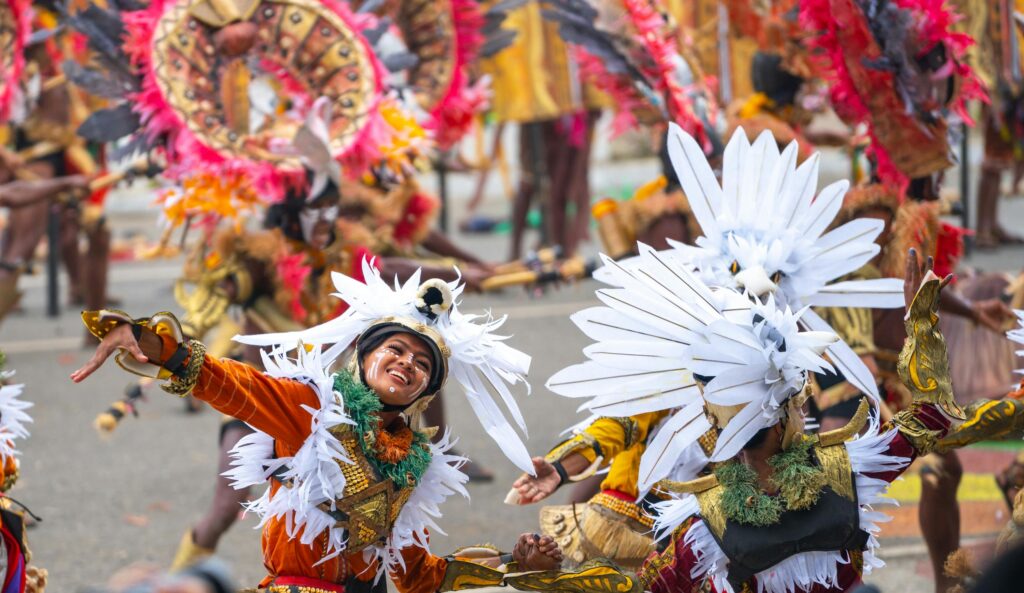
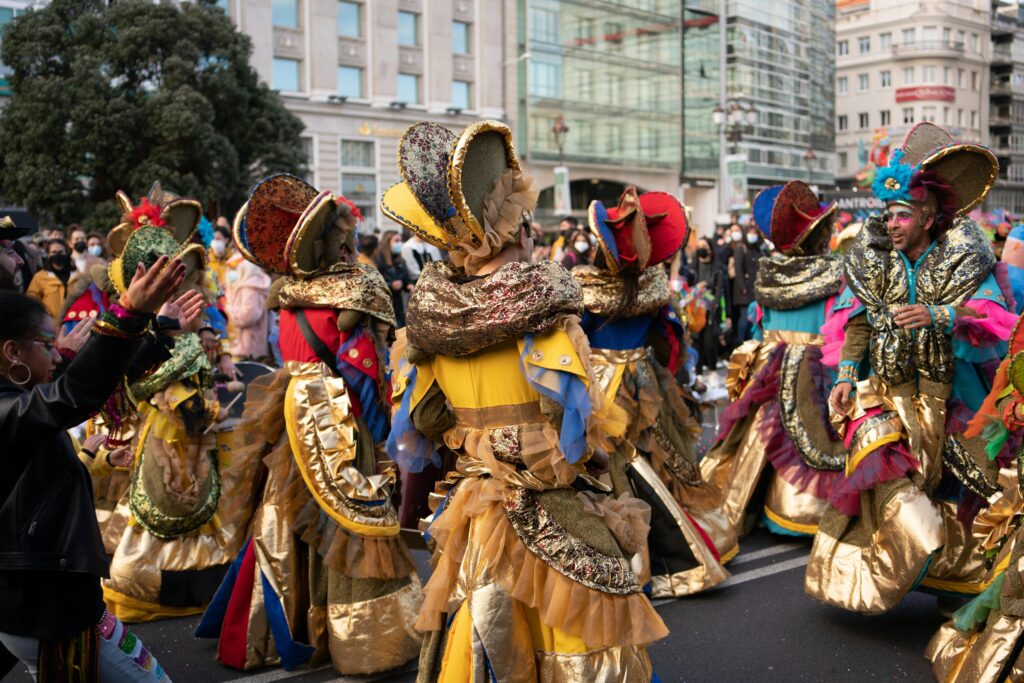
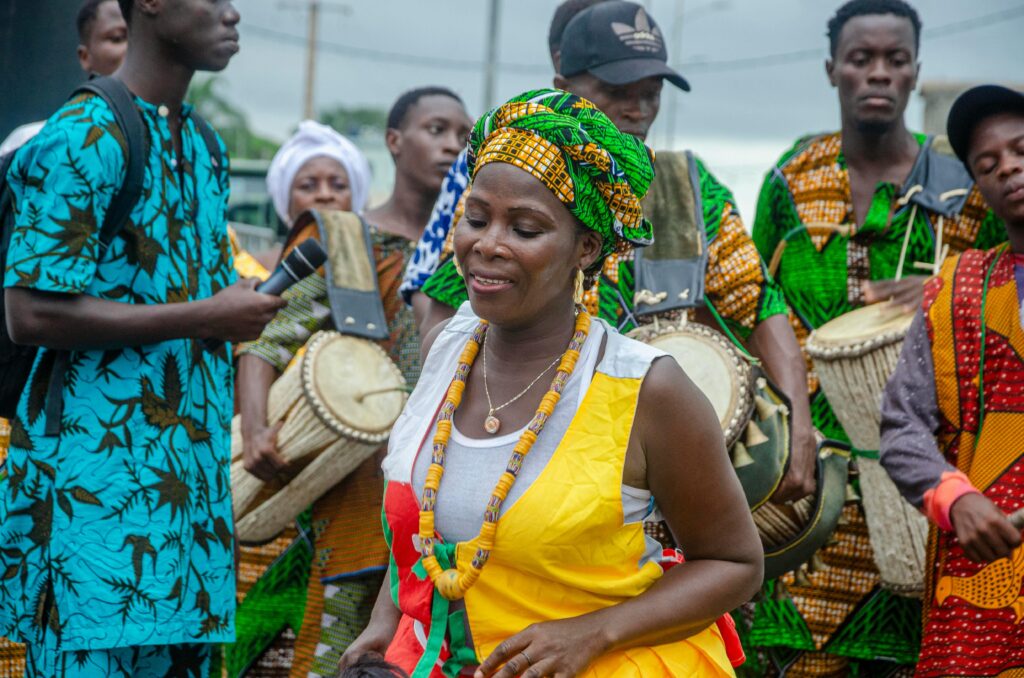
Fashion is a significant and enthusiastically observed element of Jazz ‘N Creole culture. The festival has a tradition of stylish, culturally expressive dress – attendees treat the day as an occasion to dress with flair and intention. Afrocentric prints, Creole-influenced designs, and bold, colorful choices are common. As an international visitor, this is an invitation rather than a requirement, but dressing up and engaging with the aesthetic dimension of the day adds considerably to the experience.
Cultural Atmosphere
The Jazz ‘N Creole atmosphere is one of the most frequently cited highlights by both returning attendees and first-time visitors. The crowd is a mix of local families, music lovers from across the Caribbean, and international travelers who have sought the festival out specifically. The mood is warm, inclusive, and communal – people spread blankets on the grass, share food, greet strangers, and move easily between the music, the food vendors, and the historic ruins that form the backdrop to the day. There is no aggression, no overwhelming commercial pressure, and no sense that the festival is designed primarily to extract money. It feels, above all, like a genuine community celebration.
How to Get to Dominica for Jazz ‘N Creole
Dominica is accessible by both air and sea, and the island is better connected to international departure points than many travelers realize.
Flying to Dominica
All air travelers arrive at Douglas-Charles Airport (IATA: DOM), located on the island’s north-east coast. The airport is approximately 45 minutes by road from Portsmouth and the Cabrits National Park festival site. The road journey crosses the island’s mountainous interior and offers extraordinary scenery – it is, for many visitors, their first introduction to the dramatic natural landscape that has earned Dominica the nickname ‘The Nature Isle of the Caribbean.’
Flight Connections
- From the United States: American Airlines operates direct flights from Miami. United Airlines serves Dominica from Newark. Connecting options via San Juan (Puerto Rico), Antigua, or other regional hubs are also available through Caribbean Airlines, InterCaribbean Airways, and Silver Airways (which codeshares with American Airlines, Delta, and JetBlue).
- From the United Kingdom & Europe: No direct transatlantic services currently operate to Dominica. The most common routing is via Antigua (served directly from London Gatwick and Heathrow by British Airways and Virgin Atlantic), with onward connection by regional carrier. Barbados is also a frequently used Caribbean hub for European travelers connecting to Dominica.
- From elsewhere in the Caribbean: Regional connections operate through InterCaribbean Airways, WINAIR, LIAT 2020, and Caribbean Airlines from hubs including Antigua, Barbados, Guadeloupe, Martinique, Puerto Rico, St. Maarten, St. Lucia, and the US and British Virgin Islands.
Ferry Connections
Dominica is also accessible by sea. L’Express des Iles, the regional high-speed ferry service, connects Dominica with Guadeloupe, Martinique, and St. Lucia. For travelers already in the French Caribbean islands or St. Lucia, the ferry is often the most convenient and scenic way to arrive. Journey times vary depending on the route.
When to Book
Jazz ‘N Creole draws visitors from across the Caribbean and increasingly from North America and Europe. While the festival itself is a single day, many visitors extend their trip to explore the island – meaning accommodation in and around Portsmouth books up well in advance of May 3. Book flights and accommodation as early as possible. Aim for at least two to three months before the festival date.
Where to Stay During Jazz ‘N Creole
Dominica offers accommodation across a range of styles, from eco-lodges and guesthouses to boutique hotels and nature retreats. The island is not a mass-tourism destination – there are no large all-inclusive resorts – which means the accommodation options tend to be smaller, more personal, and often set within extraordinary natural surroundings.
Near Portsmouth – Best for Festival Convenience
Staying in or near Portsmouth is the most practical option for festival attendees. The town is the gateway to Cabrits National Park and Fort Shirley, and several guesthouses and small hotels in the area offer comfortable accommodation at reasonable prices. Portsmouth has a lively waterfront, a good selection of local restaurants, and the kind of casual, welcoming atmosphere that makes Dominica so appealing to independent travelers.
Eco-Lodges & Nature Retreats
Dominica is famous for its eco-tourism infrastructure, and the island has a number of beautifully positioned eco-lodges in the forest, on the coast, and near rivers and waterfalls. These properties offer an immersive experience of the island’s extraordinary natural environment and are particularly well-suited to visitors who plan to extend their stay and explore beyond the festival. Book well in advance – the best eco-lodges have limited capacity and fill quickly during festival season.
Booking Tips
- Book accommodation as soon as you confirm your travel plans. May is increasingly busy in Dominica as Jazz ‘N Creole grows in international profile.
- Consider staying for at least three to five nights to allow time to explore the island properly alongside the festival.
- Check dominicafestivals.com/jazz-n-creole-accommodations for a curated list of recommended properties vetted by the festival organizers.
Getting Around During Your Visit
Dominica is a small island – approximately 29 miles long and 16 miles wide – but its mountainous terrain means that road travel takes longer than distances suggest. Getting around is straightforward with the right approach:
- Taxis: The most practical option for festival day travel between Portsmouth, the Cabrits, and your accommodation. Agree on the fare before departure – taxi rates are not metered. Your hotel can arrange reliable drivers and advise on standard rates.
- Car Rental: Strongly recommended for visitors who want to explore the island independently. Dominica’s roads wind through some of the most spectacular mountain and rainforest scenery in the Caribbean. A rental car opens up the island’s waterfalls, hot springs, rivers, and villages in a way that public transport cannot. Note: visitors need a Dominica driving permit, easily obtained from the rental company.
- Local Minibuses: Public minibuses run between Portsmouth and other areas of the island and are inexpensive. Less convenient for late-night travel or getting directly to the Cabrits site.
- Walking: Within Portsmouth town itself, walking is easy and enjoyable. The walk from the Portsmouth waterfront to the Cabrits National Park entrance is manageable for most visitors and allows you to soak up the character of the town.
What Else to Do in Dominica Beyond the Festival
Dominica is not merely a festival destination – it is one of the most naturally spectacular islands in the entire Caribbean, and extending your trip to explore its extraordinary landscape is one of the best decisions you will make. Here is what not to miss:
Boiling Lake
One of the largest boiling lakes in the world, Boiling Lake sits within the Valley of Desolation – a geothermally active landscape of steaming fumaroles and mineral-stained rock in the island’s interior. The hike to Boiling Lake and back takes approximately six hours and is one of the most challenging and rewarding walks in the Caribbean. Experienced guides are required and strongly recommended. This is not a casual nature walk – it is a serious trek through extraordinary terrain that rewards effort with scenery found nowhere else.
Trafalgar Falls
Located near the capital Roseau, Trafalgar Falls is one of Dominica’s most accessible and impressive natural attractions – a pair of twin waterfalls cascading into a pool surrounded by tropical vegetation. The short walk from the visitor center offers beautiful views even before you reach the falls themselves.
Champagne Reef
Named for the volcanic bubbles that rise from the seabed and drift upward like champagne through the water, Champagne Reef near the village of Pointe Michel is one of the Caribbean’s most unusual snorkeling experiences. The warm volcanic water, the bubble effect & the marine life that thrives in the geothermally warmed shallows make this a genuinely unforgettable underwater encounter.
Indian River
Near Portsmouth, the Indian River is a narrow waterway lined with enormous bloodwood trees whose roots arch dramatically into the water. Rowing or paddling up the river in a boat guided by a local boatman – a tradition on Dominica for generations – is a deeply peaceful and atmospheric experience. The river was famously used as a location in the Pirates of the Caribbean film series.
Scotts Head & Soufriere Bay
At the island’s southern tip, the village of Scotts Head sits on a narrow peninsula between the Atlantic Ocean and the Caribbean Sea. The views from the headland are extraordinary, and Soufriere Bay – a UNESCO-listed marine reserve – offers some of the best diving in the Caribbean, with dramatic underwater volcanic formations, rich coral gardens, and exceptional visibility.
Dominica’s Food Scene
Beyond the festival grounds, Dominica’s food scene rewards curious and adventurous eaters. Local restaurants in Portsmouth, Roseau, and across the island serve genuine Dominican cuisine rooted in the island’s Creole heritage. Look for callaloo, provisions, fresh fish from the Atlantic coast, local cocoa products (Dominica produces exceptional cacao), and the island’s signature rum punch. The Roseau market on Saturday mornings is a highlight for those staying near the capital – a vivid, fragrant gathering of local farmers and producers that offers the most direct experience of the island’s agricultural abundance.
Travel Tips for First-Time Visitors
- Book tickets early. The 2026 festival marks the 15th edition and is expected to attract a larger-than-usual international crowd. Early bird tickets are already on sale and will sell out.
- Arrive the day before or earlier. The festival takes place on Sunday, May 3. Plan to arrive in Dominica no later than Saturday, May 2, to avoid any travel disruption affecting your festival day. Better yet, arrive several days early and use the time to explore the island.
- Dress for the occasion. The Afrocentric theme invites creative, culturally expressive dress. The festival has a tradition of stylish attendance – this is an occasion to make an effort. Comfortable footwear is essential as the Fort Shirley grounds involve some uneven terrain.
- Bring cash for vendors. Food and drink vendors at the festival typically prefer cash. Carry Eastern Caribbean Dollars or US Dollars in small denominations.
- Stay hydrated. The festival runs from early afternoon into the evening, and May in the Caribbean is warm. Drink water consistently throughout the day, particularly in the early afternoon hours before the temperature drops.
- Bring insect repellent. Fort Shirley is within the Cabrits National Park – a tropical environment. A small bottle of repellent in your bag is worthwhile, particularly as the sun goes down.
- Plan your transport home in advance. Arrange your return taxi or transport from the festival before you arrive. As the evening ends, demand for taxis increases and pre-arranged drivers are significantly more reliable than trying to find transport on the night.
- Explore beyond Portsmouth. If your schedule allows, do not limit your Dominica experience to the festival day alone. The island’s waterfalls, rainforests, rivers, and diving sites are extraordinary. A few extra days on either side of May 3 will make this a trip you remember for years.
- Follow official channels for updates. Check dominicafestivals.com and the official Dominica Festivals social media pages regularly in the weeks before the festival for lineup announcements, fringe event schedules, and any logistical updates.
Frequently Asked Questions
The festival takes place on Sunday, May 3, 2026, beginning at 2:00 PM. The event runs from afternoon into the evening.
The main festival takes place at Fort Shirley within the Cabrits National Park, near the town of Portsmouth on Dominica’s north-west coast. Fringe events in the lead-up to the main day take place at various locations across the island.
Yes. The Jazz ‘N Creole Festival is one of the most family-friendly major music events in the Caribbean. The afternoon start time, relaxed outdoor setting, and welcoming community atmosphere make it genuinely suitable for all ages. Children aged 12 and under typically receive free entry.
Confirmed headliners for the 2026 edition include reggae icon Tarrus Riley and legendary saxophonist Dean Fraser. The full lineup, including local Dominican artists and regional performers, will be announced progressively closer to the event on dominicafestivals.com.
Tickets are available online. Early bird, general admission, and VIP options are available. Book early – tickets for milestone editions sell out in advance.
Citizens of the United States, United Kingdom, Canada, and most European Union countries do not require a visa to enter Dominica for tourist stays. Always verify current entry requirements through the official Dominica government website or your country’s travel advisory before booking.
The official currency is the Eastern Caribbean Dollar (XCD), fixed at approximately 2.70 XCD to 1 USD. US Dollars are widely accepted. Credit cards are accepted at hotels and larger establishments but cash is recommended for vendors, taxis, and smaller purchases.
Yes. Dominica is widely considered one of the safer destinations in the Caribbean, with a strong sense of community and a tourism culture that prioritizes genuine hospitality. Standard travel precautions apply, but visitors consistently report feeling welcomed and comfortable throughout the island.
Douglas-Charles Airport is located on the island’s north-east coast, approximately 45 minutes by road from Portsmouth. Taxis are available at the airport. Pre-arranging a driver through your accommodation is recommended. The scenic drive across the mountains is a memorable part of the arrival experience.
Come and Hear the Sound of the Caribbean at Its Most Beautiful
There are music festivals across the Caribbean that are bigger, louder, and more commercially prominent than Jazz ‘N Creole. None of them offers quite this: a May afternoon at an 18th-century fort in a UNESCO-recognized island biodiversity hotspot, with jazz and Creole music drifting across the Caribbean Sea, local food filling the air with spice and warmth, fashionably dressed locals and international visitors sharing the grass beneath the ruins, and artists of the caliber of Tarrus Riley and Dean Fraser performing against a backdrop that no stage designer could ever replicate.
The 15th edition of the Dominica Jazz ‘N Creole Festival is a milestone worth celebrating, and the Afrocentric theme of 2026 gives it a purpose and emotional depth that elevate it beyond a music event into something genuinely meaningful. This is a celebration of where Caribbean music comes from, what it carries, and where it is going – expressed through sound, food, fashion, and community at one of the most beautiful natural settings in the region.
May 3, 2026. Fort Shirley. Be there.
Official Information: dominicafestivals.com
Follow: @DominicaFests on Facebook & Instagram for lineup updates and fringe event announcements.